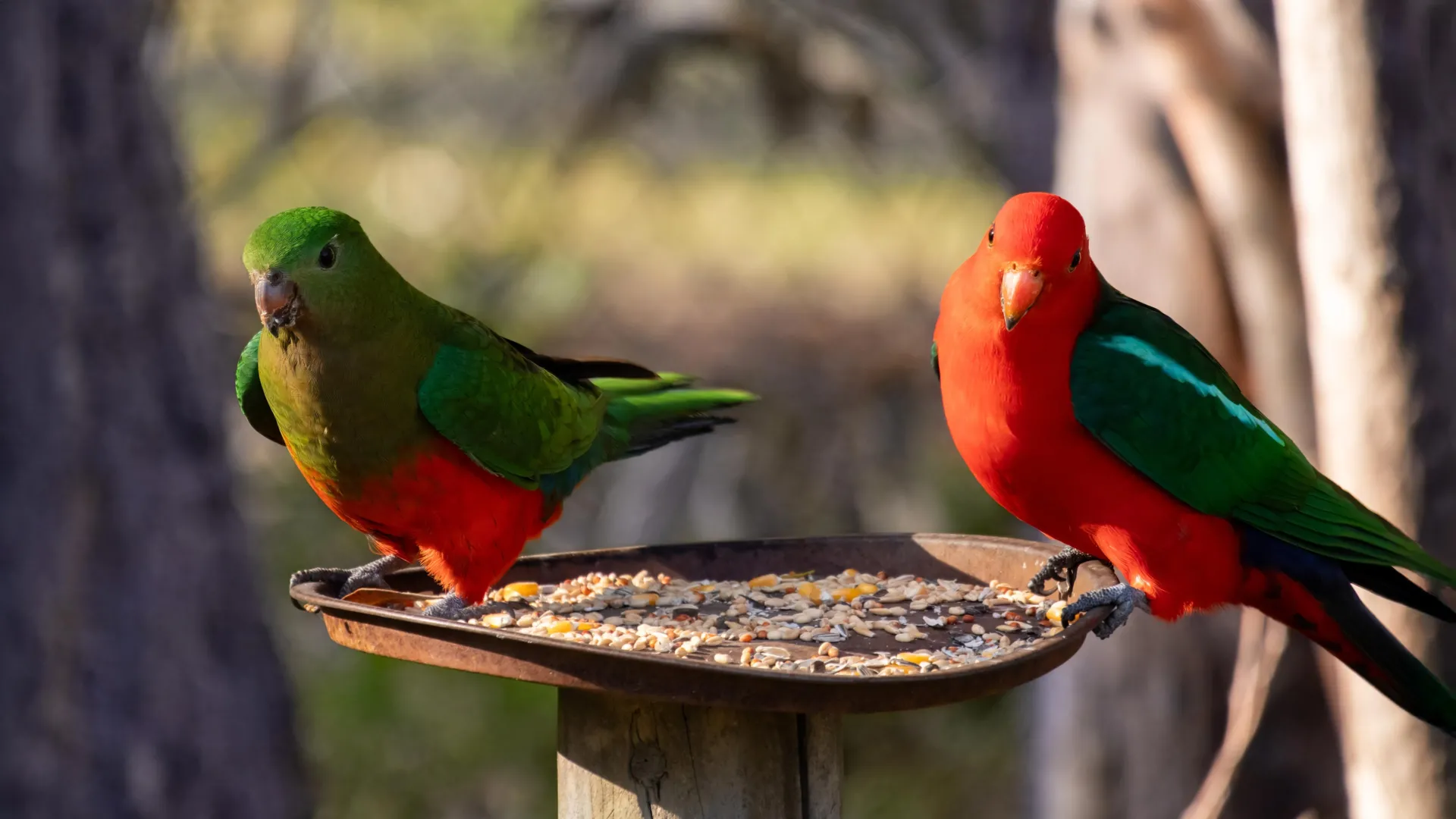
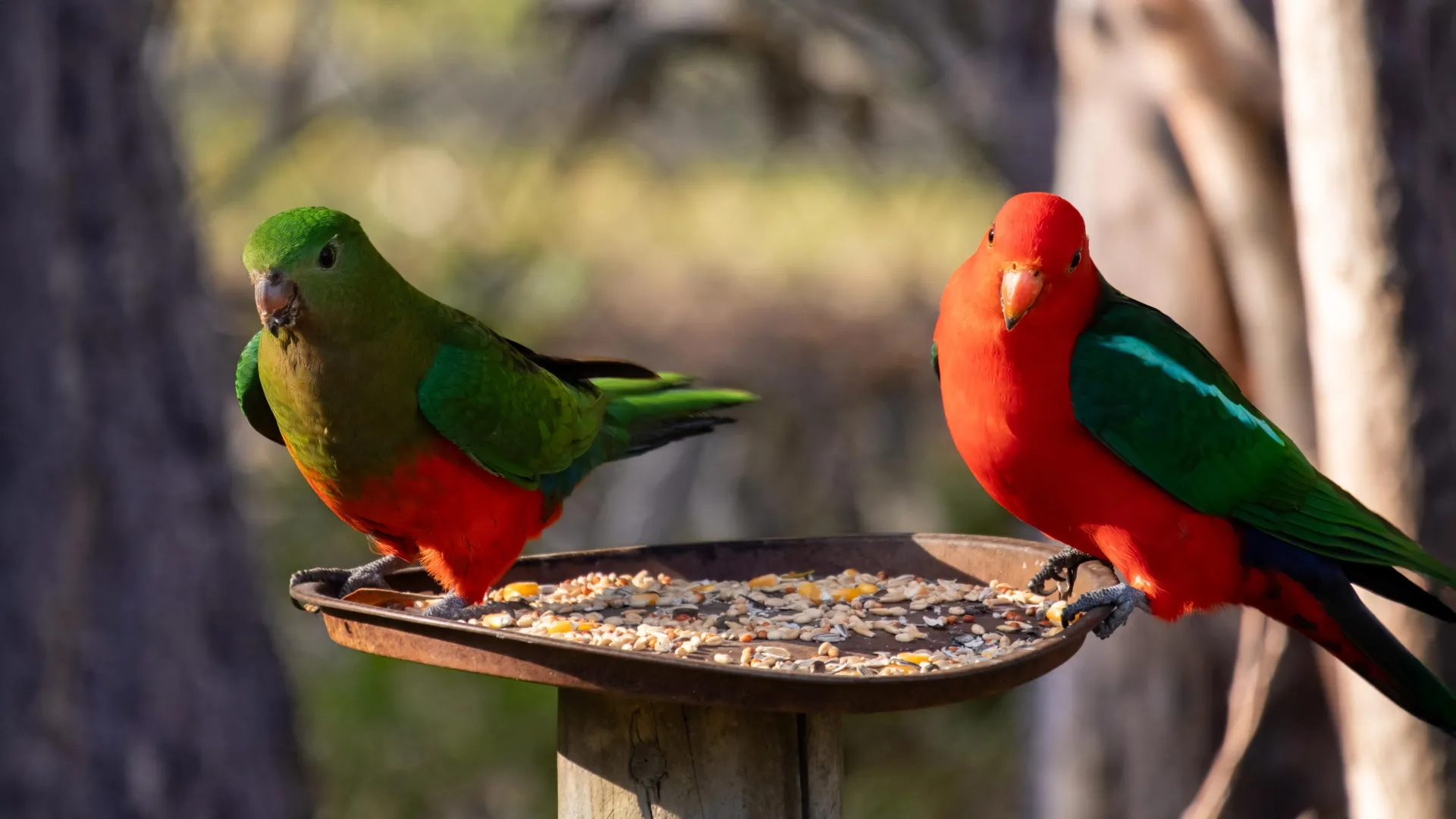
For millions of Australians, the dawn chorus is accompanied by a daily ritual: pouring seeds, scattering fruit, or leaving out meat scraps for the local avian visitors. It is an act of connection, a way to nurture the wild world that shares our suburban spaces. Research indicates that approximately half of all Australian households participate in some form of wild bird feeding, with many doing so on a daily basis.
However, as the H5N1 strain of highly pathogenic avian influenza (HPAI) makes its grim march across the continent, this benign hobby is being re-evaluated by scientists and biosecurity experts. What was once considered a charitable act of kindness is now being scrutinized as a potential "superspreader" event—a human-facilitated catalyst that could accelerate a biological catastrophe for Australia’s unique wildlife.
The Evolution of an Outbreak: A Chronology of H5N1
The global trajectory of H5N1 has been nothing short of devastating. Over the past few years, the virus has decimated wild bird and mammal populations across the globe, rewriting the ecological history of several regions.
In Australia, the threat moved from a distant concern to an urgent reality. The arrival of the virus was marked by a series of alarming mass-mortality events. Most recently, the nation witnessed the deaths of over 1,000 crested terns, a stark indicator of the virus’s virulence. Even more concerning was the discovery of an infected long-nosed fur seal, marking the first confirmed detection of the virus in a mainland Australian mammal. This transition from avian-to-mammalian transmission represents a terrifying shift in the virus’s reach, suggesting that the barrier between species is becoming increasingly porous.
The Science of the "Transmission Hotspot"
To understand why backyard bird feeders are in the crosshairs, one must understand the ecology of disease transmission. In the natural world, birds of various species rarely congregate in the high densities seen at a residential feeding station. When a homeowner provides a central source of food, they are essentially creating a synthetic "hotspot."
The Mechanics of Infection
When birds from different habitats and migratory paths are drawn to a single tray, the risk of disease transmission skyrockets. An infected individual, shedding the H5N1 virus through its saliva or droppings, can contaminate the feeding surface. When a healthy bird lands, feeds, and interacts with the remnants left by its predecessor, the chain of infection is completed.
This artificial density is a departure from nature. In a wild setting, a bird with a viral load might remain isolated, limiting the spread. In your backyard, it is the center of a social hub, exposing dozens of potential hosts in a matter of hours.
Threatening the Endangered
The danger is not distributed equally. For Australia’s most vulnerable species, such as the critically endangered orange-bellied parrot, the presence of H5N1 could be the final blow. If a feeding station serves as an intersection for threatened species and common, highly mobile birds, the likelihood of a localized outbreak jumping to an endangered population becomes a mathematical certainty rather than a remote possibility.
Beyond the Birds: Mammals and Human Interaction
While the focus is often on the avian toll, the ripple effects of H5N1 are far-reaching. Scavenger animals—possums, red foxes, and various crow species—frequently frequent backyard feeding areas. When these animals consume the carcasses of birds that have succumbed to the virus, they ingest a massive viral load, acting as secondary vectors that can transport the pathogen across wider geographical areas.
Furthermore, the human element cannot be ignored. While current data from the CDC and Australian health authorities suggests that human-to-human transmission of H5N1 is not occurring and that direct infection from birds remains rare and typically mild, the proximity required for such transmission is increasing. Wildlife carers, veterinarians, and bird enthusiasts who handle birds or clean up feeders without rigorous biosecurity protocols are currently the most at-risk demographic.
Official Responses and Biosecurity Mandates
The Australian government has treated the arrival of H5N1 with extreme caution. The Department of Agriculture, Fisheries and Forestry has emphasized the importance of surveillance. Biosecurity experts are urging the public to shift their perspective: feeding wild birds is no longer just a hobby; it is a biosecurity responsibility.
Official guidance is clear: do not touch sick or dead birds or marine mammals. The protocol for sightings is to record the location, photograph the animal from a safe distance, keep domestic pets away, and report the event immediately to the Emergency Animal Disease Hotline at 1800 675 888.
The Case for Discontinuation: Is Feeding Necessary?
For many, the hardest pill to swallow is the recommendation to stop feeding birds entirely. The sentiment is understandable—people care deeply about their local wildlife and believe they are providing a necessary lifeline, especially during harsh weather or urban development.
However, research consistently suggests that for the vast majority of Australian native birds, backyard feeding is supplementary. A study published in the Australian Journal of Ecology suggests that birds visiting feeders derive the bulk of their nutritional requirements from natural sources such as insects, nectar, and worms. The seeds and meat provided by humans are often little more than "snacks"—energy-dense but nutritionally incomplete—which can lead to dependency and, ironically, poorer health outcomes.
Strategic Precautions for the Stubborn Feeder
If the practice of feeding cannot be entirely abandoned, experts suggest a "harm reduction" approach. If you insist on maintaining a feeding station, you must transform it into a biosecurity-compliant zone.
1. The Principle of Scarcity
The most effective way to reduce transmission is to reduce the incentive for large gatherings. By offering significantly less food, you discourage birds from congregating in large, dense flocks. Much like the social distancing mandates of the COVID-19 pandemic, lower density equals lower transmission.
2. The End of the "Intimate Interaction"
Hand-feeding birds is a popular, albeit ill-advised, practice. It creates an unnecessary bridge between human mucosal membranes and avian viral shedding points. In the age of H5N1, this must stop. The risk-to-reward ratio is simply too skewed; the joy of a bird landing on your hand is not worth the potential for viral exposure.
3. Rigorous Sanitation Protocols
If you continue to use a feeder, it must be treated like a laboratory station. This means daily cleaning of all surfaces and equipment. The use of a domestic bleach solution is non-negotiable. If you are not prepared to scrub and disinfect your feeders every single day, you are actively participating in the creation of a disease vector. If the chore seems too labor-intensive, the conclusion is simple: you should not be feeding the birds.
The Ethical Dilemma: A Responsibility to the Future
As Australia faces this unprecedented biological challenge, the backyard has become a frontline. The choices made by individual citizens will play a significant role in the trajectory of the H5N1 outbreak.
While it is difficult to sever the emotional bond formed through bird feeding, the preservation of our native biodiversity requires a shift in priorities. Protecting the health of our ecosystem is a far greater act of love than providing a bowl of seed. By exercising restraint, practicing high-level hygiene, and acknowledging the risks inherent in human-wildlife proximity, Australians can help mitigate the spread of a disease that threatens the very wildlife they seek to protect.
The birds may miss their snacks, and the morning ritual may change, but in the face of an existential threat to our fauna, these sacrifices are the necessary price of a healthy, wild future.