









While many people view a flight of stairs as an architectural nuisance to be avoided as they enter their golden years, experts are increasingly pointing to the humble staircase as a vital tool for healthy aging. Far from being a hazard, the stairs in your home or office serve as an accessible, high-impact gym that can help you monitor your physical health, preserve bone density, and maintain the explosive leg power necessary for independent living.
As we age, our bodies undergo significant physiological changes. One of the most critical, yet often overlooked, shifts is the decline of muscle mass and—more importantly—muscle power. According to recent insights from experts in physical therapy and sports medicine, such as Dr. Steven Pungello of Full Stride Spine & Sport, the ability to navigate a flight of stairs efficiently is a powerful indicator of one’s functional age and overall fitness level.
The Core Facts: Why Leg Power Matters After 60
The human body naturally experiences sarcopenia, or the age-related loss of muscle mass, as we advance past our 50s and 60s. However, science suggests that power—the ability to exert force quickly—often declines much faster than raw muscle mass. This loss of power is frequently invisible in our daily lives because we tend to reduce our participation in explosive or high-intensity movements as we age.
"Power is a measurement of strength and time," explains Dr. Pungello. "Seeing how fast you can ascend a flight of stairs is a great way to ensure you possess both the necessary strength and the ability to apply it effectively."
By using stair climbing as both a diagnostic tool and a training regimen, older adults can identify physical weaknesses before they manifest as mobility issues. This practice helps maintain the strength in the calves, quadriceps, and glutes, which are essential for balance and fall prevention.

Chronology of Physical Decline vs. Maintenance
To understand the importance of this test, one must look at the trajectory of physical fitness in older adulthood:
- The 40s and 50s: This is typically the window where muscle fiber maintenance becomes critical. Many individuals begin to see a shift in metabolism and a reduction in the "fast-twitch" muscle fiber responsiveness.
- The 60s: This decade is often the "tipping point." Research indicates that without intentional resistance training or consistent movement that challenges the lower body, the risk of falls increases significantly.
- The 70s and Beyond: The focus shifts from peak performance to the preservation of independence. The ability to climb stairs safely is one of the most reliable predictors of whether an individual can continue to live independently in a multi-story home.
By incorporating regular stair-based assessments, individuals can intervene early, using the stairs to slow the loss of power and delay the onset of frailty.
Supporting Data: What the Metrics Mean
The medical community has long used gait speed and stair-climbing ability as clinical markers for cardiovascular health and orthopedic integrity.
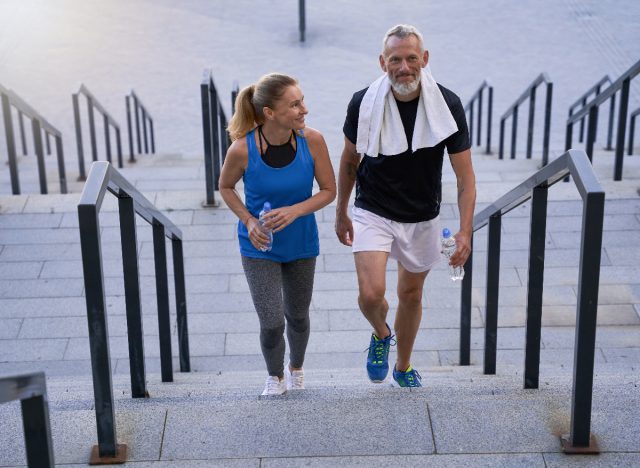
For those aged 60 and older, Dr. Pungello suggests a clear, objective benchmark: The ability to climb four flights of stairs in under one minute.
This benchmark is categorized as "elite power" for this age bracket. If you find yourself significantly trailing this time, it does not necessarily mean your health is in jeopardy, but it does signal that your neuromuscular coordination or muscular power may be lagging behind your chronological age.
The At-Home Assessment Protocol
If you do not have access to four flights of stairs, you can still derive meaningful data from your immediate environment. The goal is to track your performance over time rather than obsessing over a single static number.
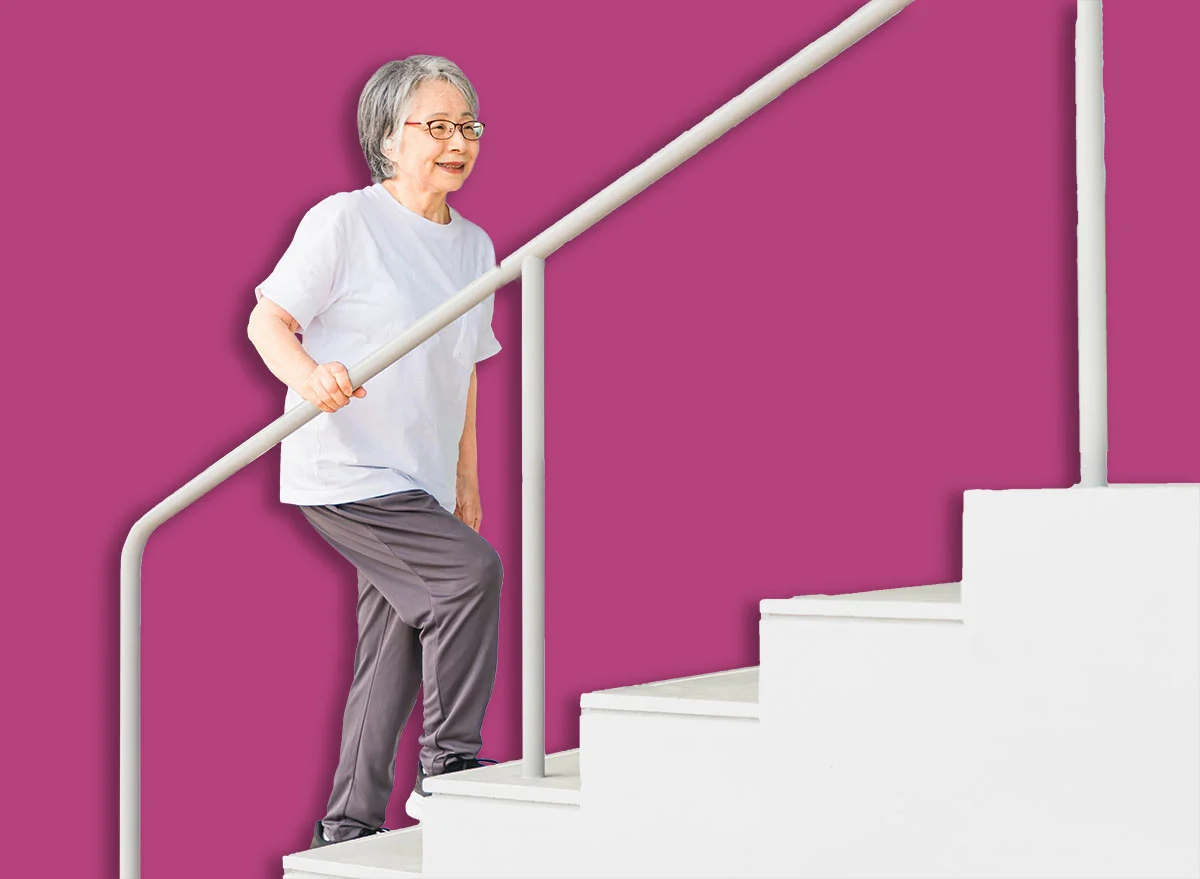
- Preparation: Find a standard set of stairs. Ensure you are wearing supportive, non-slip footwear.
- The Test: Start your timer with both feet planted firmly on the ground at the base of the staircase.
- The Ascent/Descent: Climb to the top and return to the bottom in a controlled, natural manner.
- Completion: Stop the timer when both feet have returned to the floor at the starting point.
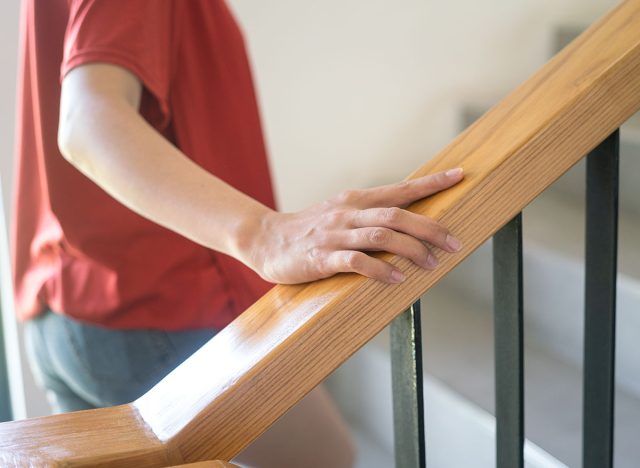
- Safety First: It is perfectly acceptable—and encouraged—to keep one hand on the railing for stability. The goal is to test power and coordination, not to risk a fall.
If your home lacks a full staircase, you can substitute this with a single step or a sturdy exercise platform. Step up and down for a continuous two-minute interval. Tracking your heart rate and perceived exertion during this two-minute window provides a secondary metric for your cardiovascular stamina.
Official Expert Perspectives on Mobility
The consensus among geriatric physical therapists is that "functional movement" is the gold standard for long-term health. Dr. Pungello emphasizes that the loss of power often goes unnoticed because of our tendency to engage in slower, more rhythmic activities like walking on flat surfaces.
"Stair climbing is an accessible way to test this, and you may be able to slow that power loss before you begin to rapidly lose muscle mass," says Pungello.
When you climb stairs, you are forcing your body to work against gravity in a way that requires more than just endurance; it requires the recruitment of fast-twitch fibers in the glutes and legs to propel your body weight upward. This recruitment is exactly what helps maintain the bone density and joint stability necessary to navigate the world safely.
Implications for Daily Living and Independence
The broader implications of this test go beyond simple fitness metrics. Maintaining the ability to navigate stairs without fatigue or fear is a major factor in "aging in place."
1. Fall Prevention
Falls are the leading cause of injury among adults 65 and older. By training the legs to handle the eccentric and concentric loads of stair climbing, you are effectively "training for life." You are teaching your body how to recover its center of gravity and how to engage your muscles rapidly should you trip or stumble.
2. Cardiovascular Health
Unlike flat-ground walking, climbing stairs engages the core and forces the cardiovascular system to work harder to oxygenate the working muscles. Regular, moderate stair climbing can improve VO2 max, which is a key indicator of aerobic capacity and heart health.
3. Psychological Confidence
The fear of falling—often called "basophobia"—can lead to a sedentary lifestyle, which only accelerates physical decline. By having a clear, measurable way to track your performance, you replace the fear of the stairs with a sense of accomplishment. Knowing that you can confidently climb a flight of stairs removes a major barrier to social engagement and travel.
Conclusion: How to Start
If you are looking to improve your "stair power," consistency is more important than intensity. Start by incorporating one or two extra trips up the stairs during your daily routine. If you find the process challenging, consult with a physical therapist to ensure your form is correct and that you are engaging the right muscle groups.

Remember, the goal is not to be a professional athlete; the goal is to remain a capable, independent individual. By embracing the staircase as a tool for health rather than an obstacle to be avoided, you are taking a definitive step toward a more active and resilient future. Use these benchmarks as a guide, monitor your progress, and take pride in every step you climb.