








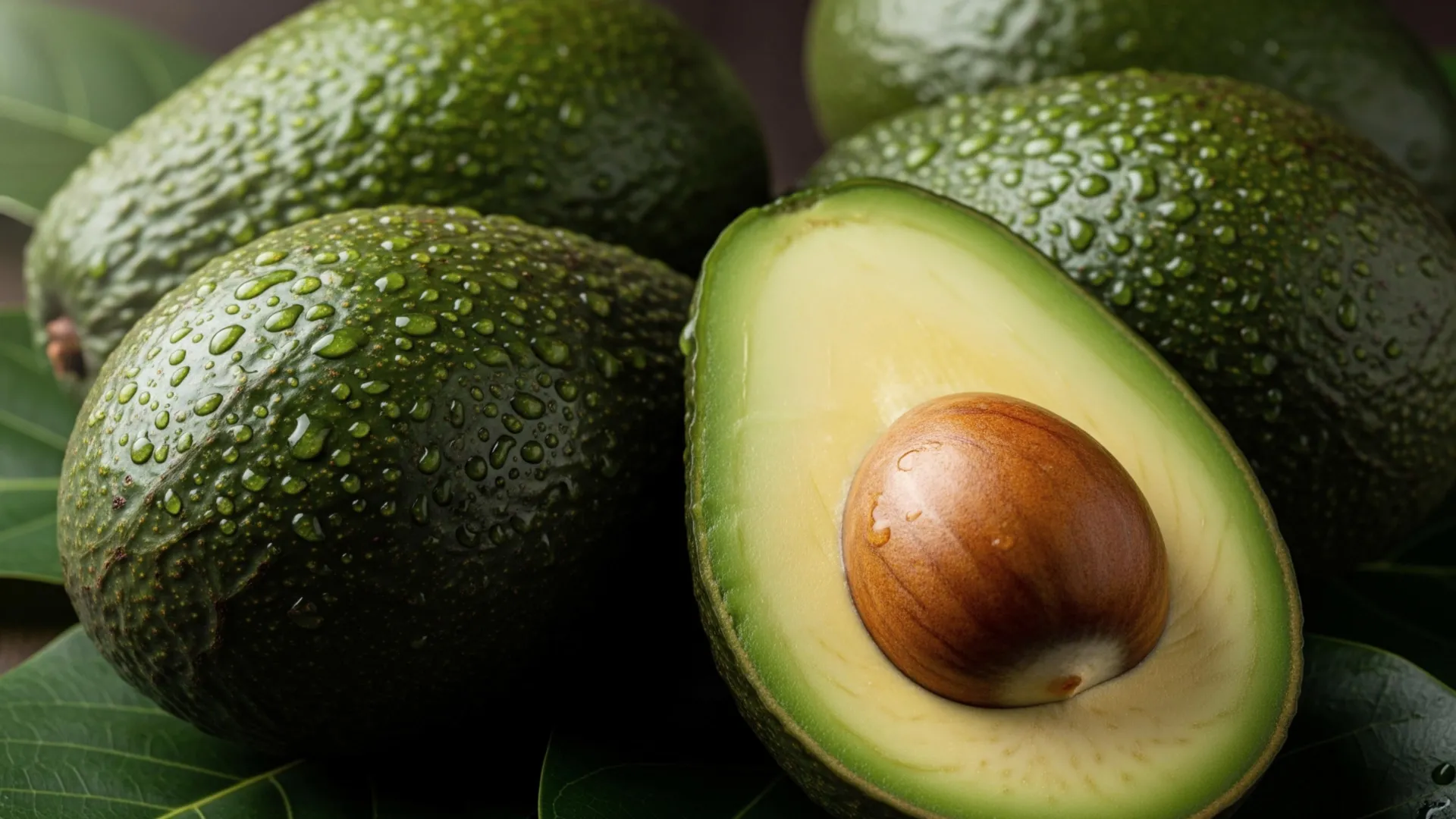
For many adults struggling with obesity, the prospect of overhauling one’s entire lifestyle—reconfiguring grocery lists, mastering new cooking techniques, and drastically altering calorie intake—can feel insurmountable. However, new research emerging from Penn State’s Department of Nutritional Sciences suggests that a significant health intervention might be far simpler than previously imagined. According to a study published in the Journal of Clinical Lipidology, the addition of just one avocado per day to a regular diet may provide a measurable, albeit modest, reduction in heart disease risk.
While the humble avocado has long been hailed as a "superfood" for its healthy fats and fiber, this study provides a more nuanced understanding of how it interacts with our blood chemistry. By focusing specifically on low-density lipoprotein (LDL) particle concentration, researchers have uncovered a mechanism that offers a promising, manageable strategy for cardiovascular health maintenance.
The Core Findings: A Closer Look at Particle Science
At the heart of this research is a distinction often overlooked in standard clinical settings: the difference between total LDL cholesterol and the actual number of LDL particles in the bloodstream.
Standard cholesterol screenings typically measure the total volume of "bad" cholesterol. However, the Penn State team, led by postdoctoral scholar Janhavi Damani, argues that this provides only part of the picture. LDL cholesterol cannot circulate through the body on its own; it requires protein "taxis" known as LDL particles to transport it.
The research indicates that the number of these particles is a critical marker of heart health. Two individuals might have identical total cholesterol levels, but if one person carries that cholesterol in a higher volume of smaller, denser particles, they face a significantly higher risk of cardiovascular disease. Smaller particles are more adept at infiltrating the artery walls, where they contribute to the buildup of plaque—a process that narrows blood vessels and increases systemic cardiovascular strain.
By analyzing data from the Habitual Diet and Avocado Trial, the researchers found that participants who consumed one avocado daily saw their LDL particle concentration drop by an average of 49 nanomoles per liter. This reduction translates to an estimated 4% decrease in overall heart disease risk. While 4% might seem incremental, researchers emphasize that it is a clinically significant step in the right direction, achieved without requiring the total abandonment of existing dietary habits.
A Chronological Journey: From Controlled Labs to Real-World Diets
The current study represents the culmination of years of rigorous nutritional research, building upon a foundation of earlier trials.
The Controlled Predecessor
Several years ago, Penn State researchers conducted a highly controlled experiment where every meal consumed by participants was dictated by the study team. In that setting, they successfully demonstrated that avocado consumption could lower both total LDL cholesterol and LDL particle levels. While these results were scientifically robust, they left a lingering question: does this effect hold up in the messy, unpredictable environment of real life?
The Habitual Diet and Avocado Trial (HAT)
To answer this, researchers launched the Habitual Diet and Avocado Trial (HAT). This six-month study involved 786 participants, all of whom were adults aged 25 or older. To qualify, male participants had to have a waist circumference greater than 40 inches, while female participants were required to have a circumference exceeding 35 inches—a metric used to identify individuals with abdominal obesity, a condition closely linked to metabolic and cardiovascular risk.
The Methodology
Participants were randomized into two groups. The first group was instructed to continue their standard dietary and physical activity routines. The second group maintained their normal habits but added exactly one avocado to their daily diet. Unlike the earlier, highly controlled trials, this study observed how the avocado acted as a "supplement" to existing lifestyles, rather than a replacement for specific foods.
The Final Assessment
At the end of the six-month period, blood samples were collected and compared against baseline measurements. The results showed a consistent improvement across the cohort, regardless of factors such as age, sex, race, ethnicity, or body mass index (BMI). This uniformity suggests that the benefits of daily avocado consumption may be broadly applicable to a diverse population of adults with obesity.
Supporting Data: Why Particle Count Matters
The study’s emphasis on LDL particle concentration highlights a common misunderstanding in preventive cardiology. To illustrate the danger of relying solely on standard cholesterol tests, Janhavi Damani provides a vivid analogy:
"Imagine two people with the same high levels of LDL cholesterol," Damani says. "Person A carries their cholesterol in fewer, larger LDL particles, and Person B carries their cholesterol in more, smaller LDL particles. Person B’s heart disease risk would be higher because their overall particle count is higher, even though a test of their LDL cholesterol would look identical."
This distinction is vital because of how the body reacts to these particles. As LDL particles accumulate in the artery walls, they trigger an inflammatory response that leads to plaque formation. Over time, this plaque makes the arteries stiff and inflexible. When the heart is placed under pressure—whether through physical exertion, stress, or temperature changes—these stiffened vessels cannot dilate properly to accommodate increased blood flow. This leads to spikes in blood pressure, which in turn can trigger major cardiac events, including heart attacks.
The data from the HAT study provides a clear argument for monitoring these specific particles as a more accurate barometer of long-term cardiovascular health, especially in populations already at risk due to abdominal obesity.
Official Responses and Expert Perspectives
The research team, which included experts from the Jean Mayer USDA Human Nutrition Research Center on Aging at Tufts University, UCLA, Loma Linda University, and the Wake Forest University School of Medicine, has been clear about the implications of these findings.
"If people want to improve the quality of their diet, making one small change might be a more feasible strategy than attempting to change their entire diet," Damani explains. "For people with obesity, including avocados in their daily diet might be a good starting place."
Kristina Petersen, associate professor of nutritional sciences and senior author of the study, notes that the real-world nature of the study is its most important feature. "This study demonstrated benefits in the real world, where people’s diets are much less predictable," Petersen states. "In the course of people’s normal lives, avocado consumption still contributes to a healthier diet."
However, the researchers are careful not to overstate the results. While the 4% reduction in risk is positive, they acknowledge it is modest when compared to the 14-29% reduction in heart disease risk typically associated with a complete, comprehensive overhaul of one’s diet. The avocado is not a "magic bullet," but rather a tool that can be used to nudge one’s metabolic profile in a healthier direction without the burnout often associated with radical dieting.
Implications: The Future of Nutritional Intervention
The findings from this study have several far-reaching implications for public health and clinical practice.
1. The Strategy of "Small Changes"
The most profound implication is the validation of the "small changes" approach. Modern obesity management often fails because it demands too much cognitive and behavioral energy from the patient. By identifying a single, nutrient-dense food that provides measurable cardiovascular benefits, clinicians may be better equipped to help patients achieve small wins, which can build momentum toward more significant lifestyle changes.
2. A New Standard for Cardiovascular Testing
The study also highlights a need for the medical community to move beyond basic cholesterol panels. As our understanding of cardiovascular disease becomes more sophisticated, incorporating particle count measurements could allow physicians to identify "hidden" risks in patients who might otherwise appear to be within a "normal" range on standard blood tests.
3. Precision Nutrition
The fact that the benefits were consistent across various demographics—age, sex, and ethnicity—is a testament to the potential of the avocado as a universal dietary tool. However, the researchers emphasize that individuals should consult with a registered dietitian or physician before making significant additions to their diet. Personalized nutrition remains the gold standard, as every individual’s metabolic needs are unique.
4. A Template for Future Research
The success of the Habitual Diet and Avocado Trial provides a template for future research into other "functional foods." By observing how specific whole foods impact markers of chronic disease in free-living populations, scientists can provide more practical, actionable advice that fits into the busy lives of modern citizens.
In conclusion, while one avocado a day cannot substitute for a comprehensive heart-healthy lifestyle, it represents a meaningful, evidence-based addition to the daily diet. For millions of adults grappling with the complex challenges of obesity, the ability to improve cardiovascular markers with a single dietary tweak offers a beacon of hope—and a delicious, manageable way to protect their hearts for the long term.
This research was supported by the Avocado Nutrition Center. Additional contributors to the research included Penny Kris-Etherton, retired Evan Pugh University Professor of Nutritional Sciences at Penn State, and a team of distinguished collaborators from across the United States.