











In a milestone moment for neuroscience, the Lasker Foundation has bestowed its 2026 Albert Lasker Basic Medical Research Award upon two titans of sleep medicine: Dr. Emmanuel Mignot of the Stanford University School of Medicine and Dr. Masashi Yanagisawa of the University of Tsukuba. Their independent, groundbreaking research into the peptide orexin has not only demystified the biological mechanics of narcolepsy but has fundamentally rewritten our understanding of how the human brain transitions between sleep and wakefulness.
This prestigious accolade, often seen as a precursor to the Nobel Prize, highlights a discovery that has transformed a once-mysterious, debilitating condition into a targetable, treatable molecular deficiency.
The Core Discovery: Identifying the "Orexin" Engine
For decades, narcolepsy—a chronic sleep disorder characterized by overwhelming daytime drowsiness and sudden "sleep attacks"—was a medical enigma. Patients often suffered from cataplexy, a sudden loss of muscle tone triggered by strong emotions, yet the underlying physiological cause remained elusive.
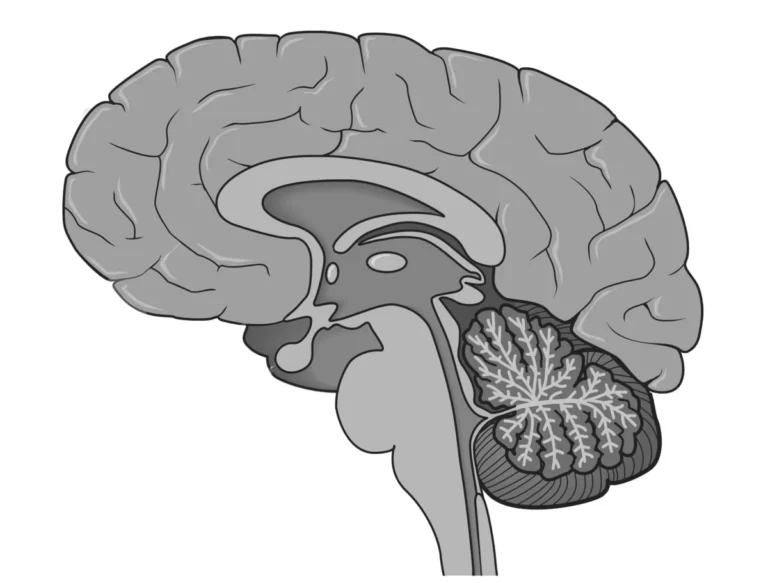
The breakthrough arrived in the late 1990s, when Mignot and Yanagisawa, working on opposite sides of the globe, identified a small group of cells in the hypothalamus that produce a peptide Yanagisawa named "orexin" (derived from the Greek word orexis, meaning appetite). They discovered that these neurons serve as the brain’s "wakefulness switch." When these cells are absent or damaged, the brain cannot maintain a stable state of alertness, leading to the chaotic sleep-wake cycles characteristic of narcolepsy.
A Chronology of Scientific Inquiry
The path to this discovery was neither linear nor singular. It was the result of two distinct scientific approaches converging on the same biological truth.
The Genetic Path: Masashi Yanagisawa’s Molecular Hunt
In the late 1990s, Dr. Masashi Yanagisawa was focused on "orphan" G-protein-coupled receptors—receptors in the brain whose purpose was unknown. By systematically searching for molecules that activated these receptors, he isolated a pair of peptides. He dubbed them "orexins."
His team’s subsequent experiments with genetically modified mice provided the "Aha!" moment. By deleting the gene responsible for orexin production, Yanagisawa observed that the mice exhibited symptoms uncannily similar to human narcolepsy, including sudden collapses into sleep-like states. It was the first time a specific neurochemical had been linked so directly to the control of vigilance.
The Clinical Path: Emmanuel Mignot’s Canine Studies
While Yanagisawa was exploring the molecular roots of the peptide, Dr. Emmanuel Mignot was taking a more clinical route at Stanford. Mignot had spent years studying inherited narcolepsy in Doberman pinschers. By mapping the canine genome, his team identified that the mutation responsible for the condition was located in the gene for an orexin receptor.
Mignot then pivoted to human subjects. By analyzing the cerebrospinal fluid of patients with narcolepsy, his team found that in nearly every case, orexin was completely undetectable. This led to his landmark conclusion: human narcolepsy is typically an autoimmune-mediated destruction of the very neurons that produce orexin.
Supporting Data: From Laboratory to Patient
The clinical significance of these findings cannot be overstated. Before the identification of orexin, narcolepsy was managed with generic stimulants and antidepressants that offered limited relief and significant side effects. Today, the landscape has shifted toward precision medicine.
The Autoimmune Connection
Mignot’s research suggested that narcolepsy often begins after an infection, which triggers an autoimmune reaction where the body mistakenly attacks the orexin-producing neurons in the hypothalamus. This realization provided a clear, testable model for the disease’s pathology.
Data on Orexin Deficiency
Studies published in journals like The Lancet confirmed that in the vast majority of patients with type 1 narcolepsy, orexin levels are near zero. This diagnostic biomarker has allowed for much faster and more accurate diagnosis of the condition, replacing the long, arduous diagnostic odyssey many patients previously faced.
Official Responses and Reflections
The 2026 Lasker Award ceremony, held in New York City, served as a platform for the winners to reflect on the long-term impact of their work.
"I am tremendously honored to receive the 2026 Lasker Award, and particularly delighted to see the prestigious recognition given to the field of sleep science, which historically has received relatively little recognition from major academic awards," said Dr. Yanagisawa during the announcement.
For Dr. Mignot, the discovery remains the highlight of his professional career. "That’s the kind of discovery you make once in your entire life," Mignot stated in a Stanford Medicine release. "It was the most exciting finding because suddenly you knew the cause of a human disease."
The Lasker Foundation, in its citation, praised both researchers for their "ingenious and persistent efforts," noting that their work provides a roadmap for future neuropharmacological breakthroughs.
Implications for Modern Medicine: The New Era of Sleep Therapy
The ripple effects of the orexin discovery have extended far beyond narcolepsy, influencing the treatment of insomnia and the broader study of circadian rhythms.
The Rise of Orexin-Based Therapeutics
The pharmaceutical industry has been quick to capitalize on the orexin system. By modulating these receptors, scientists have developed two distinct classes of drugs:
- Orexin Receptor Antagonists: These drugs block the wakefulness signal, providing a highly effective, non-sedative treatment for insomnia.
- Orexin Agonists: These drugs stimulate the receptors to restore wakefulness. A landmark moment occurred in August 2026 with the FDA approval of Takeda’s oveporexton (marketed as Orzeyful). This drug represents a paradigm shift, as it acts as a "replacement therapy" for patients who lack natural orexin.
A Broader Legacy
The success of orexin-based drugs has revitalized sleep medicine. It has encouraged researchers to look at other neurological conditions—such as Parkinson’s disease and Alzheimer’s—through the lens of sleep regulation. As sleep quality is increasingly linked to neurodegenerative health, the foundational work of Mignot and Yanagisawa has provided the tools to keep the brain’s internal clock synchronized.
The 2026 Lasker Honors: A Banner Year for Innovation
While Mignot and Yanagisawa were celebrated for their work in sleep science, the 2026 Lasker Foundation also honored other pioneers whose work has revolutionized clinical outcomes.
- Lasker-DeBakey Clinical Medical Research Award: Awarded to Kunihiro Hattori, Takehisa Kitazawa, and Tomoyuki Igawa. Their invention of a bispecific antibody for hemophilia A has transformed the lives of patients, allowing for more manageable and effective treatment regimens.
- Lasker-Bloomberg Public Service Award: Presented to Michael J. Fox. The actor was recognized for his extraordinary advocacy and the profound impact of the Michael J. Fox Foundation in accelerating research into Parkinson’s disease.
Each award winner received a $250,000 honorarium, but the true value lies in the validation of their lifelong commitment to solving some of humanity’s most persistent health challenges.
Conclusion: A Future of Waking Awareness
The journey from a mysterious brain peptide to an FDA-approved therapy is the hallmark of successful translational medicine. By identifying the molecular basis of wakefulness, Drs. Mignot and Yanagisawa have done more than just earn an award; they have given a voice to the millions of people who struggle with the "sleep-wake" divide.
As we look toward the future, the research sparked by their initial discoveries continues to expand. With new drug candidates in the pipeline and a deeper understanding of the autoimmune mechanisms behind neural loss, the scientific community is closer than ever to potentially reversing or preventing narcolepsy. The 2026 Lasker Award serves as a testament to the power of curiosity-driven research—a reminder that when we unlock the secrets of the brain, we don’t just learn how it works; we learn how to heal it.