








For decades, nutritionists and public health advocates have championed the inclusion of whole grains in the human diet, citing their fiber-rich composition as a cornerstone of cardiovascular wellness. Yet, despite the broad consensus that "whole is better than refined," a lingering question has persisted in the medical community: exactly how much should one eat to reap the most significant benefits?
A landmark meta-analysis, published September 15 in the European Heart Journal, has finally provided a data-driven answer. By synthesizing evidence from 87 randomized controlled clinical trials involving over 6,500 participants, researchers have determined that consuming four to six servings of whole grains daily—approximately 60 to 100 grams—is the "sweet spot" for optimizing cardiovascular risk factors.
Main Facts: The "Four-to-Six" Rule
The study, led by Dr. Helda Tutunchi of Tabriz University of Medical Sciences in Iran, represents the most comprehensive investigation to date into the dose-response relationship between whole grains and heart health. Unlike observational studies, which track populations over years and often suffer from confounding variables, this meta-analysis focused exclusively on clinical trials where researchers could control the diet of participants.
The primary takeaway is that the benefits of whole grains are not derived from a single "silver bullet" effect. Instead, whole grains exert a cumulative, multi-faceted influence on the body. Participants who adhered to the higher intake levels demonstrated improvements across a broad spectrum of markers, including:
- Weight Management: Lower body weight and reduced waist circumference.
- Blood Pressure: Significant reductions in systemic pressure.
- Lipid Profiles: Lower total cholesterol, reduced LDL ("bad") cholesterol, and lower triglycerides.
- Metabolic Regulation: Improved fasting plasma glucose levels and insulin sensitivity.
- Inflammation: A decrease in interleukin-6 (IL-6), a key biomarker of systemic inflammation.
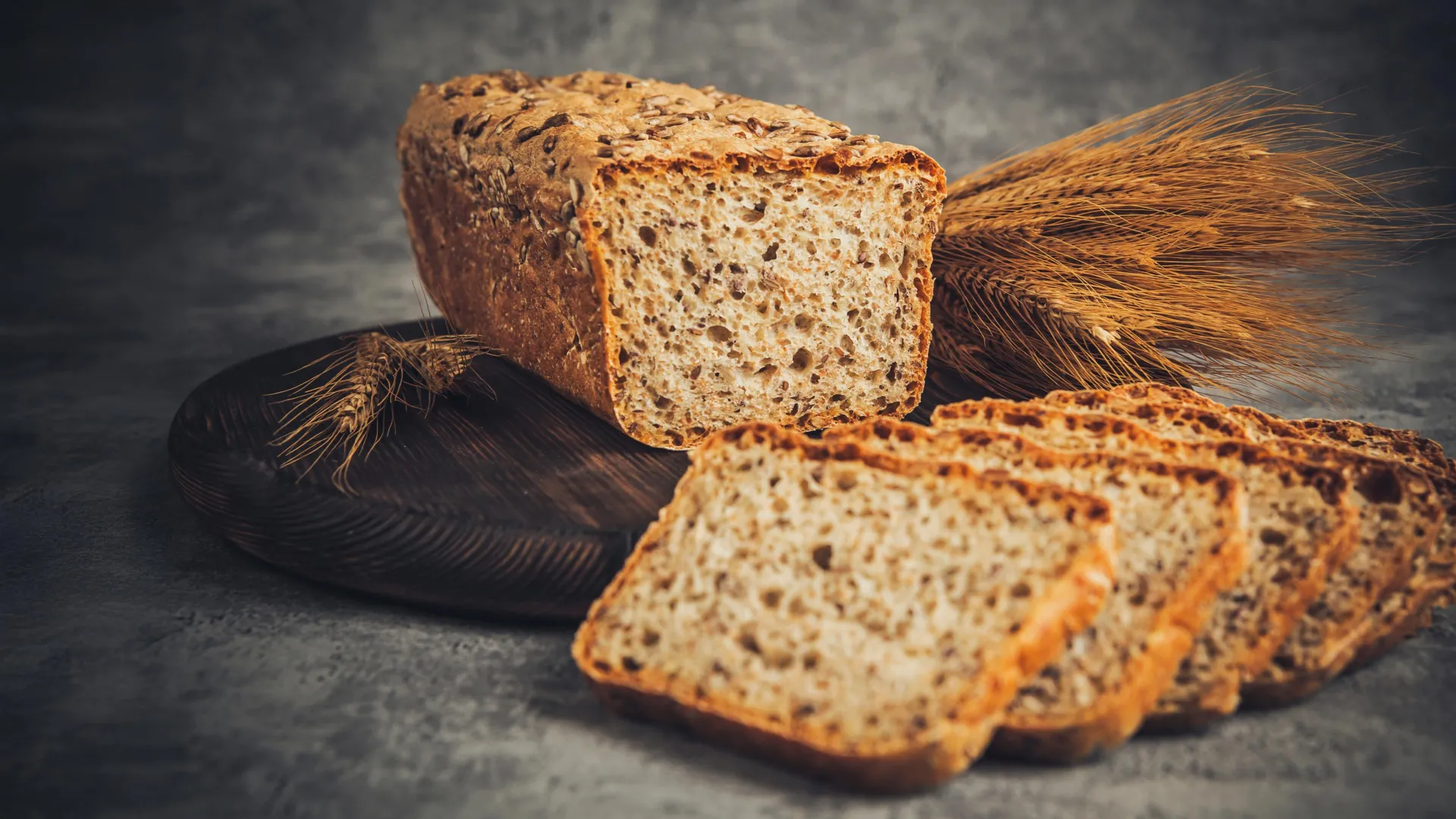
While initial benefits were observed at lower intakes of 30 to 40 grams, the most robust and consistent improvements emerged at the 60 to 100-gram threshold. This equates to roughly four to six servings per day, which might look like a bowl of steel-cut oatmeal for breakfast, a turkey sandwich on sprouted whole-grain bread for lunch, and a side of brown rice or quinoa with dinner.
Chronology: A Half-Century of Dietary Evolution
The scientific journey to this conclusion has been long and nuanced. Over fifty years ago, the British surgeon Sir Denis Burkitt proposed the "fiber hypothesis," suggesting that the "Western" epidemic of chronic diseases was largely fueled by the industrial refining of staple carbohydrates. By stripping away the bran and germ—the most nutrient-dense portions of the grain—modern food processing removed the essential fiber and phytonutrients necessary for proper digestion and metabolic regulation.
For decades, this theory was supported by population-level observations. However, clinical trials remained inconsistent. Some studies showed significant benefits, while others showed minimal change, leaving doctors and patients without a specific "prescription" for intake.
The timeline of this research has been characterized by:
- The Early Era (1970s-1990s): Broad observations linking low fiber intake to increased risk of heart disease and colon cancer.
- The Clinical Trial Surge (2000s-2020): An explosion of randomized trials testing specific interventions, ranging from high-fiber supplements to whole-grain bread swaps.
- The Synthesis (2023): Dr. Tutunchi’s team recognized that individual trials were often too small or too short to detect subtle but important changes. By performing a rigorous systematic review and meta-analysis of 87 trials, they successfully isolated the "dose-response" effect, finally quantifying what was previously a vague recommendation.
Supporting Data: Why "Whole" Matters
To understand why the results were so consistent, one must look at the structural difference between a whole grain and a refined grain. A whole grain contains the entire kernel: the bran (the fiber-rich outer layer), the germ (the nutrient-packed core containing healthy fats and vitamins), and the endosperm (the starchy energy reserve).
Refining grains removes the bran and germ, leaving only the endosperm. This results in a product that digests rapidly, causing sharp spikes in blood glucose and insulin—a physiological stressor that, over time, contributes to weight gain, inflammation, and heart disease.
The data from the 87 trials analyzed in the European Heart Journal confirms that when individuals replace refined products with minimally processed whole grains, the body’s metabolic response stabilizes. The meta-analysis found "high-certainty evidence" for improvements in waist circumference and total cholesterol, and "moderate-certainty evidence" for blood pressure and insulin resistance. The consistent decrease in interleukin-6 is particularly notable, as chronic, low-grade inflammation is now recognized as a primary driver of atherosclerosis (the hardening of the arteries).
Official Responses and Clinical Perspectives
The academic community has reacted with cautious optimism. In an accompanying editorial, Dr. Cecilie Kyrø and her colleagues from the Danish Cancer Institute underscored the importance of this research for clinical practice.
"For clinicians, the message… is reassuringly simple," the editorial notes. "Encouraging patients to replace refined grain foods with minimally processed whole grains is likely to yield modest but meaningful improvements."
Dr. Kyrø emphasized that the evidence is strong enough to push against current guidelines, which in some nations (such as the U.S.) suggest a minimum of two to four servings daily. The data suggests that for maximal cardiovascular protection, the target should be pushed toward the higher end of that range—the "four-to-six" mark identified by the study.
However, the researchers themselves were careful to manage expectations. Dr. Tutunchi noted, "The included trials did not assess cardiovascular events directly, such as actual heart attacks or strokes." Because the trials were relatively short—averaging eight weeks—the medical community still needs long-term observational data to confirm that these biomarker improvements translate into a lower incidence of life-threatening events.
Implications for Public Policy and Daily Living
The transition from theory to practice presents a significant policy challenge. As the editorial by Dr. Kyrø highlights, simply adding "whole grain" labels to products is not enough. The market is currently flooded with ultra-processed foods that contain a small fraction of whole grains masked by high levels of sugar, sodium, and preservatives.
Practical Steps for Consumers
- Look for "Whole" as the First Ingredient: When shopping, scan the ingredient list. The first item should be "whole wheat," "oats," or "brown rice." If the label says "enriched wheat flour," it is a refined grain.
- Prioritize "Minimally Processed": Opt for intact grains like quinoa, barley, farro, and steel-cut oats rather than highly processed cereals or crackers that claim to be "made with whole grains."
- The "Swap" Strategy: The goal is to replace, not supplement. Adding six servings of grains to an already high-calorie diet could lead to weight gain. Instead, swap out the white bread, white pasta, and white rice in your current diet for their whole-grain counterparts.
- Gradual Increase: If you are currently consuming very little fiber, increase your intake gradually to allow your digestive system to adjust, and ensure adequate water intake.
The Policy Challenge
For policymakers, the implication is clear: the focus must shift toward making healthy, minimally processed staples more accessible and affordable. In many "food deserts" or low-income areas, refined grains are cheaper and have a longer shelf life than fresh, whole-grain alternatives.
The researchers conclude that while current dietary guidelines are a step in the right direction, they may be too conservative. By aiming for higher intake levels, public health strategies could potentially mitigate the risk of cardiometabolic disease on a population scale.
As we move forward, the "four-to-six" servings benchmark provides a tangible, achievable target for individuals looking to take control of their heart health. It is a reminder that the most effective interventions are often not found in a pharmacy, but in the pantry—provided we choose the right grains to fill our plates.