In a significant move toward digitizing and standardizing sleep-disordered breathing treatment, AIOMEGA has officially unveiled its new clinical guidance system, a sophisticated, dentist-driven ecosystem designed to streamline the evaluation and management of custom airway therapies. By integrating the AIO-Rx prescription platform with the SMART-Rx assessment framework, the company aims to bridge the gap between complex craniofacial biomechanics and actionable clinical outcomes for both pediatric and adult populations.
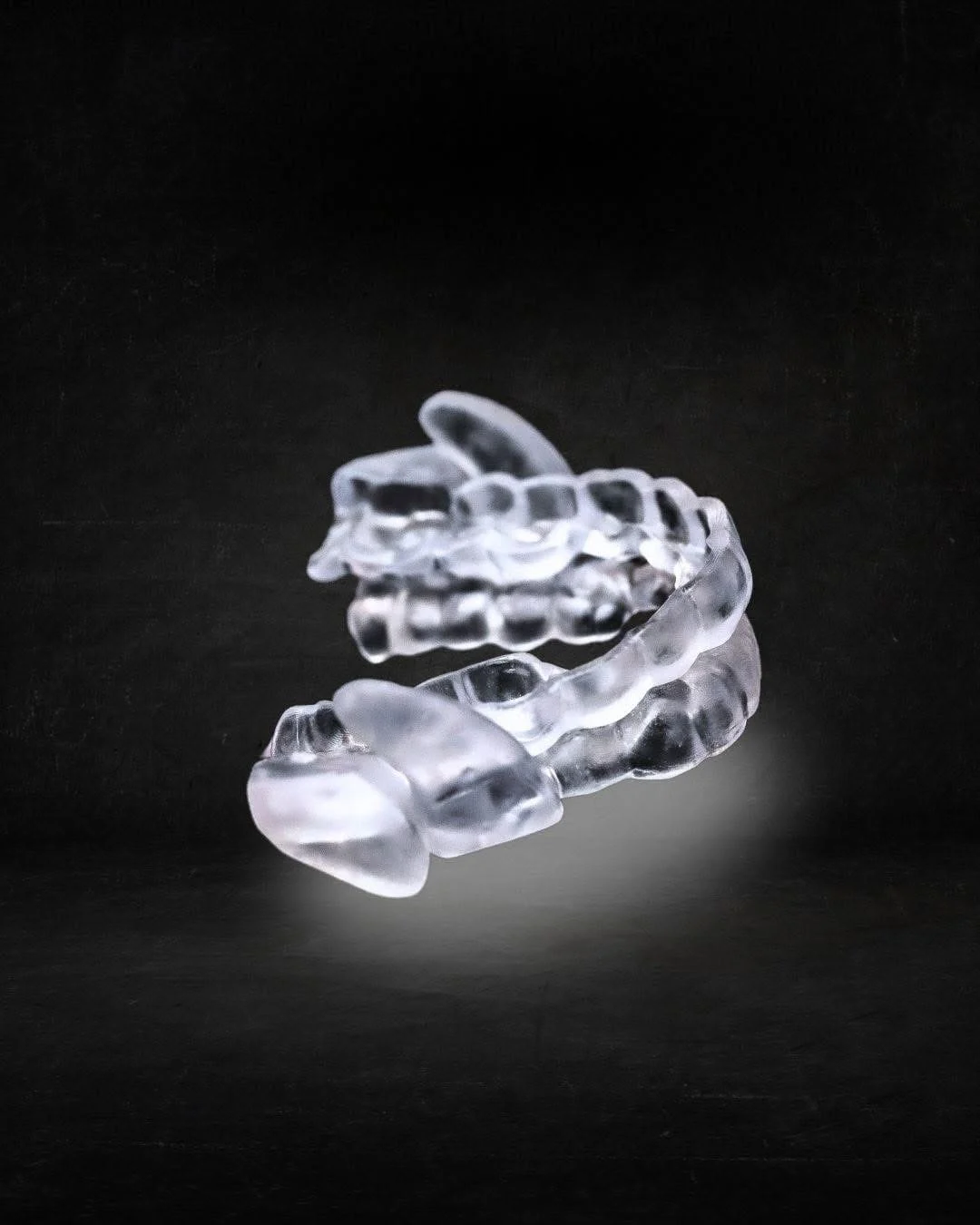
The platform is designed to function as an extension of the clinician’s expertise, offering a structured, data-driven pathway for prescribing mandibular repositioning devices (MRDs). By leveraging the company’s existing infrastructure—including the AIO Breathe device and the dedicated AIOMEGA mobile application—the system provides a cohesive, end-to-end digital workflow that promises to enhance precision in oral appliance therapy (OAT).
The Genesis of a Digital Workflow: A Chronological Overview
The development of the AIOMEGA ecosystem is the culmination of years of clinical research and engineering. Founded by Dr. Raghavendra V. Ghuge, a veteran sleep physician with over two decades of experience in both adult and pediatric sleep medicine, the company was born out of a perceived need for greater technical rigor in the prescription of oral appliances.
- Early Development (2018-2021): Dr. Ghuge began identifying the disconnect between subjective manual impressions and the precise engineering required for optimal airway management. Initial research focused on the biomechanical requirements of the pediatric airway, where craniofacial growth remains a variable factor.
- Technological Integration (2022-2024): The development of the AIO Breathe device and the accompanying mobile app allowed for the gathering of longitudinal patient data. This period saw the refinement of the digital modeling process, ensuring that clinical prescriptions could be seamlessly translated into high-precision, 3D-fabricated devices.
- The Launch of SMART-Rx (2025): The introduction of the SMART-Rx assessment framework marked a turning point. By creating a standardized language for clinicians to interpret airway-related findings, AIOMEGA successfully moved the industry toward a "prescriptive-first" model rather than a trial-and-error approach.
- Full System Rollout (Late 2025/2026): The current release of the unified AIO-Rx platform integrates these components into a single interface, enabling practitioners to manage the entire life cycle of an oral appliance—from initial assessment to ongoing titration—within a unified digital environment.
Decoding the Mechanics: SMART-Rx and AIO-Rx
The system operates on two distinct but interconnected tiers: the analytical assessment (SMART-Rx) and the executive prescription (AIO-Rx).
The SMART-Rx Framework: Standardizing Evaluation
At the heart of the system is the SMART-Rx framework. It acts as an analytical engine, providing a structured framework to organize and interpret complex findings related to a patient’s airway. By utilizing the engineered biomechanics of the AIOMEGA device family, it ensures that clinicians remain focused on the most relevant physical indicators.
The framework is particularly adept at handling the nuanced differences between pediatric and adult patients. For children aged 6 to 17, the system accounts for growth-responsive variables, ensuring the device can be adjusted as the patient’s craniofacial structure develops. For adults, the framework focuses on stability and maximizing airway patency based on the specific geometry of the device.
The AIO-Rx Prescription Platform
Once the SMART-Rx assessment is complete, AIO-Rx serves as the "executioner." It converts the analytical data into a precise, prescription-ready mandibular position. This alignment is critical, as it ensures the physical device is fabricated to the exact geometric specifications required for that individual patient.
During the prescription phase, clinicians utilize the system to specify:
- Mandibular Plateau Geometry: Determining the height and angle of the plateau to ensure optimal advancement.
- Tooth-Covering Thickness: Customizing the physical volume of the device to ensure patient comfort and structural durability.
- Digital Modeling Parameters: Establishing the foundation for 3D fabrication based on clinical records, ensuring that the device manufactured in the lab matches the clinical intent perfectly.
Supporting Data and Clinical Efficacy
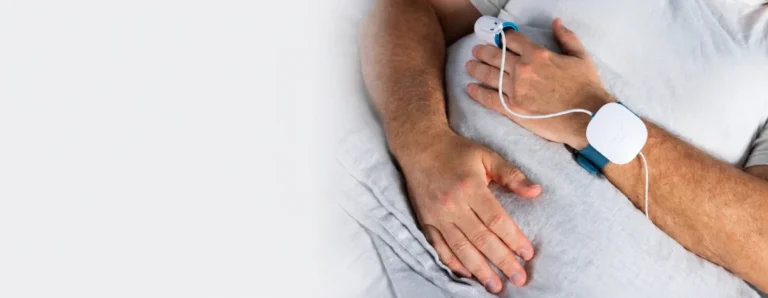
While the industry has long relied on physical molds and subjective adjustments, AIOMEGA’s shift toward a digital-first methodology relies on the consistency of the clinical output. The integration of the AIOMEGA app allows for remote monitoring, providing clinicians with a feedback loop that was previously difficult to achieve in oral appliance therapy.
By digitizing the prescription process, the system reduces the risk of "human error" during the fabrication stage. The system does not, however, replace the clinician. As the company emphasizes, the software is designed to complement professional judgment rather than automate it. The system provides the data, but the physician or dentist retains total authority over diagnostic interpretation and the final therapeutic plan. This "Clinician-in-the-Loop" architecture is central to the company’s philosophy, ensuring that the tool serves the practitioner, not the other way around.
Implications for Sleep Medicine
The introduction of this system carries significant implications for the future of sleep medicine.
1. Scaling Oral Appliance Therapy
One of the primary barriers to the widespread adoption of oral appliances has been the complexity of titration and the variability of results. By standardizing the prescription pathway, AIOMEGA makes it easier for general practitioners and sleep dentists to provide high-quality care, potentially reducing the heavy reliance on CPAP machines for patients who struggle with adherence.
2. Specialized Care for Pediatric Populations
Pediatric sleep-disordered breathing is a critical area of study. The fact that the AIOMEGA system is specifically engineered to be "growth-responsive" suggests a move toward treating the root causes of airway issues in children rather than just managing symptoms. This could lead to better long-term craniofacial health and improved quality of life for younger patients.
3. Data-Driven Clinical Practice
The shift toward digital, interconnected workflows allows for a new level of longitudinal data collection. As these systems aggregate data from thousands of patients, the insights gained could eventually lead to "best-practice" templates for specific patient profiles, further refining the efficacy of custom oral appliances.
Official Perspective: The Physician’s Vision
Dr. Raghavendra V. Ghuge, the founder of AIOMEGA, has consistently championed the intersection of clinical practice and engineering. With a dual background in medical science and business, his approach is grounded in the reality of the clinic.
"The goal of AIOMEGA is to empower the clinician," Dr. Ghuge stated in recent releases. "We recognize that every patient is unique, and every airway is different. Our system isn’t trying to diagnose the patient or predict the future; it is trying to provide the physician with the most accurate, reliable, and consistent framework possible to translate their professional judgment into an effective therapeutic device."
By combining his 20 years of clinical experience with an engineering-first mindset, Dr. Ghuge has positioned AIOMEGA as a bridge-builder between the technical world of 3D printing and precision manufacturing and the deeply human world of patient-centered care.
Looking Ahead: The Future of Airway Management
As the medical community continues to embrace digital health, the success of systems like AIOMEGA’s will likely depend on their ability to integrate with existing electronic health record (EHR) systems and the willingness of practitioners to adapt to new workflows.
The current landscape of sleep medicine is evolving rapidly. With the integration of remote monitoring, AI-driven assessments, and high-precision digital manufacturing, the "black box" of oral appliance therapy is being replaced by a transparent, traceable, and highly predictable process.
For sleep medicine professionals, the AIOMEGA system represents not just a new tool, but a potential shift in the standard of care. By removing the guesswork from the prescription process and focusing on the mechanical precision of the airway, AIOMEGA is setting a new benchmark for how we treat the millions of individuals suffering from sleep-disordered breathing.
As we look to the next decade, the ability to tailor therapy to the individual—considering growth, anatomy, and real-time feedback—will undoubtedly define the next era of respiratory health. AIOMEGA’s newly released clinical guidance system stands as a primary architect of this transition, ensuring that as technology advances, the focus remains firmly on the clinician’s role as the final arbiter of patient health.