











By Medical News Correspondent
February 5, 2026
In a significant advancement for cardiovascular and neurological health, a comprehensive new study published on February 4, 2026, in Neurology Open Access—a journal of the American Academy of Neurology—suggests that dietary choices may play a pivotal role in long-term stroke prevention for women. The study, which tracked over 100,000 participants over two decades, indicates a compelling correlation between adherence to a Mediterranean-style diet and a decreased risk of both ischemic and hemorrhagic strokes.
As stroke remains a leading cause of mortality and permanent disability worldwide, the findings offer a glimmer of hope that lifestyle modifications could serve as a powerful, non-pharmaceutical tool in public health. While researchers caution that the study identifies an association rather than a direct causative link, the statistical significance of the results underscores the profound impact that nutrition has on the human vascular system.
The Core Findings: A Pattern of Protection
The study, led by Dr. Sophia S. Wang of the City of Hope Comprehensive Cancer Center in Duarte, California, analyzed the dietary habits of 105,614 women. Researchers found that those who most strictly adhered to the Mediterranean diet experienced lower rates of stroke compared to their counterparts who followed the diet least closely.
Crucially, this reduction in risk was observed across the two primary categories of stroke. Ischemic strokes, which occur when a blood clot blocks blood flow to the brain, represent the most common form of the condition. Hemorrhagic strokes, while less common, are often more severe, occurring when a blood vessel in the brain ruptures. The study’s observation that the Mediterranean diet may protect against hemorrhagic stroke is particularly noteworthy, as clinical research on the dietary prevention of this specific, often fatal, type of stroke has historically been limited.
Defining the Mediterranean Diet: More Than a Meal Plan
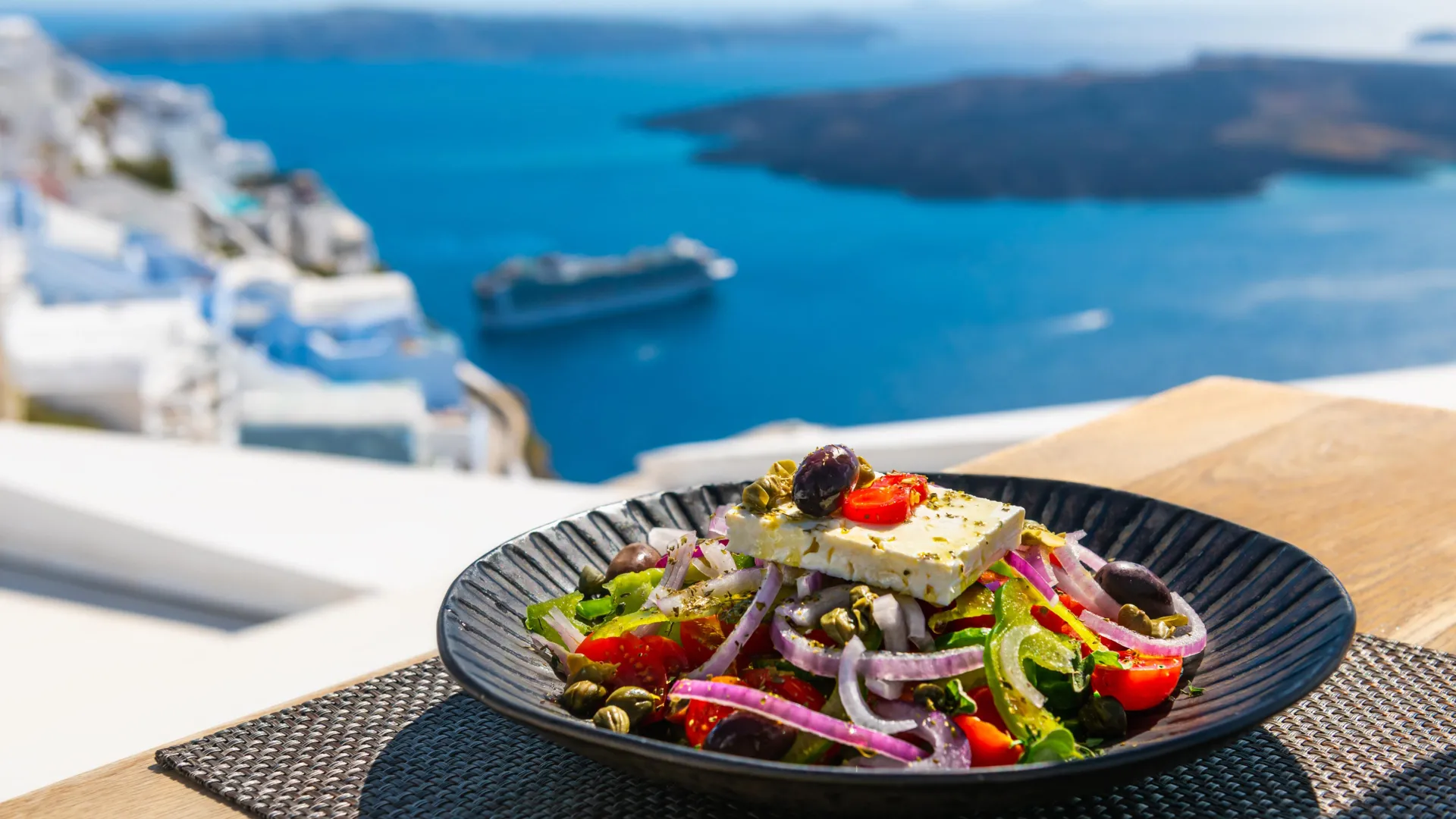
The Mediterranean diet is less of a restrictive "regimen" and more of a dietary pattern rooted in the traditional culinary habits of countries bordering the Mediterranean Sea. It is characterized by high consumption of plant-based foods, including:
- Vegetables and Fruits: A cornucopia of fiber-rich produce that provides essential antioxidants.
- Legumes: Beans, lentils, and chickpeas serving as primary protein sources.
- Healthy Fats: The cornerstone of the diet, particularly olive oil, which provides monounsaturated fats.
- Fish: A lean, heart-healthy source of protein and omega-3 fatty acids.
Conversely, the diet encourages the minimization of processed foods, refined sugars, and saturated fats. Specifically, it limits the intake of red meat, processed meats, and full-fat dairy products. This balance of nutrients is believed to reduce systemic inflammation and improve arterial health, both of which are critical factors in stroke prevention.
A Two-Decade Chronicle: The Study Methodology
The scale of this research is one of its most defining features. Spanning an average of 21 years, the study followed 105,614 women who, at the start of the observation period, had no prior history of stroke. The average age of the cohort was 53.
The Scoring System
At the inception of the study, participants completed detailed dietary questionnaires. Researchers employed a scoring system ranging from zero to nine to categorize participants based on their dietary habits:
- Scoring Criteria: Participants earned a point for consuming above-average amounts of whole grain cereals, fruits, vegetables, legumes, olive oil, and fish. Moderate alcohol consumption was also factored into the scoring.
- Deductions: Participants earned a point for consuming below-average amounts of red meat and dairy products.
- The Divide: The results showed a stark contrast in lifestyle adherence: approximately 30% of participants fell into the "highest group," scoring between six and nine points, while 13% fell into the "lowest group," scoring between zero and two.
Longitudinal Monitoring
Over the 21-year monitoring period, the research team documented 4,083 total strokes. The breakdown of these events provided the foundation for the study’s conclusions:
- Ischemic Strokes: 3,358 total cases.
- Hemorrhagic Strokes: 725 total cases.
By comparing the incidence of these events against the dietary scores of the women, researchers were able to quantify the protective potential of the Mediterranean diet.
Data Analysis and Statistical Significance
Even after adjusting for confounding variables—such as physical activity levels, smoking status, and high blood pressure, all of which are known independent risk factors for stroke—the statistical relationship remained robust.
The data revealed that women in the highest adherence group were 18% less likely to experience any form of stroke compared to those in the lowest group. When broken down by type, the protective effect was even more granular:
- Ischemic Stroke Risk: 16% lower in the high-adherence group.
- Hemorrhagic Stroke Risk: 25% lower in the high-adherence group.
These figures suggest that the Mediterranean diet may possess specific properties that mitigate the vulnerability of blood vessels in the brain, potentially through mechanisms involving blood pressure regulation and the reduction of arterial plaque buildup.
Official Responses and Expert Perspective
Dr. Sophia S. Wang, the lead author of the study, emphasized the broader implications of the research during her post-publication briefing. "Our findings support the mounting evidence that a healthy diet is critical to stroke prevention," Dr. Wang stated.
She highlighted the novelty of the findings regarding hemorrhagic strokes, noting, "We were especially interested to see that this finding applies to hemorrhagic stroke, as few large studies have looked at this type of stroke."
The medical community has reacted with cautious optimism. Public health experts suggest that if these findings are replicated in further studies, they could inform clinical dietary guidelines for women entering midlife—a demographic often overlooked in cardiovascular research. By promoting the Mediterranean diet as a preventative measure, healthcare providers could potentially lower the burden of stroke-related disability, which often carries high social and economic costs.
Implications for Public Health and Future Research
The implications of this study are far-reaching. If a diet rich in olive oil, fish, and legumes can fundamentally alter the trajectory of stroke risk, then nutrition should be treated with the same clinical seriousness as blood pressure medication or cholesterol-lowering statins.
However, the authors are careful to frame the results as an association. Because the study relies on observational data, it cannot definitively prove that the diet caused the reduction in stroke risk, only that those who followed the diet had better outcomes.
Addressing Limitations
A primary limitation acknowledged by the researchers is the reliance on self-reported dietary information. Human memory is fallible, and participants may have inadvertently misremembered or misreported their food intake over the 21-year period. Furthermore, dietary habits can fluctuate significantly over two decades, and a single questionnaire at the start of the study might not capture the long-term consistency of an individual’s lifestyle.
Despite these limitations, the massive sample size and the longevity of the study provide a powerful signal that warrants further investigation. Dr. Wang noted that "further studies are needed to confirm these findings and to help us understand the mechanisms behind them so we could identify new ways to prevent stroke." Future research will likely focus on biomarkers of the Mediterranean diet in the blood to provide a more objective measure of adherence.
Conclusion: A Proactive Path Forward
As the medical world continues to search for ways to combat the rising tide of chronic, age-related illnesses, the Mediterranean diet remains a standout candidate for preventative health. For the millions of women currently navigating midlife, the message from this 21-year study is clear: the kitchen may be one of the most effective tools for protecting the brain.
While medical science continues to explore the "why" and "how" behind these findings, the "what" is increasingly evident. By prioritizing whole foods, healthy fats, and a reduction in processed additives, individuals may be able to significantly improve their long-term health outcomes. As the study concludes, the research—funded by the National Institute of Neurological Diseases and Stroke—serves as a compelling call to action for both clinicians and the public to place nutrition at the forefront of the fight against neurological disease.