











For decades, clinicians have faced a diagnostic paradox when a patient arrives in the emergency room clutching their chest, struggling for breath, and exhibiting the telltale electrical signatures of a heart attack. While the immediate protocol for an acute coronary syndrome (ACS) event—rushing the patient to the cardiac catheterization lab—is life-saving for those with blocked arteries, it is an invasive, time-consuming, and potentially unnecessary procedure for patients suffering from a different, more elusive condition: Takotsubo syndrome.
Often colloquially known as "broken heart syndrome," Takotsubo syndrome is a transient heart condition that mimics a myocardial infarction with startling precision. Now, an international team of researchers, leveraging the power of artificial intelligence and large-scale biological data, has unveiled a breakthrough that could change the standard of emergency cardiac care: the BioTAK score.
The Clinical Challenge: Distinguishing the Mimic
Takotsubo syndrome is a condition characterized by a sudden, temporary weakening of the heart muscle, often triggered by intense emotional or physical stress. It predominantly affects postmenopausal women and accounts for approximately 2 percent of all patients who present to the hospital with symptoms of an acute heart attack. Among women specifically presenting with acute coronary syndrome, that figure rises to as much as one in ten.
The diagnostic dilemma is profound. Patients with Takotsubo present with the same agonizing chest pain, the same abnormalities on an electrocardiogram (ECG), and the same elevated levels of cardiac enzymes—proteins released into the blood when heart muscle cells are damaged—as those experiencing a classic heart attack.
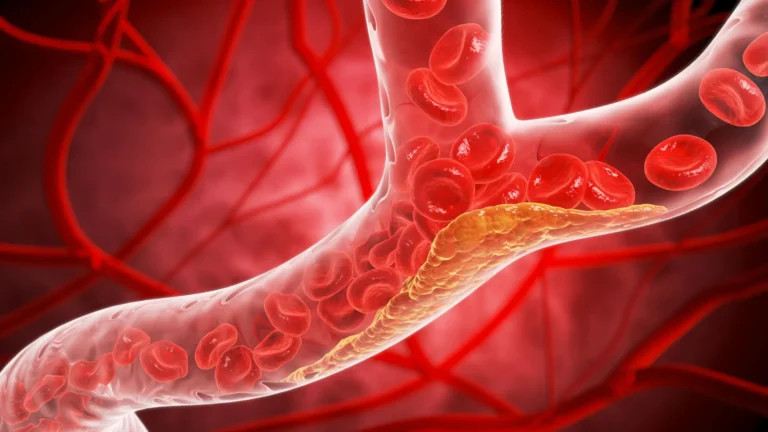
However, the underlying pathophysiology is entirely different. While a standard heart attack is caused by the rupture of an atherosclerotic plaque, leading to a blocked coronary artery, Takotsubo syndrome does not involve arterial blockages. Instead, it is a condition of the heart muscle itself, often linked to a surge of stress hormones. Because the two conditions are indistinguishable during the initial "golden hour" of emergency assessment, most patients undergo invasive cardiac catheterization—a procedure involving the threading of a catheter through blood vessels to the heart—to confirm or rule out a blockage.
Chronology of a Medical Breakthrough
The development of the BioTAK score represents the culmination of years of collaborative, data-driven research across global institutions, including the University of Zurich, the University of Greifswald, and the National Heart and Lung Institute at Imperial College London.
Phase 1: Data Synthesis and Registry Integration
The research relied on the robust infrastructure of the International Takotsubo (InterTAK) Registry, established in 2010, alongside the SPUM-ACS Registry. By synthesizing data from more than 3,600 patients, the research team created a massive, high-quality repository of clinical, imaging, and biomarker data. This period was essential for establishing a baseline that could distinguish the "fingerprint" of Takotsubo syndrome from that of conventional heart attacks.
Phase 2: AI-Driven Feature Selection
In recent years, the team employed artificial intelligence to sift through this immense dataset. The goal was to identify which specific biological markers, when combined with patient demographics like sex, provided the most predictive power. The researchers focused on blood biomarkers linked to cardiovascular stress, autonomic nervous system activity, and plaque stability.
Phase 3: Validation and Refinement
The final tool, the BioTAK score, was subjected to a rigorous independent validation group consisting of nearly 1,800 patients. The results were striking: the system correctly identified Takotsubo syndrome with approximately 90 percent accuracy before any invasive catheterization occurred.
Supporting Data: The Science Behind the Score
The brilliance of the BioTAK score lies in its departure from traditional, single-marker diagnostic thinking. Instead, it creates a composite "biological signature."
The Role of Biomarkers
The score integrates traditional clinical parameters with specific proteins that act as indicators of underlying pathology. According to the study published in the European Heart Journal, two of these markers are particularly significant because they hint at the "brain-heart axis."
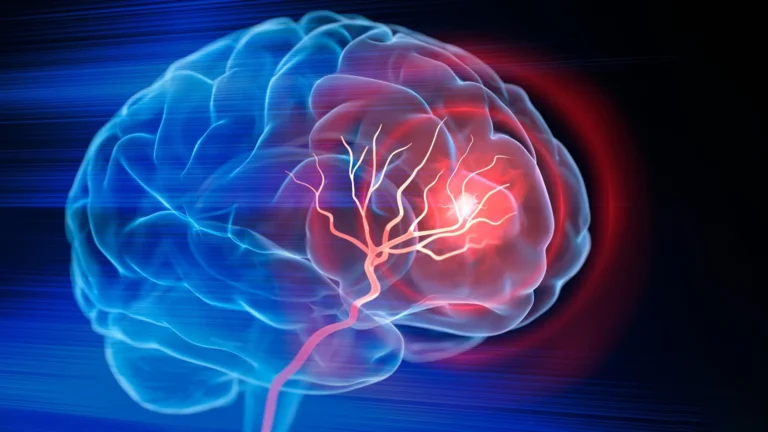
- Neuropeptide Signaling: One of the proteins identified in the score is involved in the activation of neuropeptides that mediate the body’s stress response, anxiety levels, and autonomic nervous system activity. This confirms the long-held hypothesis that Takotsubo is driven by the brain’s reaction to stress, rather than localized coronary artery disease.
- Plaque Stability Markers: The second key marker is associated with the stability of atherosclerotic plaques. By comparing these levels, the AI was able to differentiate between the systemic, stress-induced inflammation of Takotsubo and the localized, mechanical failure of a blocked artery.
These markers provide more than just a diagnostic tool; they provide a window into the biological mechanisms that distinguish a "broken heart" from a "clogged artery."
Official Responses from the Research Leads
The study’s authors emphasize that the BioTAK score is a sophisticated tool for clinical decision-making, not a replacement for medical expertise.
"Our study shows that a simple combination of blood biomarkers and biological sex can identify these patients with remarkable accuracy even before cardiac catheterization," says Dr. Florian A. Wenzl, co-first author of the study at the Center for Molecular Cardiology at the University of Zurich and the Radcliffe Department of Medicine at the University of Oxford. He notes that the biomarkers serve a dual purpose: immediate diagnostic utility and long-term scientific insight.
Victor Schweiger, co-first author from University Hospital Zurich, echoed this sentiment, noting: "The biomarkers provide insights into the biological processes that distinguish Takotsubo syndrome from a classic heart attack."
Dr. Thomas Lüscher, co-last author from the National Heart and Lung Institute at Imperial College London, highlighted the translational nature of the research. "By capturing signaling pathways related to stress responses, cardiac dysfunction, and plaque stability, the BioTAK score translates complex disease mechanisms into a practical diagnostic tool."
Dr. Christian Templin, director of the Department of Internal Medicine B at the University Medical Center Greifswald and founder of the InterTAK Registry, offered a cautious but optimistic outlook on clinical implementation. "The BioTAK score is not a substitute for cardiac catheterization when it is medically necessary. However, it could help guide diagnostic procedures more effectively and avoid unnecessary invasive tests in selected patients. Our goal is to identify patients with Takotsubo syndrome earlier and more reliably in the future, while also gaining a better understanding of the underlying disease mechanisms."
Implications for Emergency Medicine
The potential implementation of the BioTAK score in emergency departments worldwide carries significant implications for both hospital efficiency and patient outcomes.
Reducing Invasive Risk
Cardiac catheterization, while standard, carries inherent risks, including bleeding, infection, and rare but serious complications like arterial injury. By accurately filtering patients who are highly likely to have Takotsubo syndrome, hospitals can prioritize catheterization for those at high risk of true myocardial infarction, thereby conserving resources and reducing patient exposure to unnecessary invasive procedures.
Faster Triage
In the high-pressure environment of the emergency room, every minute counts. A rapid blood-based diagnostic tool that yields results in the same timeframe as standard troponin tests could fundamentally shift the triage process. Patients identified by the BioTAK score could be directed toward supportive care and stress-management protocols sooner, while those with coronary occlusions remain on the fast track for intervention.
Future Directions
The researchers are now looking toward the next phase of development: clinical integration studies. Further research will examine whether incorporating the BioTAK score into routine clinical workflows actually improves patient outcomes, reduces hospital length-of-stay, and optimizes the allocation of cardiac care resources.
As the medical community continues to refine its understanding of the brain-heart connection, the BioTAK score stands as a testament to the power of big data and AI in solving one of cardiology’s most persistent mysteries. It is a vital step toward a future where "broken heart syndrome" is no longer a diagnostic puzzle to be solved in the operating room, but a condition that can be identified with the precision of a blood test.