









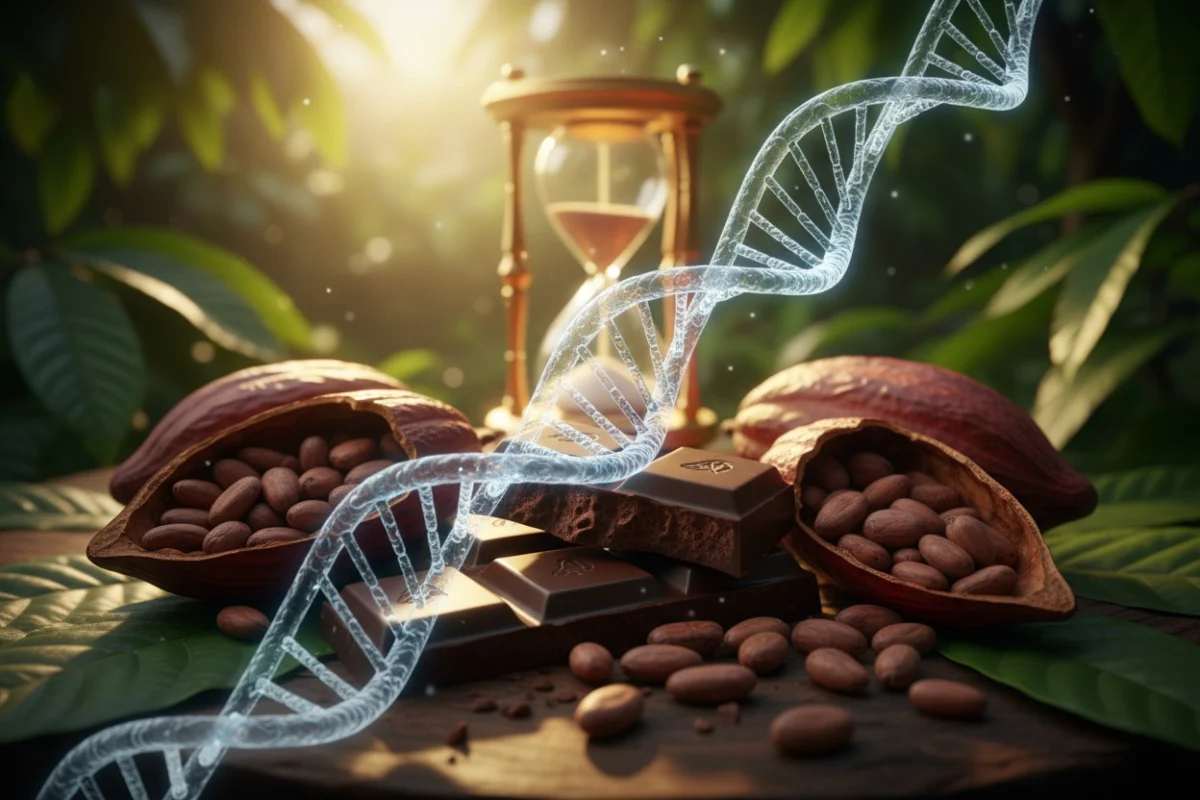
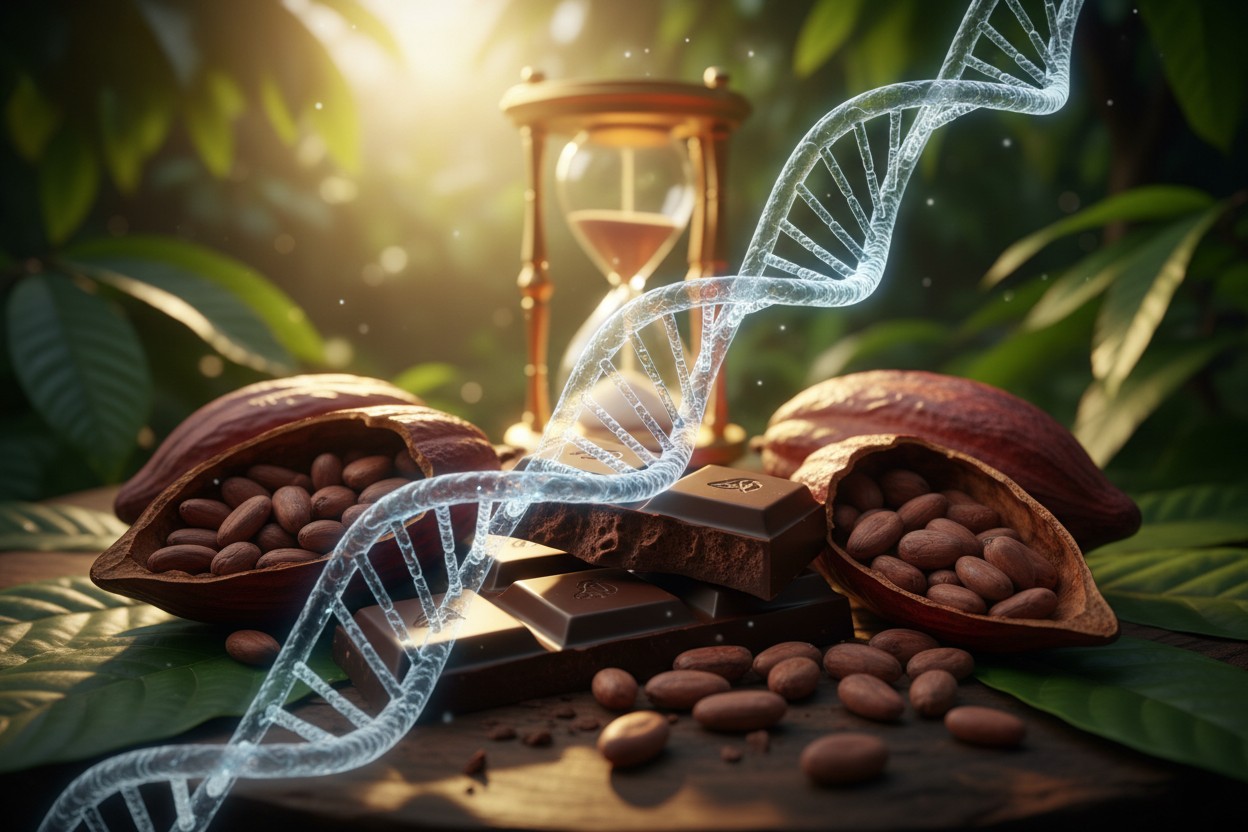
For centuries, dark chocolate has been celebrated as a decadent indulgence, a mood booster, and an occasional treat for the heart. Now, a growing body of scientific inquiry suggests that its benefits may extend to the very blueprint of our cellular health. A recent study published in the journal Aging has ignited a conversation about theobromine—a natural alkaloid found in the cocoa bean—and its potential to act as a "biological clock" moderator. While the findings offer an exciting glimpse into the world of longevity science, experts caution that the path from a chocolate bar to an anti-aging therapy is paved with significant complexities.
Main Facts: The Theobromine Connection
At the heart of the recent findings is theobromine, a plant-based alkaloid that is structurally similar to caffeine but provides a distinct, milder physiological effect. On December 10, 2025, a team of researchers from King’s College London released data derived from an analysis of nearly 1,700 healthy adults across various European cohorts.
The study aimed to identify links between dietary biomarkers and "epigenetic age acceleration"—a molecular measurement that compares an individual’s biological age (the wear and tear on their cells) to their chronological age. The results were striking: individuals with higher concentrations of theobromine in their blood samples demonstrated significantly less epigenetic age acceleration. In practical terms, these individuals were biologically "younger" than their birth certificates would suggest.
Crucially, the researchers noted that this association remained robust even after adjusting for other compounds found in coffee and cocoa. This suggests that theobromine itself may be a unique contributor to the observed health benefits, rather than just a byproduct of consuming other antioxidant-rich foods.
Chronology: The Evolution of Cocoa Research
The journey toward understanding cocoa’s impact on human health has evolved from ancient cultural lore to rigorous, albeit preliminary, modern science.
- Pre-2000s: Cocoa was largely viewed through the lens of nutrition—specifically its fat and sugar content. However, early observational studies began to note the cardiovascular health of populations with high cocoa consumption.
- 2010s: The "flavanol era" began. Scientists identified flavanols—a class of antioxidants—as the primary drivers of cocoa’s heart-healthy reputation, leading to a surge in studies on blood pressure and arterial function.
- December 10, 2025: The King’s College London study is published in Aging. This marks a pivot point, moving the conversation from cardiovascular outcomes to the more granular field of cellular aging and epigenetic markers.
- Current Status: The scientific community is currently in a phase of "cautious optimism." While the 2025 study provides a compelling correlation, it has prompted a series of follow-up debates regarding the necessity of randomized controlled trials (RCTs) to verify these findings in humans.
Supporting Data: Mechanisms of Action
Why would a compound found in a cocoa bean affect the aging process? While the precise mechanism remains under active investigation, researchers have proposed several pathways through which theobromine may exert its influence.
Mitochondrial Function and Cellular Cleanup
Theobromine is thought to play a role in optimizing mitochondrial function. Mitochondria, often referred to as the "powerhouses of the cell," are responsible for energy production. As we age, mitochondrial efficiency declines, leading to reduced energy and increased cellular stress. Preliminary laboratory data suggests that theobromine may help protect these organelles and potentially support "senescent cell clearance"—the body’s process of identifying and removing "zombie" cells that no longer divide but accumulate to cause inflammation and tissue damage.
Oxidative Stress vs. Reality
For years, natural health advocates have pointed to the high antioxidant profile of dark chocolate, noting that it contains more antioxidants per ounce than common superfoods like blueberries or raspberries. However, mainstream researchers offer a critical caveat: the "in vitro" vs. "in vivo" gap.
A review published in the Journal of the Science of Food and Agriculture highlights a significant challenge in this field: bioavailability. While flavonoids show potent antioxidant activity in a lab dish, their concentrations in human plasma after ingestion are often 100 to 1,000 times lower than those of naturally occurring antioxidants like glutathione or uric acid. Therefore, while cocoa is undeniably beneficial, scientists warn against expecting it to function as a pharmacological "fountain of youth."
Official Responses and Regulatory Context
Despite the excitement surrounding the King’s College London study, official regulatory bodies remain steadfast in their stance: the science is not yet ready for the supermarket shelf.
The U.S. Food and Drug Administration (FDA) has not approved any anti-aging claims for dark chocolate or cocoa flavanols. Regulatory officials emphasize that observational data—the kind used in the 2025 study—is excellent for generating hypotheses, but it is insufficient for establishing cause-and-effect relationships. "Correlation does not equal causation," is the mantra repeated by clinical experts who point out that people who consume high-quality dark chocolate may also lead healthier, more active lifestyles, which could be the true driver of their slower biological aging.
Furthermore, the dietary supplement and food industries are cautioned against over-interpreting these results. Marketing dark chocolate as an "anti-aging" product without rigorous, multi-year randomized clinical trials would be considered premature and potentially misleading by consumer protection standards.
The Heavy Metal Conundrum
A significant, often overlooked aspect of the cocoa conversation is the purity of the supply chain. In 2023, independent testing conducted by Consumer Reports revealed that a concerning one-third of tested chocolate products contained high levels of heavy metals, specifically lead and cadmium.
These elements are not necessarily additives; they are naturally occurring in the soil of the tropical regions where cacao is grown. However, the prevalence is high enough that experts are concerned. A publication titled Bittersweet: The Hidden Heavy Metals in Your Chocolate highlights that up to 43% of products sold in the U.S. exceed the conservative warning limits for lead established by California’s Proposition 65.
This creates a paradox: to receive the potential benefits of theobromine and flavanols, consumers are encouraged to eat dark chocolate, but they must do so with the awareness that they may also be ingesting heavy metals. This underscores the need for transparency in the chocolate industry and suggests that moderation is not just a health recommendation, but a safety requirement.
Implications: A Balanced Perspective
The study on theobromine and biological aging represents a significant step forward in nutritional science, but it should be viewed as a piece of a much larger puzzle.
For the Consumer
If you enjoy dark chocolate, the current research is a promising reason to continue—but with caveats. Experts recommend:
- Prioritize Quality: Opt for high-percentage dark chocolate (70% or higher) to maximize flavanol and theobromine content while minimizing added sugars and fats.
- Moderation is Key: Dark chocolate is calorie-dense. The health benefits observed in studies are not an excuse for overconsumption, which can lead to weight gain and negate the very anti-aging effects being studied.
- Stay Informed: Keep an eye on reports regarding heavy metal testing to ensure your chosen brand is taking steps to mitigate lead and cadmium levels.
For Future Research
The scientific community is now calling for long-term, randomized controlled trials. These trials will need to isolate theobromine, determine the optimal dosage for human benefits, and account for the bioavailability challenges that have plagued previous research into flavonoids.
Ultimately, the report from the journal Aging serves as a reminder that our diet is deeply interconnected with our cellular longevity. While a piece of dark chocolate is not a substitute for exercise, sleep, and a balanced diet, it is a fascinating example of how plant-based compounds may support the body’s natural ability to age gracefully. As researchers continue to bridge the gap between observational data and clinical reality, we may one day understand exactly how much of a role our favorite indulgence plays in the science of living longer, healthier lives.
For now, the advice from the experts remains clear: enjoy the chocolate, but do not look to it as a replacement for established health practices. The "sweet" truth is that while the science is promising, it is still in its infancy, and the most effective anti-aging strategy remains a comprehensive approach to health, not a single dietary miracle.