







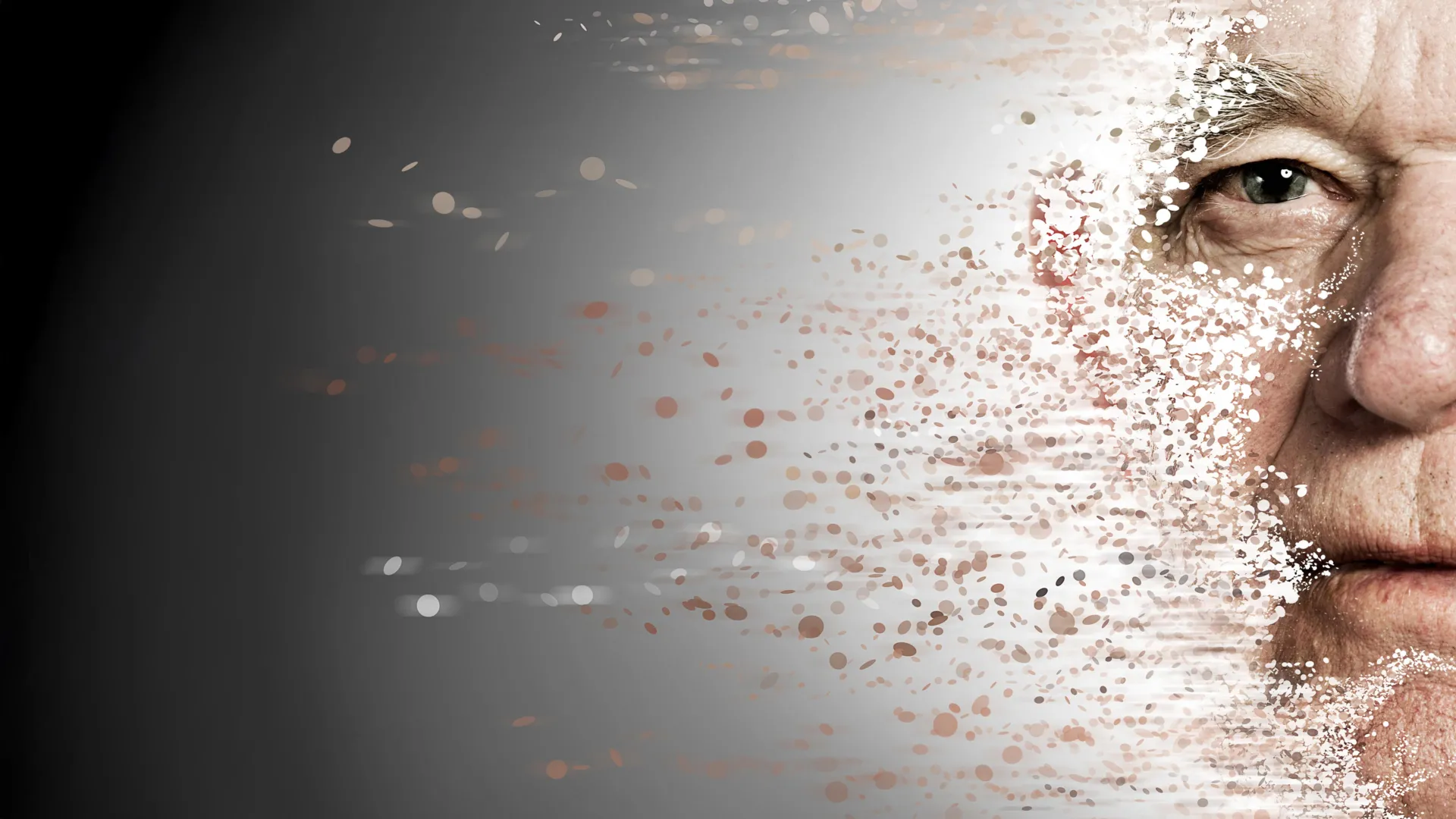
For generations, the process of aging has been viewed as an inevitable, if somewhat mysterious, decline—a slow fraying of biological integrity. While we have long understood that aging occurs at different rates for different individuals, the underlying mechanisms governing this systemic breakdown have remained largely elusive. However, a breakthrough study from Stanford Medicine has identified a critical failure point in our immune system, offering a revolutionary perspective on why we age and, perhaps more importantly, how we might one day slow that decline.
The research, published in the prestigious journal Science, identifies a specific malfunction in "tissue-resident macrophages"—specialized immune cells that act as the body’s permanent, organ-specific maintenance crew. As we age, these cells lose their ability to dispose of senescent, or "zombie," neutrophils. The resulting accumulation of these dysfunctional cells triggers chronic inflammation, accelerating the deterioration of everything from the heart and liver to the brain.
The Mechanics of Cellular Decay: A Chronology of Decline
To understand the magnitude of this discovery, one must first understand the life cycle of the neutrophil. Neutrophils are the body’s most abundant white blood cells, produced in the bone marrow to serve as the front line of defense against infection. They patrol the bloodstream, constantly hunting for bacterial or viral threats.
The life of a neutrophil is brief—typically lasting no more than 12 to 24 hours. Under healthy conditions, these cells perform their duties and are subsequently cleared away by macrophages. However, the Stanford research highlights a grim evolution in this process:
- The Rise of Senescence: As an animal ages, a significant portion of neutrophils that never encounter a pathogen enter a state of senescence. These cells become dysfunctional, essentially "zombies" that release toxic, inflammatory chemicals into the surrounding tissue instead of performing their protective duties.
- The Accumulation Phase: With age, the production of these senescent neutrophils increases. Concurrently, the body’s primary disposal mechanism—the tissue-resident macrophages—begins to lose its efficiency.
- The Inflammatory Feedback Loop: The study identifies a hormone called PGE2 as a central villain in this process. PGE2 levels rise with age, and it binds to a specific receptor on the surface of macrophages known as EP2. This binding creates a harmful feedback loop: repeated stimulation of the EP2 receptor effectively "blunts" the macrophage’s ability to engulf and digest senescent neutrophils.
- Systemic Failure: As these neutrophils accumulate in organs like the liver, spleen, and bone marrow, they propagate chronic inflammation throughout the entire body. This leads to the familiar markers of aging: metabolic dysfunction, frailty, cognitive decline, and increased susceptibility to disease.
Supporting Data: The Power of Blocking EP2
The research team, led by Dr. Katrin Andreasson, the Edward F. and Irene Thiel Pimley Professor in Neurology and Neurological Sciences, and lead author Dr. Jessy Tan, conducted rigorous experiments to test the impact of this pathway.
By engineering mice to lack the EP2 receptor specifically within their tissue-resident macrophages, the team observed a stunning preservation of youth. When comparing older mice (aged 23 to 25 months, equivalent to humans in their 70s) to their peers, the results were definitive.
The team identified 71 blood proteins that typically shift in expression as an organism ages. In the mice where the EP2 receptor was disabled, 59 of those proteins remained at youthful levels. These mice did not just look younger; they performed better across a suite of physiological metrics. They exhibited:
- Physical Vitality: Higher muscle mass and lower visceral fat accumulation.
- Cognitive Resilience: Improved memory and navigational skills in maze-based cognitive testing.
- Structural Integrity: Reduced inflammation in the hippocampus, heart, kidneys, and colon.
Perhaps most tellingly, the researchers tested an experimental drug that inhibits the EP2 receptor in normal, aged mice over a two-month period. The treatment successfully restored the macrophages’ ability to clear senescent neutrophils, bringing the older mice’s internal cellular environment closer to that of much younger subjects.
Official Perspectives: Decoding the "Why" of Aging
"We’ve been trying to figure out why we age," Dr. Andreasson remarked following the publication. "Now we know at least one big reason for it."
Andreasson’s team emphasizes that while the inflammatory response is necessary for acute injury, the chronic, low-level inflammation—often termed "inflammaging"—is the silent killer of longevity. By identifying the EP2 receptor as a targetable node in this inflammatory cascade, the researchers have moved the conversation from abstract biological theory to concrete, pharmacologically actionable strategy.
The study’s findings are further bolstered by an analysis of human liver databases. In human tissue samples, researchers observed the exact same patterns seen in mice: an increase in senescent neutrophils, a decline in macrophage function, and an upregulation of the EP2 receptor, particularly in diseased or aged livers. This cross-species confirmation suggests that the mechanism is a fundamental component of human aging.
Implications: The Future of Anti-Aging Therapeutics
The implications for human health are profound. Current anti-inflammatory drugs, such as aspirin or other NSAIDs, work by broadly suppressing prostaglandins like PGE2. While effective for pain and fever, these drugs are blunt instruments; they can interfere with the beneficial roles of prostaglandins and carry significant side effects.
The Stanford discovery points toward a more precise medical future. The goal is not to eliminate PGE2 entirely, but to develop a selective inhibitor that blocks the EP2 receptor specifically. By doing so, medicine could potentially "rejuvenate" the body’s innate garbage collection system without disrupting the vital functions of other immune processes.
Beyond the Laboratory
The researchers acknowledge that translating these findings into a clinical therapy for humans will require time and significant safety testing. However, the potential applications are vast. If a drug can be developed to maintain the performance of tissue-resident macrophages, it could theoretically:
- Extend Healthspan: Increase the number of years people remain active, mentally sharp, and free of chronic, age-related illnesses.
- Treat Age-Related Disease: Offer a new therapeutic avenue for neurodegenerative diseases and metabolic disorders that are exacerbated by chronic inflammation.
- Optimize Recovery: Improve the body’s ability to recover from surgery or systemic trauma, which is often hampered by a sluggish immune response in older patients.
As the scientific community digests these findings, the "garbage collector" theory of aging provides a compelling and actionable framework. By focusing on the health and efficiency of the immune system’s long-lived resident cells, we may be approaching an era where aging is no longer treated as an unstoppable decline, but as a manageable biological process.
This study was supported by the National Institutes of Health, the American Heart Association, the Phil and Penny Knight Initiative for Brain Resilience at the Wu Tsai Neurosciences Institute, Stanford University, the Arc Institute, and the Chan-Zuckerberg Biohub. The research team included international collaborators, including researchers from the University of Munster in Germany.