







By Kristina Fiore, Director of Enterprise & Investigative Reporting
September 17, 2026
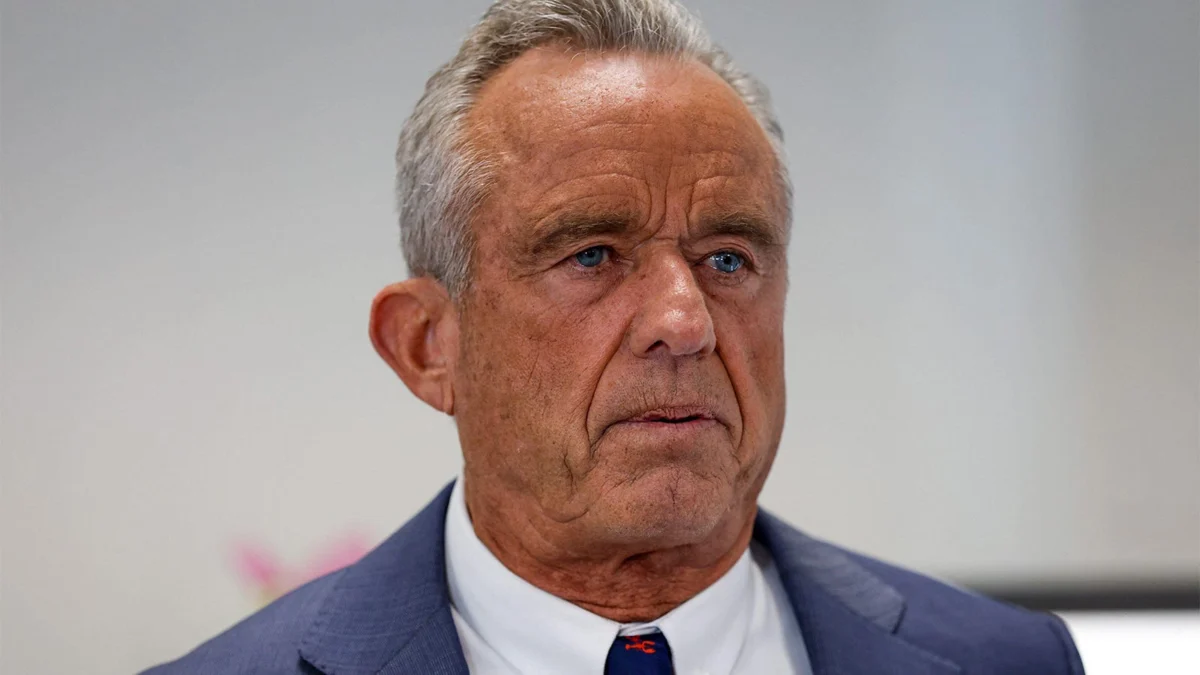
In a move that marks a definitive turning point for federal public health policy, U.S. Department of Health and Human Services (HHS) Secretary Robert F. Kennedy Jr. has officially appointed eight new members to the U.S. Preventive Services Task Force (USPSTF). This sweeping restructuring of the independent panel follows more than a year of operational stagnation, punctuated by high-profile personnel dismissals and a series of cancelled meetings that left the nation’s preventive care guidelines in a state of suspended animation.
The appointment of these eight experts—a diverse cohort including cardiologists, a gastroenterologist, a radiologist, an artificial intelligence (AI) specialist, and a health insurance expert—brings the task force back to its full, mandated capacity of 16 members. While the administration frames this as a necessary revitalization, critics and public health advocates remain wary of the ideological shift that may accompany this new roster.
A Chronology of Conflict: How the USPSTF Reached an Impasse
The path to this week’s appointments was anything but traditional. For over 40 years, the USPSTF has operated as a bastion of evidence-based medicine, tasked with evaluating clinical research to issue recommendations that dictate insurance coverage under the Affordable Care Act (ACA). However, under the tenure of Secretary Kennedy, the body became a focal point of intense executive scrutiny.
- July 2025: The first major sign of disruption occurred when Secretary Kennedy abruptly cancelled the task force’s mid-summer meeting, citing a need for "procedural review."
- November 2025 & March 2026: Two subsequent meetings were scrapped without clear public explanation, effectively freezing the issuance of new clinical guidelines for millions of Americans.
- May 2026: The conflict turned personal when Kennedy terminated the roles of the task force’s two vice chairs, John Wong, MD, and Esa Davis, MD, MPH. The move was widely described as a "purge," with both physicians noting that the letters they received—which suggested they "consider reapplying"—were confusing and unprecedented.
- April 2026: During a heated House hearing, Secretary Kennedy characterized the pre-overhaul task force as "lackadaisical and negligent," doubling down on his promise to "reform" the panel to better align with his vision of health oversight.
This pattern of disruption mirrors Kennedy’s aggressive restructuring of the CDC’s Advisory Committee on Immunization Practices (ACIP). While his attempts to unilaterally overhaul the ACIP have been met with successful legal challenges—currently caught in a protracted court battle—the USPSTF overhaul has thus far proceeded without the same level of judicial intervention.
The New Roster: Expertise and Intent
Roger Klein, MD, JD, director of the Agency for Healthcare Research and Quality (AHRQ), which provides the technical backbone for the task force, expressed optimism regarding the new appointments. "Each new panelist brings valuable expertise and a unique perspective to the Task Force," Klein stated in a recent press release.
The inclusion of an AI expert suggests that the HHS is looking to modernize the way the task force reviews the massive volumes of medical data that underpin its recommendations. Similarly, the addition of a health insurance expert reflects the administration’s stated goal of ensuring that preventive service recommendations are not only scientifically sound but also economically viable within the current insurance landscape.
However, the specific credentials of these appointees will be subject to intense scrutiny. Historically, USPSTF members have been selected for their academic rigor and clinical trial expertise. Any deviation from this, or any perceived tilt toward industry interests, could severely compromise the panel’s standing in the medical community.
Implications for American Healthcare
The USPSTF holds a unique and powerful position in the U.S. healthcare ecosystem. Its "Grade A" and "Grade B" recommendations are not merely suggestions; they are the gold standard for what private insurers are required to cover without cost-sharing. By controlling the panel, the administration exerts a subtle but profound influence over the preventive services that are accessible to the average American—from breast cancer screening intervals to cardiovascular risk assessment.
The Credibility Gap
Aaron Carroll, MD, MS, president and CEO of AcademyHealth, emphasizes that the integrity of the USPSTF is inextricably linked to its methodology.
"The Task Force earns its authority from how it works, not from who sits on it," Carroll noted in an email to MedPage Today. "The Task Force needs members, but the credibility of its recommendations depends on a transparent process, rigorous evidence review, and strong scientific support from AHRQ. Rebuilding the panel without rebuilding the evidence infrastructure behind it leaves an important question unanswered: Can the Task Force do its job as intended?"
The "evidence infrastructure" Carroll refers to is the AHRQ’s systematic review process. If the task force is forced to adopt new, faster, or potentially less stringent criteria for evidence, the downstream effect could be a dilution of the scientific standard that has defined the USPSTF for decades.
Legal and Regulatory Precedent
The broader concern among legal experts is the expansion of executive power over independent advisory bodies. If the Secretary of HHS is permitted to dismiss members of an independent task force simply for holding divergent views—or for failing to move quickly enough on administrative priorities—the nature of "independent" science changes.
This dynamic is particularly fraught given the ongoing litigation regarding the ACIP. If the courts eventually rule that the Secretary’s influence over advisory committees exceeds statutory limits, the USPSTF appointments could themselves be challenged. For now, however, the task force is operational, and the medical community is waiting to see if the first post-hiatus meeting will result in a continuation of established evidence-based practice or a radical departure from the status quo.
Looking Ahead: The Task for the New Panel
With the panel finally back at full strength, the pressure is mounting to address the backlog of guidelines that have been sitting in limbo for over a year. The task force is currently expected to resume its regular meeting schedule, though the agenda for these meetings remains a subject of intense speculation.
Medical societies, patient advocacy groups, and insurance providers are watching closely. The USPSTF has long been considered a neutral arbiter in a highly politicized healthcare environment. Whether this new, Kennedy-appointed iteration can maintain that neutrality—or whether it will become a tool for the administration’s broader health policy agenda—remains the central question of the coming months.
As the panel prepares to convene, the medical community’s message is clear: the credibility of the USPSTF is not guaranteed by the Secretary’s signature on an appointment letter. It is earned through the transparency of its review, the rigor of its data analysis, and its commitment to the health of the patient above all other considerations. Whether this new group can balance the administration’s directives with the necessity of scientific integrity will define the legacy of the task force for years to come.
The health of the nation, and the reliability of the care that millions receive, depends on the answer.