







Published September 17, 2026
In the world of contemporary yoga, the practice is often fragmented into disconnected "workouts." However, the true essence of the discipline lies in the architecture of a sequence—a deliberate, rhythmic progression where one posture serves as the structural foundation for the next. As we revisit the archives of Yoga Journal from July–August 2001, we uncover a foundational philosophy regarding Kapotasana (Pigeon Pose) that remains as relevant today as it was a quarter-century ago.
The Philosophy of the "Pause"
To understand the deeper mechanics of backbending, one must first shift their perception of the asana. As renowned teacher Angela Farmer famously noted, asanas are not static poses; they are "pauses in an ever-changing flow of movement." By adopting this mindset, the practitioner moves away from the goal-oriented pursuit of a "final shape" and toward an exploration of the kinetic paths that lead there.
Kapotasana is arguably one of the most formidable backbends in the yoga canon. It demands not only profound flexibility but also a sophisticated integration of the nervous system and the skeletal structure. By breaking the journey down into manageable, logical segments, the practitioner can access the pose with safety, insight, and grace.
Chronology of the Sequence: From Bolster to Breath
Preparation is the silent partner of every successful backbend. When approaching deep thoracic and lumbar extensions, the goal is to renew the body’s energetic reserves rather than overstimulating the nervous system.
Phase 1: The Bolster Foundation
Before attempting any active backbending, the body must be acclimated to the sensation of an open chest. By using a bolster—or a series of rolled blankets—under the upper back for five to ten minutes, the student learns to trust the support of the props. During this phase, the focus must remain on the breath.
- Breathing Mechanics: The exhalation is the key to nervous system regulation. By extending the exhale, the student prevents the "gasping" reflex, which is a physiological indicator of stress.
- Dissolving Tension: Instead of tightening the back muscles against the gravity of the bolster, the student must learn to let the spine be "molded" by the prop. This prepares the muscle fibers for the fluid requirements of more demanding poses.
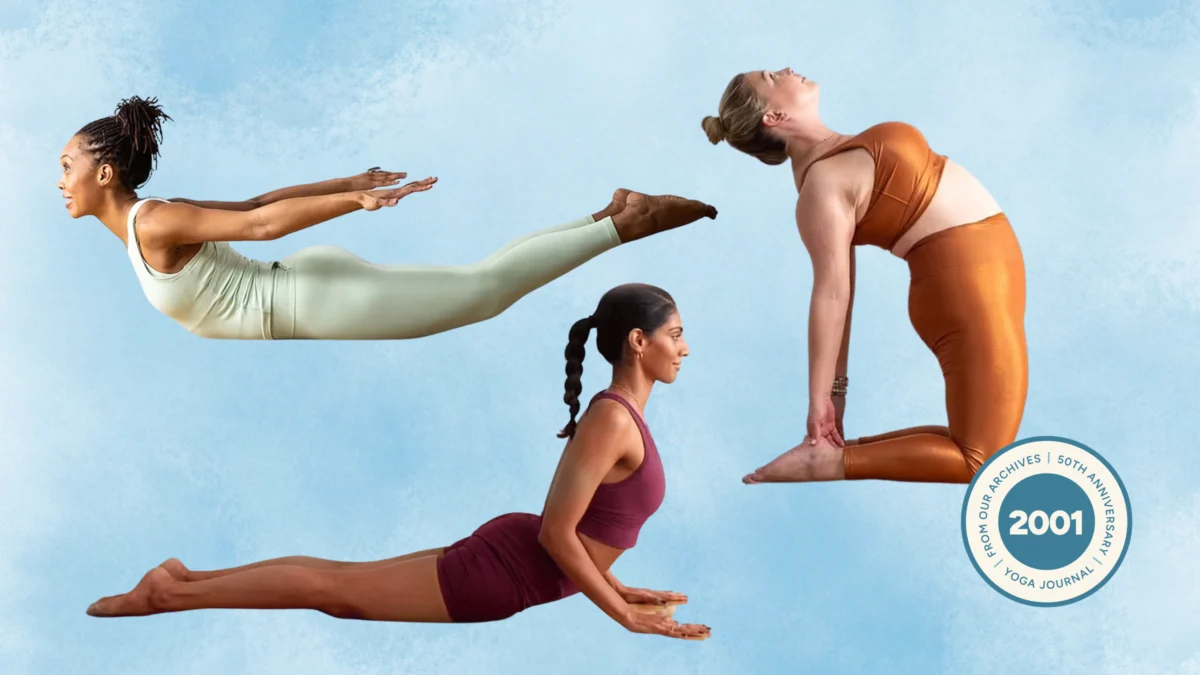
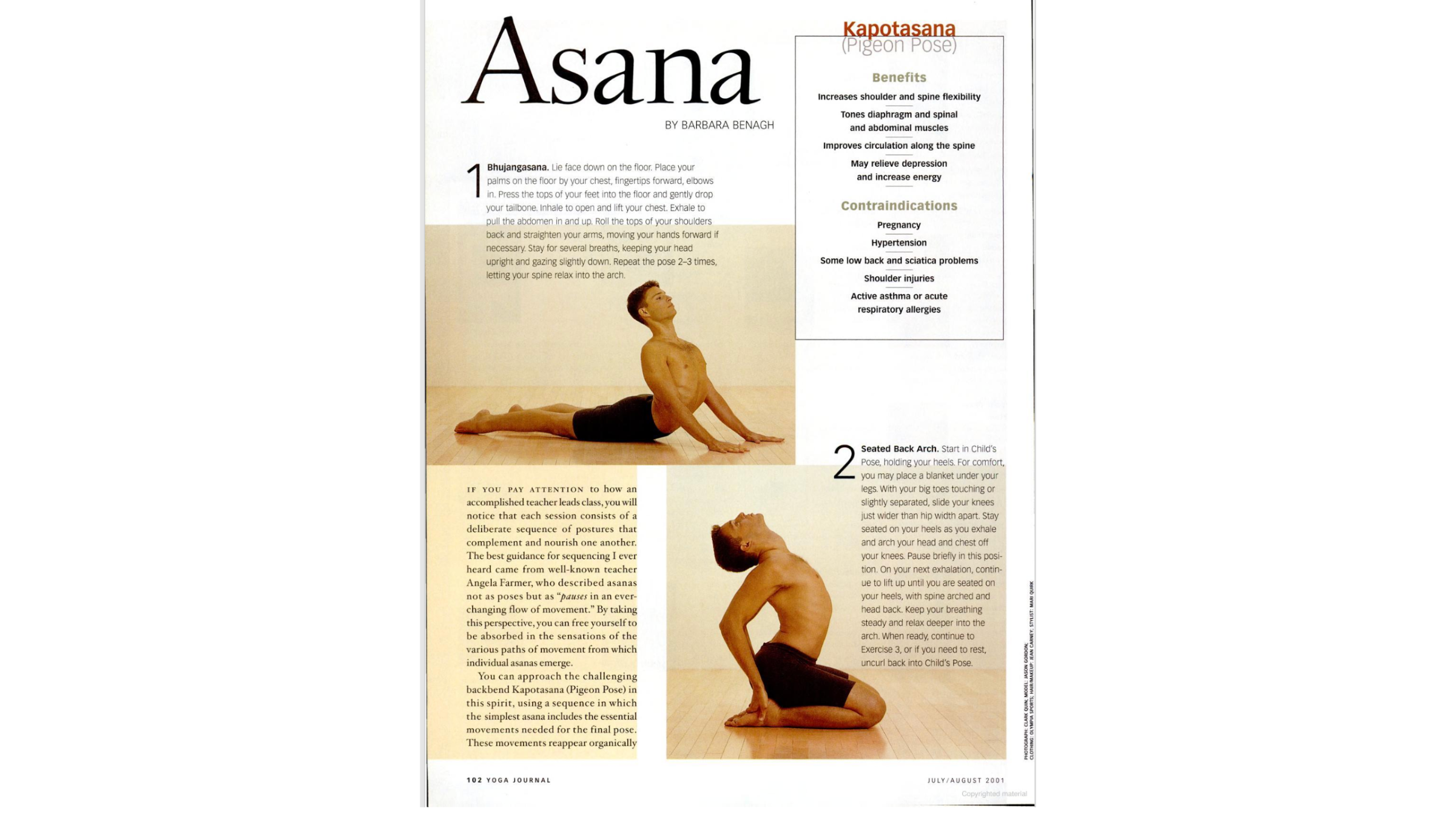
Phase 2: Bhujangasana (Cobra Pose)
Cobra serves as the first active "pause" in the sequence. Here, the focus shifts to the foundational relationship between the pelvis and the legs.
- The Pelvic Balance: Students are encouraged to avoid the common pitfall of tucking the pelvis. Instead, the pubis should move away from the navel, drawing toward the tailbone. This creates a stable base that allows the spine to rise from the pelvic floor rather than crunching into the lower lumbar vertebrae.
- The "Cobra on Crutches" Phenomenon: A common error in Bhujangasana is relying entirely on the arms to push the chest up, leaving the spine dormant. The remedy is to maintain the internal "spinal flow"—an active, continuous lengthening that starts at the feet and travels up through the crown of the head.
Phase 3: Ustrasana (Camel Pose)
As we transition to Ustrasana, the challenge increases. The student must now maintain the integrity of the spinal arch while shifting the body’s weight over the knees.
- Identifying Kinesthetic Numbness: Many practitioners experience a "dead zone" in the mid-spine. By moving slowly from a seated backbend (starting in Child’s Pose) into Camel, the student can pinpoint these numb areas.
- The Role of the Thighs: A frequent compensation for a rigid mid-spine is the tendency to push the thighs too far forward. This creates artificial depth but puts the lumbar spine at risk. The key is to keep the hips stacked over the knees while the chest continues to expand.
Supporting Data: The Science of Integration
The transition from Ustrasana to Kapotasana is not merely a physical feat; it is a psychological hurdle. Research into neuromuscular patterning suggests that when we encounter resistance in a pose, the body’s "fight or flight" response is triggered.
The technique suggested in our 2001 archival study emphasizes "conscious surrender." This is not a passive collapse, but an active engagement of the muscles combined with a rhythmic, steady breath. When the body perceives the support of the breath, it releases the guarding mechanisms that prevent deep flexion. Physiologically, this allows the fascia to lengthen more effectively, reducing the likelihood of impingement in the lumbar or cervical spine.
Official Perspectives: The Myth of Surrender
Modern interpretations of "surrender" in yoga often misinterpret the term as weakness. However, in the context of advanced asana, surrender is a tool of efficiency.
- The Teacher’s View: "In a culture that defines surrender as weakness, we resist," the archives note. "But yoga teaches us that clarity and effectiveness require a balance between effort and surrender."
- Technical Precision: In Kapotasana, the hands-to-feet transition is the ultimate test of this balance. If the practitioner forces the movement, they lose the breath. If they surrender too much, they lose the structural support of the legs. The "lucid equilibrium" found between these two states is what allows for the final, graceful expression of the pose.
Implications for Practice
The implications of this sequence extend far beyond the successful completion of a deep backbend. By viewing asanas as a cohesive chain of movement rather than isolated snapshots, practitioners gain several benefits:
- Injury Prevention: By identifying "unintelligent spots" in the spine early in the sequence, the student avoids placing undue pressure on vulnerable areas.
- Increased Mind-Body Awareness: The requirement to look over the shoulders with the "eyes of the chest" forces a level of mindfulness that carries over into everyday life, promoting better posture and somatic awareness.
- Longevity: A practice built on the logic of sequencing is sustainable. It allows the student to progress at a rate dictated by their own physiology rather than external expectations.
Conclusion: The Common Thread
As we conclude this journey from the simple, passive opening of the bolster to the intense, full-body surrender of Kapotasana, the most vital takeaway is the discovery of the "common thread." Whether in the simplest Cobra or the most advanced Pigeon, the internal mechanics remain the same: root through the legs, stabilize through the pelvis, and allow the spine to bloom upward through the chest.
When a practitioner begins to see these connections, the practice ceases to be a series of physical challenges and becomes a cohesive, gratifying study of the self. By bringing full presence to each "pause" in the sequence, the practitioner eventually finds that the pose is not something they do—it is something they become.
For those looking to integrate these movements into their own routines, remember: the goal is not to reach the floor, but to remain present throughout the journey. Practice with intention, breathe with rhythm, and honor the intelligence of your own spine.