







Knee pain has long been dismissed as an inevitable consequence of aging—a "wear and tear" tax paid for a life well-lived. However, as medical science advances, the narrative surrounding knee osteoarthritis (OA) is shifting from one of resignation to one of proactive management. With over 30 million Americans currently grappling with the condition, and a significant portion of that demographic still in their prime working years, the medical community is emphasizing that osteoarthritis is not a foregone conclusion, but a condition that can be managed, mitigated, and, in many cases, delayed.
The Mechanics of Discomfort: Understanding Knee Osteoarthritis
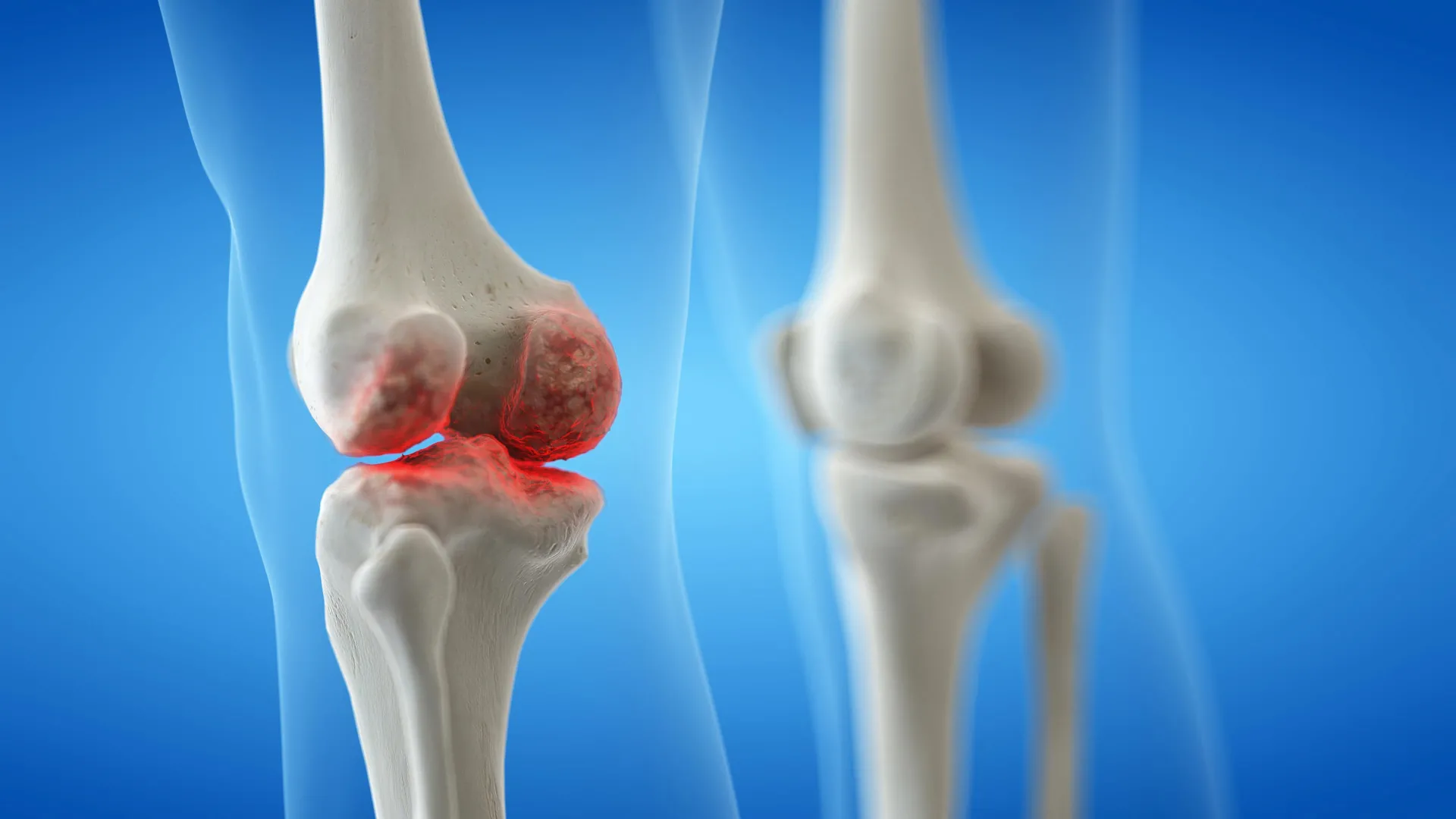
At its core, knee osteoarthritis is a degenerative joint disease characterized by the gradual breakdown of articular cartilage. This slick, rubbery tissue acts as a shock absorber, allowing the femur and tibia to glide over one another with minimal friction. When this cartilage thins or wears away, the protective buffer vanishes, leading to bone-on-bone contact. This results in the hallmark symptoms of the condition: persistent pain, stiffness, swelling, and a diminished range of motion.
The transition from healthy joint function to clinical osteoarthritis is rarely sudden. It is a slow, progressive decline that often begins with minor discomfort after physical exertion. Over time, that discomfort can evolve into chronic pain that hampers even the most basic activities of daily living.
Chronology of a Chronic Condition: From Early Onset to Impairment
The progression of osteoarthritis is often categorized into stages, though individual experiences vary significantly.
- Early Stage: Characterized by minor cartilage wear, patients may experience occasional stiffness, particularly after periods of inactivity, such as waking up in the morning or sitting for a long duration.
- Moderate Stage: The thinning of the cartilage becomes more pronounced, and the space between the bones begins to narrow. Pain becomes more frequent and is often triggered by simple movements like climbing stairs or walking long distances.
- Advanced Stage: The protective cartilage is significantly degraded, leading to bone-on-bone contact. At this stage, the joint may become severely deformed, and patients often experience constant pain, even while at rest.
"Osteoarthritis can cause knee pain and stiffness, which can negatively impact a person’s activity level, risk of falling, mood and general quality of life," explains Dr. Abby Cheng, an orthopedic surgeon at Washington University School of Medicine in St. Louis. Dr. Cheng, who specializes in physiatry—the nonsurgical treatment and rehabilitation of musculoskeletal conditions—stresses that the condition is not merely a mechanical issue; it is a systemic health challenge that ripples through every facet of a patient’s life.
Supporting Data: A Growing Public Health Crisis
The statistics surrounding knee osteoarthritis are sobering. It is the most frequently affected joint in the body, and while age is a primary risk factor, it is no longer strictly a "disease of the elderly." Roughly half of all cases occur in individuals of working age, making this a significant economic issue as well as a clinical one.
When a person suffers from chronic knee pain, the implications extend far beyond the joint itself:
- Economic Impact: Chronic pain is a leading cause of absenteeism and reduced productivity in the workplace. The inability to move freely can lead to long-term income loss and career instability.
- Sedentary Cascades: The pain-movement cycle is vicious. As pain increases, activity decreases. A sedentary lifestyle is a gateway to a host of other chronic conditions, including cardiovascular disease, type 2 diabetes, and certain cancers.
- Mental Health Implications: The loss of mobility and the constant presence of pain have been shown to correlate with higher rates of depression and anxiety, as patients lose the ability to participate in hobbies, social events, and daily routines that contribute to a high quality of life.
Risk Factors: Beyond Genetics and Age
While researchers acknowledge that genetics play a role in joint health, Dr. Cheng emphasizes that family history is not a deterministic sentence. "Some people think that because a parent or grandparent had osteoarthritis, they will develop it too," Cheng notes. "And while it’s true that osteoarthritis can run in families, it doesn’t mean there’s nothing a person can do to successfully lower their risk of developing it."
The modifiable risk factors are where the most significant interventions take place:
- Weight Management: Perhaps the most potent tool in the fight against OA is weight control. Dr. Cheng highlights a striking statistic: for every pound of body weight lost, the load on the knees is reduced by four pounds during every step. Therefore, a 10-pound weight loss equates to 40 pounds of pressure removed from the knee joint with each stride.
- Muscle Strength: The muscles surrounding the knee—particularly the quadriceps—act as the knee’s primary shock absorbers. Weak muscles leave the joint vulnerable to impact and misalignment.
- Previous Injury: A history of sports injuries or trauma to the knee significantly increases the likelihood of developing post-traumatic osteoarthritis later in life.
Official Responses and Clinical Strategies
Modern medical guidance has moved away from the "rest and wait" approach. Today, clinicians advocate for a multimodal strategy designed to preserve joint function and reduce systemic inflammation.
Nutritional Interventions
Diet is increasingly recognized as a key pillar in joint health. "Eating more plants and less processed or sugary food reduces inflammation in the body, which can reduce pain from osteoarthritis in all joints," Dr. Cheng advises. An anti-inflammatory diet, rich in whole grains, fruits, vegetables, and healthy fats, serves as a natural systemic defense against the chronic low-grade inflammation that exacerbates cartilage degradation.
Clinical Management
When lifestyle changes alone are insufficient, healthcare providers offer a tiered approach to treatment:
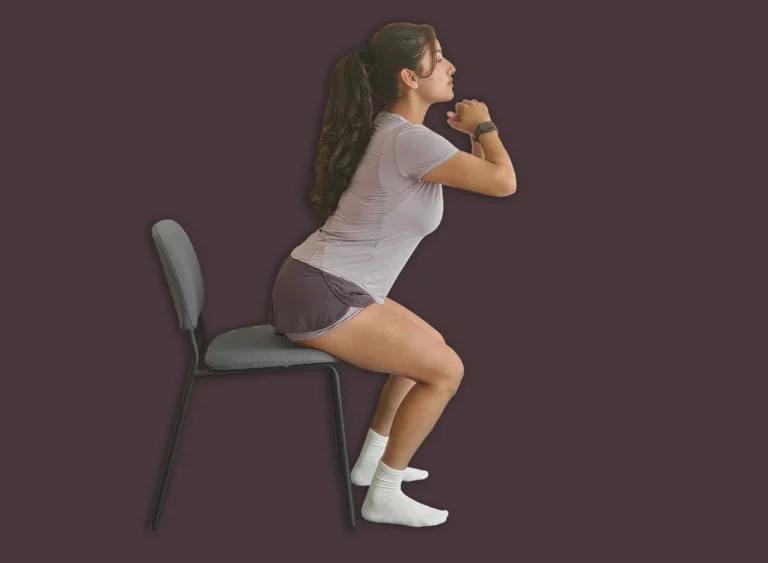
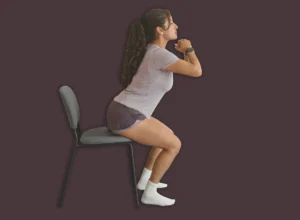
- Physical Therapy: Targeted exercises to strengthen the thigh muscles and improve range of motion.
- Orthotics and Bracing: Using specialized knee braces to offload pressure from the affected part of the joint.
- Pharmacology: Anti-inflammatory medications are often used to manage flare-ups.
- Injections: Cortisone or other lubricating injections can provide temporary relief from pain and inflammation.
- Surgical Intervention: In cases where quality of life is severely compromised and conservative measures have failed, knee replacement surgery remains a highly effective, albeit final, option.
Implications: The Path Forward
The most significant takeaway for the public is that the future of one’s joint health is largely under their own control. The prevailing myth that running causes irreversible damage to the knees has been largely debunked; when done with proper technique and appropriate footwear, running can actually be a component of a healthy lifestyle that keeps joints lubricated and muscles strong.
Furthermore, the integration of preventive care—starting in one’s 30s and 40s—can drastically alter the trajectory of joint health. By prioritizing a healthy weight, consistent resistance training, and a whole-food diet, individuals can create a biological environment that protects against the onset of osteoarthritis.
Taking Control of Your Health
The journey to healthy joints is not a sprint; it is a lifelong commitment to movement. For those already suffering from symptoms, the message is one of empowerment: consult with a physician, identify the specific mechanical or lifestyle drivers of your pain, and implement evidence-based changes.
"It’s your health," Dr. Cheng concludes. "Take control."
By viewing the knee not just as a hinge that wears out, but as a dynamic biological system that responds to the environment we provide it, patients can transition from passive observers of their own physical decline to active participants in their long-term vitality. The rise of osteoarthritis is a challenge to the public health system, but it is also a clarion call for a more holistic, proactive approach to human movement and wellness. Through education, early intervention, and a commitment to movement, the "inevitable" pain of aging can be significantly delayed, if not entirely avoided.