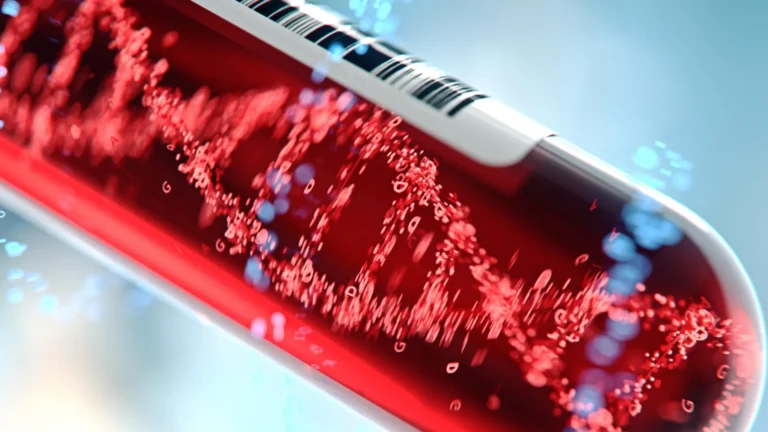









In a landmark study that could fundamentally reshape our understanding of oncology and nutrition, researchers at The Wistar Institute have uncovered a chilling biological mechanism: a common dietary sugar, fructose, acts as a potent catalyst for the spread of aggressive ovarian cancer. The findings, published in the journal Nature Aging, provide a new explanation for why ovarian cancer is so notoriously difficult to treat and why it so frequently recurs after chemotherapy.
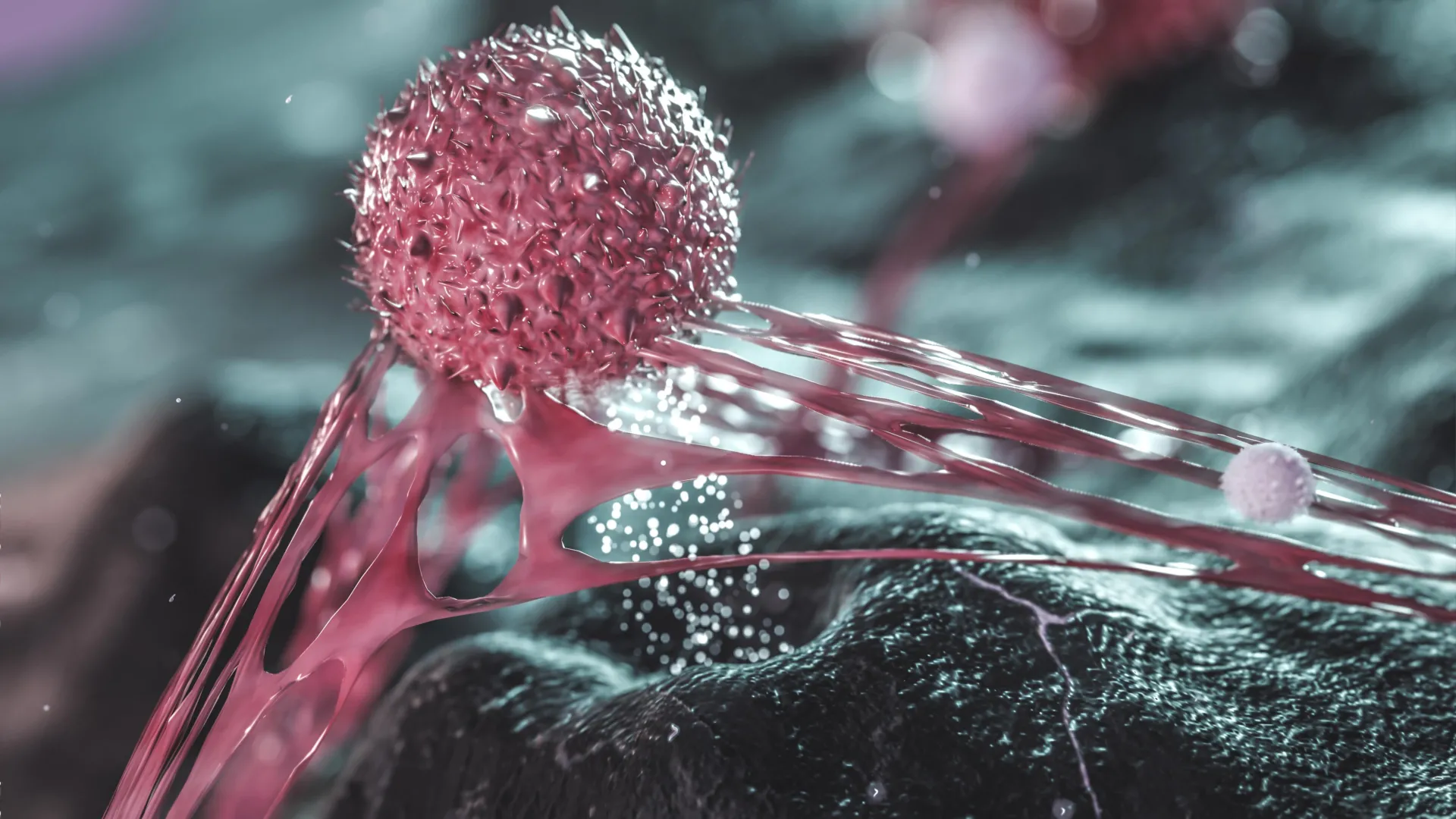
The research suggests that cancer cells that survive initial chemotherapy—though dormant and non-dividing—remain biologically active. These "zombie" cells release a chemical cocktail that communicates with neighboring, healthy-looking cancer cells, effectively signaling them to detach, migrate, and colonize new areas of the body. Central to this signaling process is fructose, which appears to act as a chemical messenger that weakens the structural integrity of neighboring tumor cells, paving the way for metastasis.
The Chronology of a Scientific Breakthrough
The path to this discovery began with a fundamental question: Why does ovarian cancer, which often responds aggressively to initial platinum-based chemotherapy, almost inevitably return and spread throughout the abdominal cavity? Metastasis is responsible for roughly 90% of deaths from this disease, yet the exact biological triggers for this recurrence have remained elusive.
Phase 1: Identifying the Signaling Culprits
Aidan Cole, Ph.D., a postdoctoral fellow in the lab of Dr. Katherine Aird at The Wistar Institute, spearheaded the experimental design. The team sought to determine if the surviving cells were merely bystanders or if they were actively orchestrating the recurrence. By isolating chemotherapy-surviving cancer cells from their secretome—the collection of substances they release into their environment—the team performed a series of controlled exposures.
When researchers exposed naïve cancer cells to the secretome of the treatment-surviving cells, they observed a significant increase in the migratory and invasive capabilities of the cancer. This was a "eureka" moment: it was not necessarily the surviving cells themselves causing the spread, but the "messages" they were broadcasting into the tumor microenvironment.
Phase 2: Decoding the Message
With the secretome identified as the culprit, the team embarked on a rigorous analysis to isolate the specific molecule responsible for the signaling. Using high-resolution mass spectrometry and analytical metabolomics, they identified fructose as a key signaling molecule produced by the stressed, surviving cells. The findings were striking: fructose was acting as a biological trigger, instructing neighboring cells to undergo a transformation that facilitated their movement.
Phase 3: The Cholesterol Connection
Once the signal was identified, the researchers pivoted to the "how." Utilizing advanced tools like CRISPR-based genetic screening, they mapped the intracellular pathways affected by fructose. They discovered that fructose intake suppresses cholesterol production within the neighboring cancer cells. In a healthy biological context, cholesterol acts as the "biological glue" that keeps cells tethered to one another. By downregulating cholesterol production, the fructose signal effectively loosens these bonds, allowing individual cancer cells to break free from the primary tumor and metastasize.
Supporting Data and Biological Mechanisms
The Wistar Institute’s study is built upon a foundation of extensive, multi-modal data. The researchers did not rely on a single laboratory method, but rather a cross-disciplinary approach that bridged molecular biology, metabolic analysis, and preclinical modeling.
The Role of Dietary Intake
One of the most provocative aspects of the study involves the link between systemic fructose levels and cancer progression. The team found that high levels of dietary fructose—equivalent to what might be found in a modern diet high in sugary sodas and processed foods—were sufficient to stimulate the spread of cancer cells, even in the absence of chemotherapy. This suggests that the tumor microenvironment is not an isolated ecosystem; rather, it is highly sensitive to the systemic metabolic state of the patient.
The Statin Dilemma
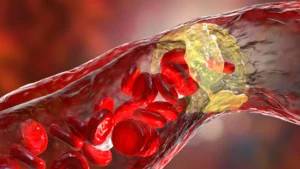
Perhaps the most complex implication of the study involves the use of statins. With approximately 39 million Americans relying on statins to lower cholesterol, the finding that reduced cholesterol production can inadvertently weaken cell-to-cell adhesion creates a medical paradox.
While statins are vital for cardiovascular health, the study suggests that by inhibiting cholesterol production, these drugs might theoretically make it easier for cancer cells to migrate. However, the researchers are careful to clarify that these findings are currently limited to preclinical models. The study has not yet been replicated in human clinical trials, and the team strongly advises that no patient should alter their medication regimen based on these initial laboratory findings.
Official Responses and Expert Perspectives
The research has sent ripples through the oncology community, prompting a re-evaluation of how nutrition and existing drug therapies interact with cancer biology.
"Some cancer cells that survive chemotherapy aren’t dividing anymore, but they’re still biologically active," explained Dr. Aidan Cole. "Instead, they continue to release molecules that send signals to nearby cells. Our study is among the first to show that a nutrient—in this case, fructose—can act as one of those signals."
Dr. Katherine Aird, the senior author of the study and a professor in the Molecular and Cellular Oncogenesis Program at the Ellen and Ronald Caplan Cancer Center, emphasized the potential for future clinical investigation. "We haven’t tested this effect in patients yet, but it raises questions about combining cholesterol-lowering drugs with chemotherapy," she noted. "This is particularly relevant because ovarian cancer is most common in postmenopausal women, a demographic that is often already prescribed statins."
The team remains committed to a cautious, evidence-based approach, noting that while the results are significant, they are currently in the preclinical stage. The focus now shifts toward determining whether these findings are reproducible in larger, more complex models and eventually in human patient cohorts.
Implications for Future Oncology
The potential reach of this discovery extends well beyond ovarian cancer. The biological pathways involved in cell adhesion and metabolic signaling are conserved across many tissue types, suggesting that the "fructose effect" might be a broader phenomenon in oncology.
Expanding the Scope to Other Cancers
Dr. Aird and her colleagues are already looking toward the next phase of research. The team suspects that this mechanism may play a significant role in other cancers that metastasize within the torso, such as pancreatic, colon, and liver cancers. If these findings hold true across other malignancies, it could lead to a paradigm shift in how we treat cancer, moving toward a more holistic view that incorporates metabolic management alongside traditional cytotoxic therapies.
Nutrition as a Clinical Variable
Historically, nutrition has been considered a supportive element of cancer care—a way to maintain strength during treatment rather than a direct variable in the disease’s progression. This study suggests that nutrition may be far more influential. If certain dietary choices can influence the signaling pathways of cancer cells, then dietary intervention could potentially become a secondary, non-toxic therapy used to "starve" the signaling mechanisms that facilitate metastasis.
Future Research Directions
The roadmap for future research is clear:
- Clinical Correlation: Studies are needed to determine if fructose intake levels correlate with metastatic progression in human ovarian cancer patients.
- Statin Interaction Studies: Rigorous investigations are required to understand how statins might interact with chemotherapy in vivo, ensuring that patients receive the benefits of cholesterol management without compromising their oncology treatments.
- Broadening the Focus: Expanding the research to include other abdominal cancers to determine if the metabolic signaling pathway is a universal feature of chemotherapy resistance.
The Wistar Institute’s discovery serves as a powerful reminder of the complexity of cancer. By viewing the tumor not as a monolithic mass, but as a dynamic, communicating network of cells influenced by systemic metabolism, researchers are opening doors to more sophisticated, targeted, and potentially preventive strategies. While the path from the laboratory to the bedside is long, this research offers a compelling new lens through which to view the interplay between our diet, our medicine, and the most aggressive diseases we face.