










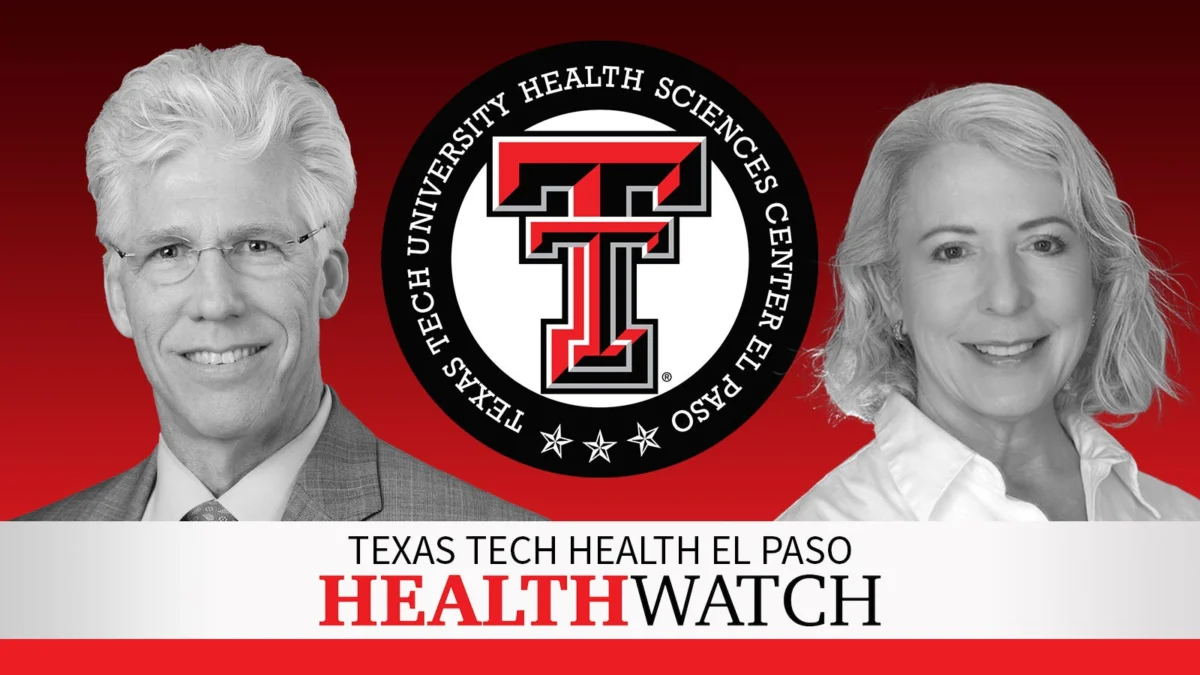
In the latest installment of the TTHealthWatch podcast, a weekly medical review produced by the Texas Tech University Health Sciences Center, hosts Elizabeth Tracey, director of electronic media for Johns Hopkins Medicine, and Dr. Rick Lange, president of Texas Tech Health El Paso, dissect the most pressing clinical research of the week. From revolutionary stroke interventions to long-term Crohn’s disease management and the nuances of neonatal respiratory support, the episode synthesizes complex data into actionable insights for the medical community.
The Evolution of Stroke Intervention: Neuroprotection and Neurorepair
A significant portion of the discussion centered on a pivotal study published in JAMA regarding the treatment of acute ischemic stroke. For years, the gold standard for stroke care has been the rapid restoration of blood flow via thrombolysis (clot-busting medication) or mechanical thrombectomy. However, a large cohort of patients remains ineligible for these interventions due to late hospital presentation or anatomical constraints.
The Role of Loberamisal
Dr. Lange highlighted a promising trial from China involving nearly 1,000 patients, which tested a novel small-molecule compound called loberamisal. Unlike traditional therapies that focus solely on clot removal, loberamisal targets the "post-occlusion" environment. By acting on two critical pathways—the PSD-95 pathway and the GABA pathway—the drug aims to provide both neuroprotection and neurorepair.
Clinical Findings
The study measured recovery using the modified Rankin Scale (mRS), where a score of 0 indicates no residual symptoms and 6 indicates death. Patients receiving a 10-day course of intravenous loberamisal demonstrated a 70% success rate (mRS score of 0–1) at 90 days, compared to 56% in the placebo group. Crucially, the study reported no significant serious adverse events, suggesting a high safety profile.
Future Implications
While thrombolysis and thrombectomy remain the first-line treatments for eligible patients, this study suggests that neuroprotective therapy could serve as an essential adjunct. Dr. Lange noted that as clinical workflows evolve, the standard of care may soon shift toward a "dual-pronged" approach: restoring blood flow immediately while simultaneously administering neuroprotective agents to prevent secondary neurodegeneration.
Crohn’s Disease: The Paradigm Shift to "Top-Down" Therapy
The podcast turned to a five-year follow-up study of the PROFILE trial, published in The Lancet, which challenges the traditional "step-up" treatment approach for newly diagnosed Crohn’s disease.
The "Step-Up" vs. "Top-Down" Debate
Historically, clinicians have been cautious about starting aggressive immunosuppressive therapy immediately, fearing potential side effects such as malignancy or severe infection. Consequently, patients were typically started on steroids, with biologics reserved for those who failed to respond. The PROFILE trial compared this conventional "step-up" method against a "top-down" strategy, where patients received infliximab (a TNF inhibitor) plus an immunomodulator immediately upon diagnosis.
Five-Year Outcomes
The results were compelling. Patients in the top-down cohort experienced significantly fewer disease-related complications over five years. Specifically:
- Surgical Intervention: Only six surgeries were required in the top-down group, compared to 28 in the step-up group.
- Hospitalization: The time to the first Crohn’s-related hospital admission was significantly delayed in the top-down group.
- Efficacy: The study found no significant difference in adverse side effects between the two groups, debunking the myth that early aggressive therapy is inherently more dangerous.
Practice-Changing Implications
Dr. Lange and Tracey agreed that these findings represent a "game changer." The study suggests that treating patients with TNF inhibitors early in the disease course modifies the long-term trajectory of Crohn’s disease, regardless of whether the patient is categorized as "high-risk" or "low-risk" at the time of diagnosis.
Neonatal Care: Rethinking Oxygen Supplementation
In the realm of neonatology, the hosts reviewed a multicenter Australian study focused on the optimal oxygen saturation for preterm infants born between 32 and 35 weeks of gestation.
The Hypoxia-Hyperoxia Balance
For extremely preterm infants (under 32 weeks), high concentrations of oxygen are known to increase the risk of intracranial hemorrhage and retinopathy of prematurity (blindness). However, the optimal oxygen level for the 32–35 week cohort remained ambiguous. The study randomized newborns requiring respiratory support to receive either 21% oxygen (room air) or 30% supplemental oxygen.
Findings and Clinical Takeaways
The trial of over 1,800 newborns found no significant difference in the primary outcome of ongoing respiratory support requirements between the two groups. Out of 12 secondary endpoints, only two showed a marginal benefit for the 30% oxygen group, which researchers described as "hypothesis-generating" rather than definitive. The data underscores a recurring theme in modern medicine: "more is not always better." Just as excessive oxygen was found to be detrimental in heart attack patients, clinicians must be cautious about over-oxygenating neonates who are not clinically hypoxic.
Maternal Diet and the Allergy Paradox
The final topic addressed a high-profile study from the New England Journal of Medicine investigating whether a maternal diet rich in eggs and peanuts could prevent food allergies in high-risk infants.
The Rationale
Given that food allergens can be detected in amniotic fluid and breast milk, the hypothesis was that early exposure to these proteins during pregnancy and lactation would "prime" the infant’s immune system, inducing tolerance.
Study Results
The study followed mothers with a family history of allergic disease, assigning them to either a high-intake diet (six eggs and 60 peanuts per week) or a standard control diet. The results were disheartening: there was no significant reduction in IgE-mediated egg or peanut allergies, nor in the prevalence of eczema, in the infants of the high-intake group.
Methodological Considerations
Tracey noted that the study suffered from a high dropout rate, with roughly one-third of participants failing to complete the protocol. Additionally, the prevalence of egg or peanut allergies in the cohort was lower than anticipated (8% versus the expected 16%), which may have impacted the statistical power of the trial. Despite these limitations, the authors concluded that the dietary intervention did not offer the preventative benefits once hypothesized.
Implications for Clinical Practice
The TTHealthWatch discussion serves as a vital reminder of the iterative nature of evidence-based medicine.
- Stroke Care: As the medical community looks beyond mechanical clot removal, the focus is shifting toward biological preservation of the brain via neuroprotective small molecules.
- Gastroenterology: The transition toward top-down therapy for Crohn’s disease signals a move toward early, aggressive intervention to prevent permanent bowel damage, rather than waiting for failure of less potent therapies.
- Neonatology: The push for standardized oxygen therapy continues to favor conservative, evidence-based targets over empirical "extra" support.
- Allergy Prevention: While maternal diet was once thought to be a primary lever for preventing childhood allergies, current research suggests that maternal intake may not be the silver bullet, emphasizing the need for further exploration of other environmental and genetic triggers.
As Dr. Lange concluded, the synthesis of these findings is essential for healthcare providers who must navigate the "constant influx of new data to make the most informed choices for their patients." Whether it is a stroke patient in the ER or a new parent seeking guidance on allergy prevention, these studies provide the foundation for improved patient outcomes in an ever-changing clinical landscape.