






In a significant development for the U.S. healthcare landscape, the White House has officially withdrawn the nomination of Heidi Overton to serve as the Commissioner of the Food and Drug Administration (FDA). The decision marks a abrupt end to a high-stakes confirmation process that had become a lightning rod for the ideological divisions currently shaping American public health policy.
Overton, who was positioned to be the primary architect of the Trump administration’s vision for the nation’s top food and drug regulator, saw her path to confirmation collapse under the weight of mounting opposition from within the Republican party and influential health-advocacy coalitions. The withdrawal leaves the FDA under the stewardship of acting leadership, prolonging a period of administrative uncertainty that has persisted for much of the year.
The Chronology of a Failed Nomination
The collapse of the Overton nomination was rapid, catching even key legislative allies off guard. For weeks, the White House had prioritized the confirmation, aiming to install a permanent commissioner before the current congressional session concluded.
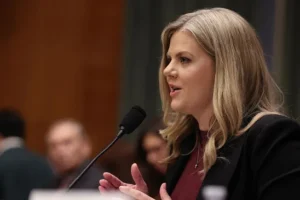
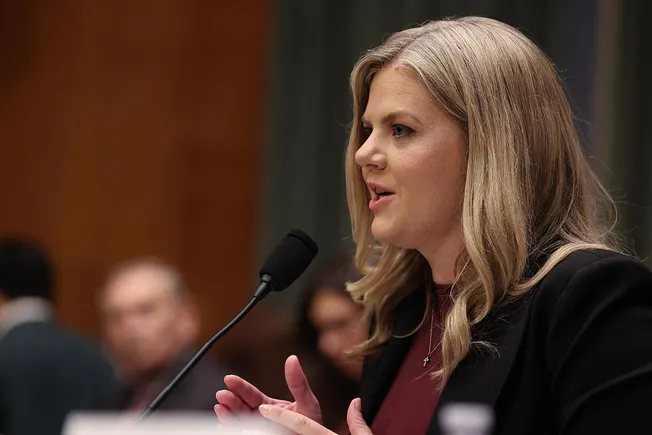
- September 2026: Overton appeared before the Senate Health, Education, Labor and Pensions (HELP) Committee for a confirmation hearing. During her testimony, she attempted to balance the administration’s policy goals with scientific norms, pledging to "follow the law" regarding vaccine policy and acknowledging the established safety profile of the abortion drug mifepristone.
- Early November 2026: Internal cracks began to surface. While Overton received praise from some quarters for her focus on streamlining rare disease drug development, her past positions—specifically regarding the fragmentation of the MMR (measles, mumps, and rubella) vaccine and her advocacy for easing restrictions on flavored vaping products—began to alienate key factions within the conservative caucus.
- November 17, 2026: Reports from Axios signaled that the White House had begun to lose confidence in the viability of her nomination as it became clear she could not secure the necessary support to move through the Senate.
- November 18, 2026: The scheduled vote was abandoned. Committee Chairman Bill Cassidy (R-LA) confirmed the withdrawal during a committee hearing, expressing his disappointment and noting that he had previously been satisfied with Overton’s private assurances regarding her commitment to evidence-based decision-making.
Policy Fractures: The "MAHA" Factor and Regulatory Ideology
The downfall of Heidi Overton serves as a case study in the current tension between traditional pharmaceutical industry interests and the rising influence of "Make America Healthy Again" (MAHA) advocacy groups.
Overton’s nomination was caught between two competing worlds. On one hand, she advocated for pro-industry policies, including the return of expert advisory panels—which had been sidelined during the turbulent tenure of her predecessor, Marty Makary—and a greater reliance on career staff scientists. These measures were widely viewed as a necessary pivot toward stability and predictability, factors essential for biotech investment and drug development.
However, her alignment with the administration’s more controversial health priorities proved to be a liability. Specifically, her support for President Trump’s proposal to divide the MMR vaccine into three separate doses drew sharp criticism from public health experts and skepticism from lawmakers who feared the policy lacked a clinical basis. Furthermore, her stance on flavored vapes and the ongoing scrutiny surrounding the FDA’s regulation of mifepristone created a "perfect storm" of opposition.
Anti-abortion groups, which have been pressuring the FDA to conduct a comprehensive safety review of mifepristone, found her reassurances insufficient. Despite the fact that the FDA has already launched a study—with results expected in March 2027—these groups remained wary of her long-term commitment to potentially restricting access to the drug.
Official Responses and Legislative Fallout
The reaction to the withdrawal from Capitol Hill was characterized by surprise and frustration. Senator Bill Cassidy, who had led the charge to facilitate the confirmation, spoke candidly about the process. "I think she would have had the votes to pass out of a committee and to pass the full Senate," Cassidy stated at Wednesday’s hearing. He lamented the loss of momentum, noting that the window of opportunity to install a permanent leader under the current legislative alignment had likely closed, effectively punting the responsibility to the next Congress.
The White House has yet to provide a definitive roadmap for the next nomination, but reports from Semafor have already identified potential candidates. Among those mentioned is Senator Roger Marshall, a physician from Kansas who recently concluded his term. Industry analysts note that Marshall, if nominated, would likely be viewed through a different lens than Overton. While Overton was seen as a technocratic pick with some ideological baggage, Marshall is regarded as consistently "industry-friendly" and "pro-innovation," potentially offering a smoother path to confirmation for a White House desperate to avoid another failed effort.
Implications for the FDA and the Biotech Sector
The FDA has been in a state of flux since the resignation of Marty Makary, whose tenure was defined by erratic decision-making and high-level personnel turnover. Since May, Kyle Diamantas, the agency’s deputy commissioner for food, has served as the acting commissioner.
Under federal law, the Vacancies Act limits the term of an acting official to 210 days. The withdrawal of Overton has, perhaps inadvertently, reset this clock, providing the administration with more breathing room. However, this legal grace period does not solve the underlying issue of administrative stability.
Impact on Industry Stability
For the biotech and pharmaceutical sectors, the lack of a permanent commissioner is a double-edged sword. On one hand, the internal efforts to reverse some of the more controversial Makary-era decisions have already begun to restore a sense of normalcy. As RBC Capital Markets analyst Brian Abrahams noted, the agency’s day-to-day operations are currently "running reasonably smoothly."
On the other hand, the absence of a confirmed leader creates long-term strategic uncertainty. Investors look to the FDA commissioner to set the tone for regulatory reviews, drug approvals, and policy shifts. Without a permanent head, there is a risk that the agency could revert to "maintenance mode," stalling critical reforms aimed at accelerating the approval process for rare disease drugs—a policy area that Overton had championed.
Future Outlook
The "MAHA" movement’s influence on the nomination process indicates that the path to confirming a new commissioner will remain fraught with political landmines. Any future nominee will be forced to navigate the same narrow corridor that claimed Overton: satisfying the conservative base’s demands for radical health policy shifts while maintaining the credibility required to satisfy the pharmaceutical industry and the broader scientific community.
As the administration weighs its next move, the FDA remains a ship in wait. Whether the White House chooses to nominate a seasoned political figure like Senator Marshall or opts for another academic or industry expert, the core challenge remains the same: balancing the political imperatives of the executive branch with the statutory requirement that the FDA base its decisions on the gold standard of scientific evidence.
For now, the agency remains in the hands of acting leadership, and for the biotech sector, the hope is that the stability gained over the last several months is not sacrificed in the upcoming rounds of political maneuvering. The next few months will be critical, not just for the personnel at the top of the FDA, but for the trajectory of American medicine in the coming years.