







By Henry Bair, MD, MBA
November 18, 2026
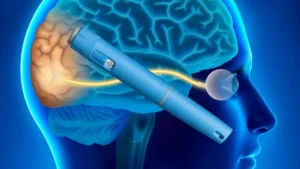
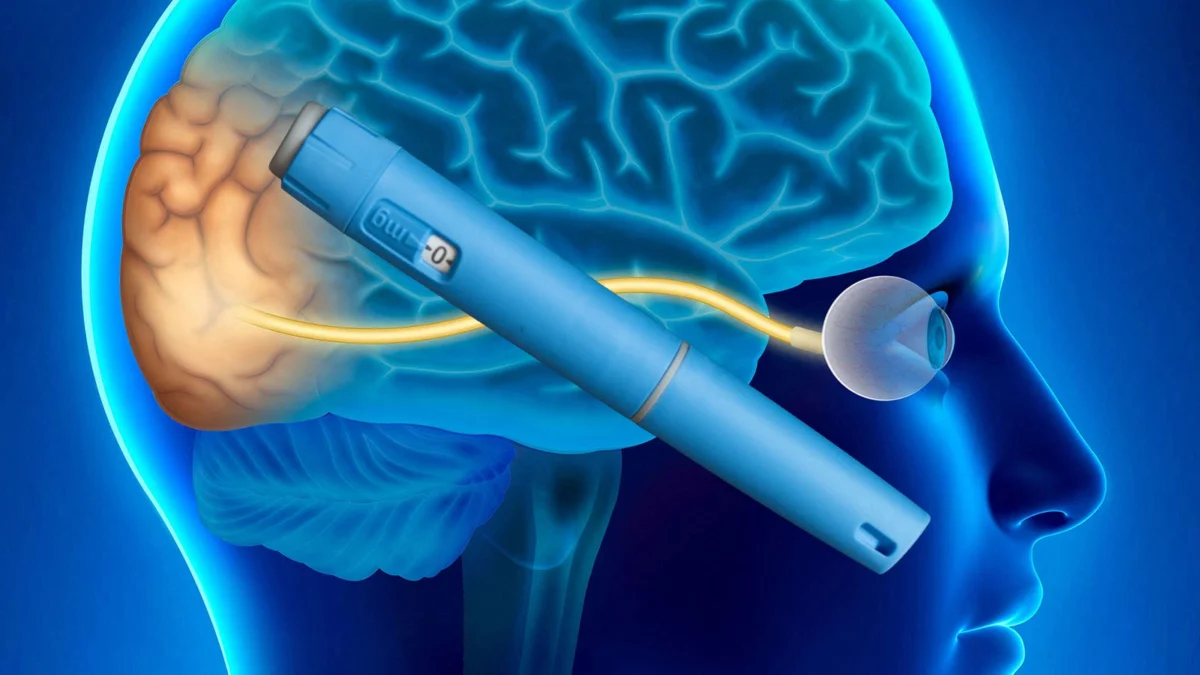
When a patient experiences sudden, painless vision loss in one eye while on a GLP-1 receptor agonist, the clinical environment shifts immediately from routine management to an urgent diagnostic crisis. The primary concern is often the diagnosis of non-arteritic anterior ischemic optic neuropathy (NAION), a condition marked by insufficient blood flow to the optic nerve.
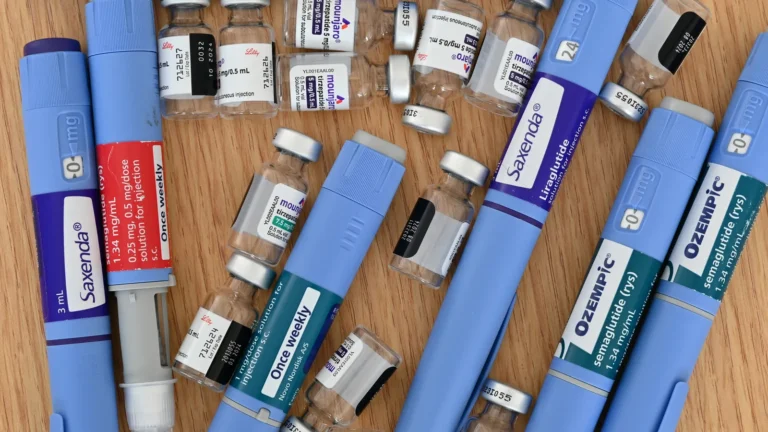
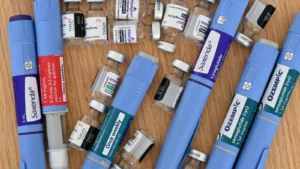
Following the FDA’s landmark decision on November 9, 2026, to mandate updated warning labels across the entire GLP-1 class—including heavy hitters like semaglutide (Ozempic, Wegovy) and tirzepatide (Zepbound, Mounjaro)—the medical community faces a new, complex frontier. While the warning acknowledges a potential link between these life-altering medications and NAION, it leaves clinicians and patients grappling with a critical, unresolved question: Once a diagnosis is made, should the patient stop, continue, or switch their medication?
The Clinical Reality of NAION and GLP-1 Usage
NAION is a devastating ocular event. It occurs when the optic nerve—the eye’s "cable" to the brain—is starved of blood, leading to sudden, often permanent, and irreversible visual impairment. It is typically discovered by patients upon waking, with no warning signs or physical pain.
For the millions of Americans utilizing GLP-1s, the risk profile of these drugs has suddenly become a central part of the conversation. According to a March 2026 KFF poll, approximately one in eight U.S. adults is currently taking a GLP-1, and one in five has used them at some point. As these medications have become pillars for treating type 2 diabetes, obesity, and associated cardiovascular risks, their ubiquity means that even "rare" side effects have the potential to affect a significant number of people.
As an ophthalmologist, I have spent the last two years screening for this exact correlation. While the FDA’s new labeling is a necessary step toward transparency, it represents only the beginning of our duty to the patient. We must move beyond simply acknowledging a risk to actively studying the longitudinal outcomes of post-diagnosis treatment decisions.
Chronology of Regulatory Action and Clinical Observation
The trajectory toward the current FDA mandate was paved by years of mounting concern and observational data.
- Early 2024–2025: Initial anecdotal reports and small-scale clinical observations began to surface in ophthalmology literature, suggesting a possible temporal relationship between GLP-1 initiation and sudden ischemic optic nerve damage.
- Late 2025: Large-scale studies and meta-analyses began to quantify the incidence rates, with researchers noting that while the absolute risk remains low, the potential for permanent visual morbidity warranted a formal federal investigation.
- November 9, 2026: The FDA formally mandates updated warnings for all GLP-1 medications, advising clinicians to engage in a risk-benefit analysis when a patient experiences NAION.
- Present Day: The medical community is now in a "wait-and-see" mode, though as I argue, this is insufficient. We need a proactive, structured research framework to determine the safest clinical pathway for patients who have already suffered a NAION event.
Supporting Data: The Evidence Gap
The FDA’s identification of 15 probable NAION cases across 126 clinical trials provides a sobering look at the statistics. These cases translated to roughly six per 100,000 patient-years among GLP-1 users, compared to four per 100,000 for those on placebo or alternative diabetes therapies. While the gap is statistically notable, it remains difficult to decouple the medication’s effect from the underlying pathologies (diabetes, hypertension, obesity) that necessitated the treatment in the first place.
The Problem with Current Surveillance
One major FDA-sponsored study, designed to assess the risk of NAION, intentionally excluded patients with pre-existing optic nerve damage. While this provided a "clean" look at new-onset cases, it left a massive blind spot: we have no clear data on what happens to the second eye when a patient who has already experienced NAION continues to take a GLP-1.
A recent analysis presented at the American Academy of Ophthalmology’s annual meeting suggests that among patients who suffer bilateral NAION, the second eye is affected significantly faster in those taking GLP-1 medications. However, this observation is correlative. We do not yet know if the drug accelerated the event or if the underlying systemic condition, if left untreated by the GLP-1, would have resulted in the same outcome.
Official Responses and Global Disparities
Regulatory bodies worldwide have not taken a uniform approach to this dilemma. The European Medicines Agency (EMA) has taken a more aggressive stance, explicitly recommending that semaglutide be discontinued if a diagnosis of NAION is confirmed.
In contrast, the FDA’s guidance is more nuanced, suggesting that clinicians weigh the risks against the benefits. This places a heavy burden of responsibility on the physician-patient relationship. In cases where a patient is using a GLP-1 to manage severe, insulin-resistant diabetes or to reduce the risk of imminent cardiovascular events, the "benefit" of the medication may be life-saving. Conversely, the "harm" is the potential for total or near-total blindness.
This requires a multidisciplinary approach—involving endocrinologists, primary care physicians, and ophthalmologists—to make a decision that is as much about quality of life as it is about clinical safety.
Implications: The Path Forward
The uncertainty surrounding NAION and GLP-1s should not lead to paralysis. Instead, it should serve as a catalyst for a robust, federalized research mandate.
A Call for Targeted Surveillance
The FDA possesses the authority under federal law to require manufacturers to support post-marketing surveillance studies when safety concerns are elevated. We must leverage this. I propose a national registry—a collaboration between academic medical centers and community eye clinics—that tracks:
- Treatment History: The specific GLP-1 molecule and dosage.
- Clinical Intervention: Whether the medication was stopped, continued, or swapped for an alternative.
- Long-term Visual Outcomes: Serial monitoring of the unaffected eye (or the remaining vision in the affected eye).
- Systemic Health Metrics: Tracking the patient’s diabetes control and metabolic markers following any medication changes.
Accountability and Transparency
Any such study must be insulated from corporate influence. Funding should be disclosed, and data analysis must be conducted by independent researchers. Furthermore, the FDA must publish its research protocols and provide regular, transparent updates to the public.
Patients facing the decision to continue or abandon a life-saving medication cannot wait years for the perfect study. They deserve to know what the current trends suggest and what the uncertainties are.
Final Reflections
The current situation is a quintessential example of the "gray zone" in modern medicine. We have a powerful class of drugs that saves lives and prevents systemic complications, but which may pose a rare yet catastrophic risk to vision.
The next patient who sits in my exam chair, worried about their vision and their diabetes, deserves more than just a warning label. They deserve the fruits of a rigorous, systematic effort to understand the downstream consequences of our treatment decisions. If we do not act to bridge this knowledge gap now, we are failing to provide the evidence-based care that modern medicine promises. We owe it to the next patient to build a knowledge base that is as reliable as the medications they take.