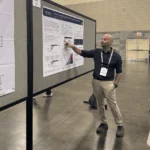





The global pursuit of cancer immunotherapy has reached a pivotal juncture. As the field moves beyond the initial breakthroughs of checkpoint inhibitors, the focus has shifted toward a more nuanced, multifaceted understanding of the tumor microenvironment and the complex regulatory circuits of the human immune system. This evolution was on full display at the Society for Immunotherapy of Cancer’s (SITC) 41st Annual Meeting, held in Phoenix, Arizona, from November 4–8, 2026.
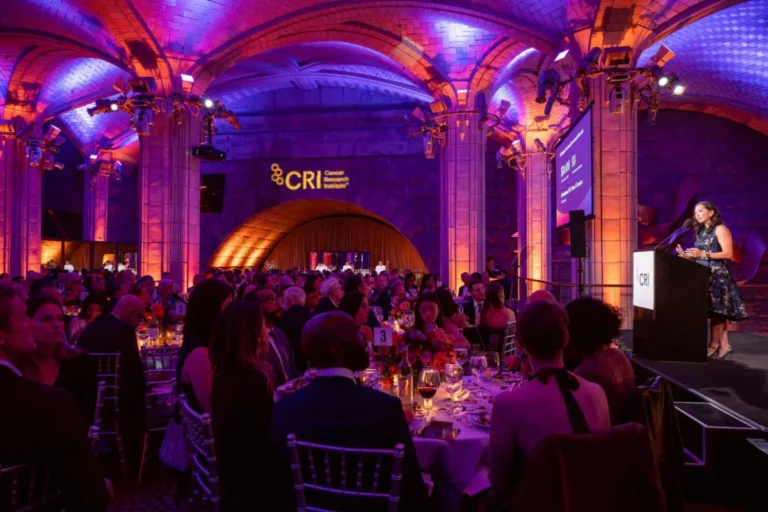
The gathering served as a high-level convergence of global talent, bringing together the researchers, clinicians, and technology pioneers responsible for the next generation of cancer treatments. Central to this year’s proceedings was a renewed emphasis on collaboration—specifically the inaugural partnership between the Cancer Research Institute (CRI) and SITC to launch the CRI William B. Coley Award Lecture.
The Main Event: A New Era of Collaboration
The 2026 SITC meeting was defined by a spirit of integration. With hundreds of scientific presentations and thousands of attendees, the conference underscored a collective realization: solving the riddle of cancer will not come from a single "magic bullet" but from the synergistic application of cell therapy, personalized medicine, and precision diagnostics.
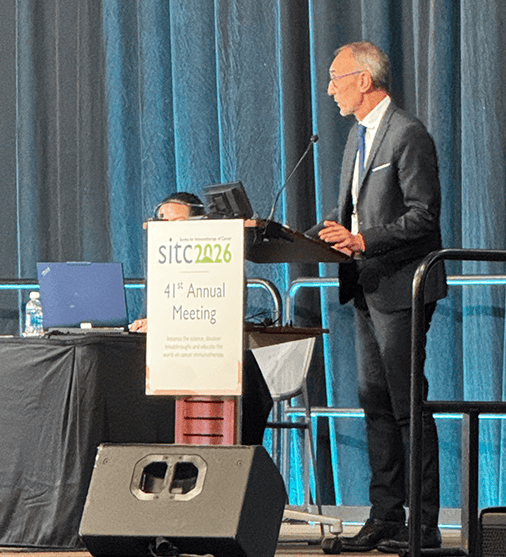
A significant highlight was the inaugural CRI William B. Coley Award Lecture at SITC, which honored Dr. Éric Vivier for his foundational contributions to the study of natural killer (NK) cells. By recognizing the critical role of innate immunity, Dr. Vivier’s work has provided the scaffolding for new therapeutic strategies that aim to prime the body’s first line of defense against malignant growths.
"There is a very complementary role for CRI and SITC to move the future of cell cancer immunotherapy forward," noted Dr. Sandra Demaria, Vice President of SITC. "By accelerating discovery and supporting young investigators, we are fundamentally stronger together."
Chronology of Scientific Discovery
The week-long event unfolded through a series of key sessions that traced the history and the future of the field:
- November 4–5: The opening days focused on the foundational biology of T-cell recognition. Keynote speaker Dr. Ton Schumacher provided a deep dive into the mechanisms by which T cells identify cancer, exploring the paradox of why these cells often congregate at the perimeter of a tumor without successfully infiltrating the core.
- November 6: The focus shifted to clinical applications, with the Richard V. Smalley Memorial Award and Lectureship presented to Dr. Catherine J. Wu. Dr. Wu’s presentation offered a masterclass in the development of personalized cancer vaccines, highlighting recent successes in phase 3 melanoma trials that demonstrated a significant reduction in recurrence when vaccines were combined with standard checkpoint immunotherapy.
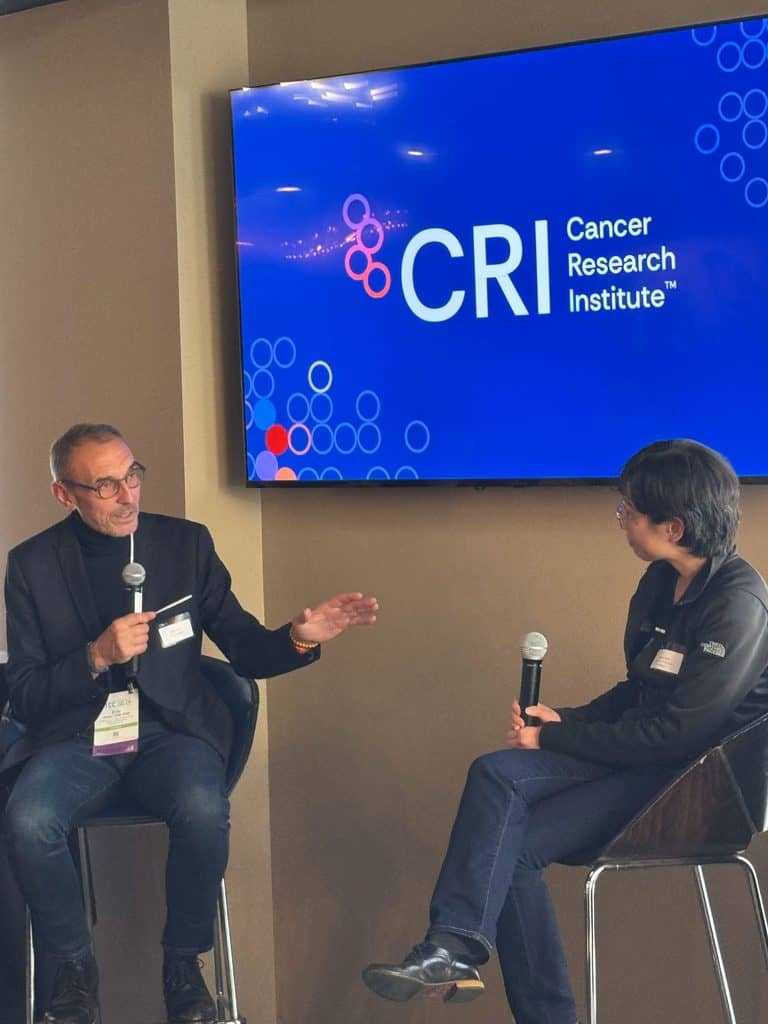
- November 7: The "CRI Conversations" series took center stage, featuring a fireside chat between Dr. Éric Vivier and Dr. Yvonne Chen. This session bridged the gap between basic research and the technological requirements of modern cell therapy.
- November 8: The conference concluded with a look at the "next frontier"—addressing tumor metabolism, the role of the gut microbiome, and the integration of artificial intelligence in experimental design.
Supporting Data and the Technological Shift
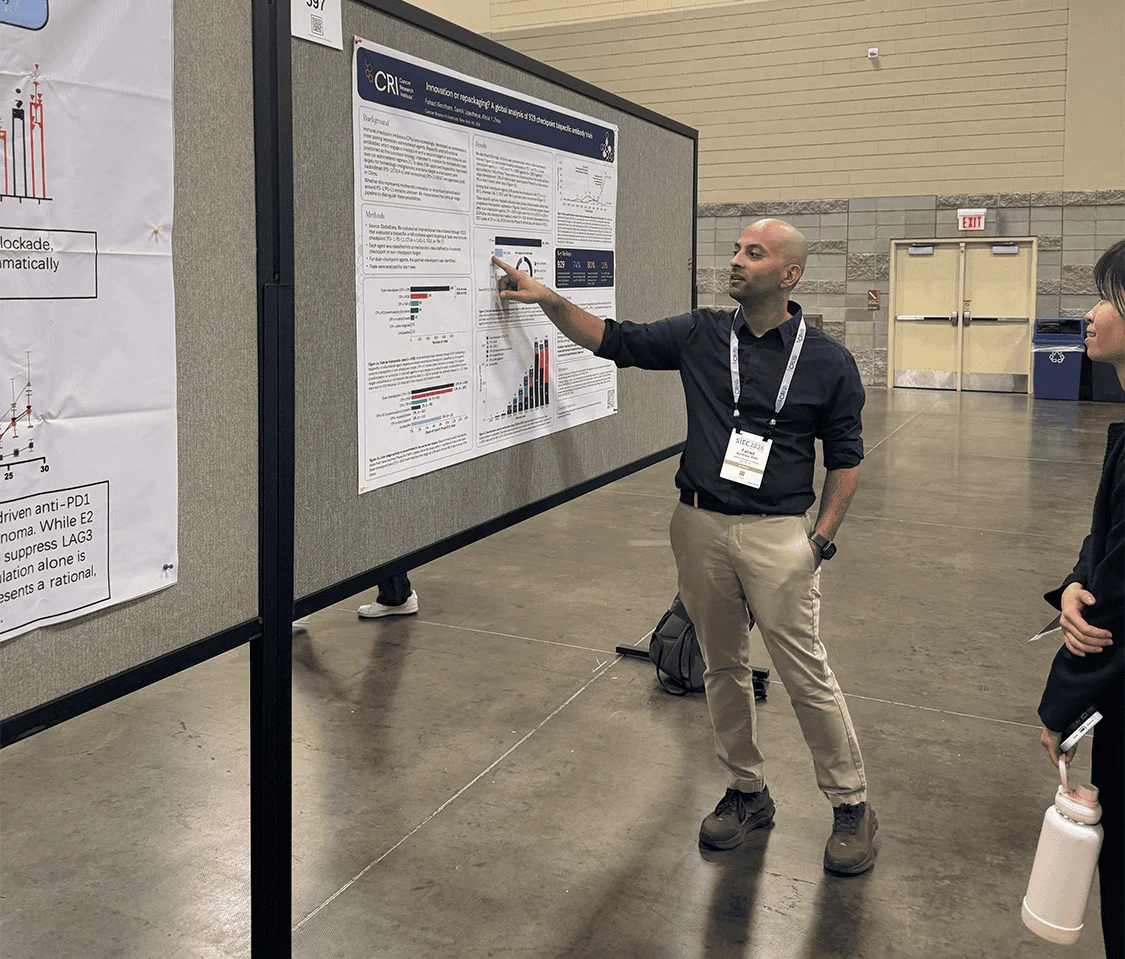
Data presented throughout the week underscored that the field is entering an era of "intelligent" immunotherapy. Fahad Benthani, PhD, a research scientist at CRI, presented an extensive analysis of the current clinical trial landscape, mapping out the trends that are shaping future investment and research priorities.
One of the most provocative sessions involved a debate on the traditional "hot vs. cold" tumor classification. Experts like Dr. Antoni Ribas and Dr. Brian Brown argued that these labels, while useful in the past, may be overly simplistic. The conversation highlighted that the location and spatial organization of immune cells—a field now known as spatial biology—is far more predictive of treatment outcomes than the mere presence or absence of immune activity.
The AI Imperative
Artificial Intelligence dominated the discourse, not as a replacement for human intellect, but as an essential accelerator. Dr. Yvonne Chen shared a compelling anecdote during the CRI Conversations, noting that her team used AI to re-analyze a complex, dormant dataset. In just hours, the AI identified potential patterns and generated figures that would have taken researchers weeks to produce. However, both Dr. Chen and Dr. Vivier offered a sobering caveat: AI tools often produce "hallucinations" or errors. They urged the next generation of scientists to use AI as a tool for hypothesis generation rather than a final arbiter of truth.
Official Perspectives: The Role of Philanthropy
The logistical reality of cancer research is that "good science" is not enough—it requires sustained, long-term funding. During the panel discussions, the CRI team emphasized that philanthropic support often acts as the "risk capital" of the medical world.
"CRI gives us full liberty to explore the craziest ideas that no one else would fund," said Dr. Justin Eyquem, a 2026 Lloyd J. Old STAR. "It is often from these disruptive, high-risk concepts that we develop entirely new categories of drugs."
This sentiment was echoed by Dr. Luiz Geraldo, an inaugural CRI IGNITE Fellow, who noted that the translation of laboratory discoveries into bedside treatments is a process spanning decades. "This support is essential to guarantee that the next generation of scientists ensures things are moving forward and not backward," he stated. The message from leadership was clear: the path from a lab bench to a patient’s bedside is paved with failure, and only through patient, long-term investment can breakthroughs be sustained.
Implications for the Future of Cancer Care
The 41st SITC meeting concluded with a clear consensus: the next decade of cancer immunotherapy will be defined by combination strategies. The era of focusing on a single cell type or a single pathway is giving way to a more holistic approach that considers the patient’s entire biological environment—from their metabolic health and diet to the genetic architecture of their specific tumor.
Key Implications include:
- Spatial Precision: Future treatments will prioritize the spatial distribution of immune cells within the tumor, moving away from binary "hot/cold" classifications toward granular, location-based therapies.
- Engineering In Vivo: Advances in genetic engineering are moving toward allowing immune cells to be modified directly inside the body, potentially lowering the costs and complexities associated with current CAR-T therapies.
- Metabolic Modulation: Research from leaders like Dr. Greg Delgoffe and Dr. Marcel van den Brink suggests that we can "supercharge" immunotherapy by manipulating diet and the gut microbiome, turning the patient’s own metabolism into a therapeutic lever.
- Sustainability of Innovation: The role of private foundations in supporting "nascent" technology—as seen with Dr. Brian Brown’s work—is now recognized as a critical pillar of the global research ecosystem.
Conclusion: Beyond the Science
The meeting was not purely academic. As is tradition, the SITC house band, "The CheckPoints," provided a moment of levity on Saturday night. Composed of world-renowned oncologists and immunologists, the band serves as a poignant reminder that the individuals leading the fight against cancer are, at their core, human beings driven by a shared curiosity and a desire to heal.
As the scientific community departs Phoenix, the takeaway is one of cautious optimism. The tools at our disposal—personalized vaccines, engineered cell therapies, and AI-driven diagnostics—are more powerful than ever. Yet, the challenges remain immense. By fostering a culture of collaboration, investing in the next generation of "disruptive" thinkers, and maintaining a focus on the fundamental biology of the immune system, the field of immunotherapy continues to move closer to its ultimate goal: a future where cancer is not merely treated, but effectively managed and cured.
The 41st Annual Meeting of SITC has set the stage for what promises to be a transformative era in medicine, where the boundaries of what is possible are being pushed further each day.