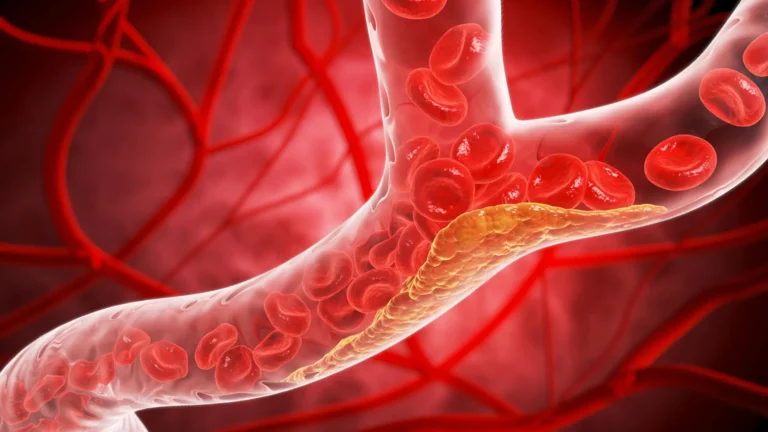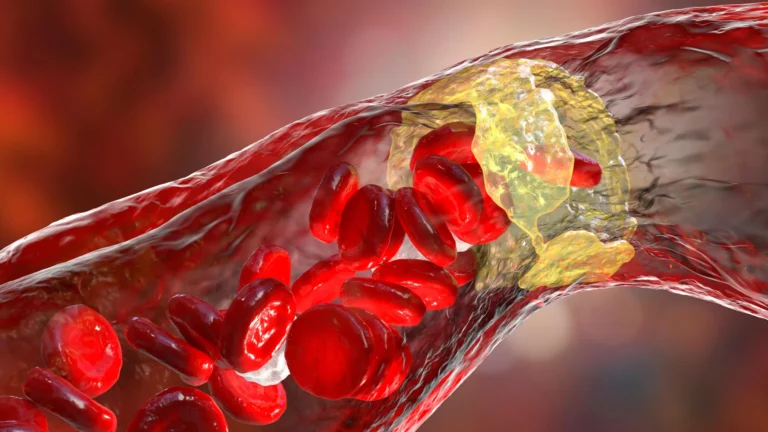








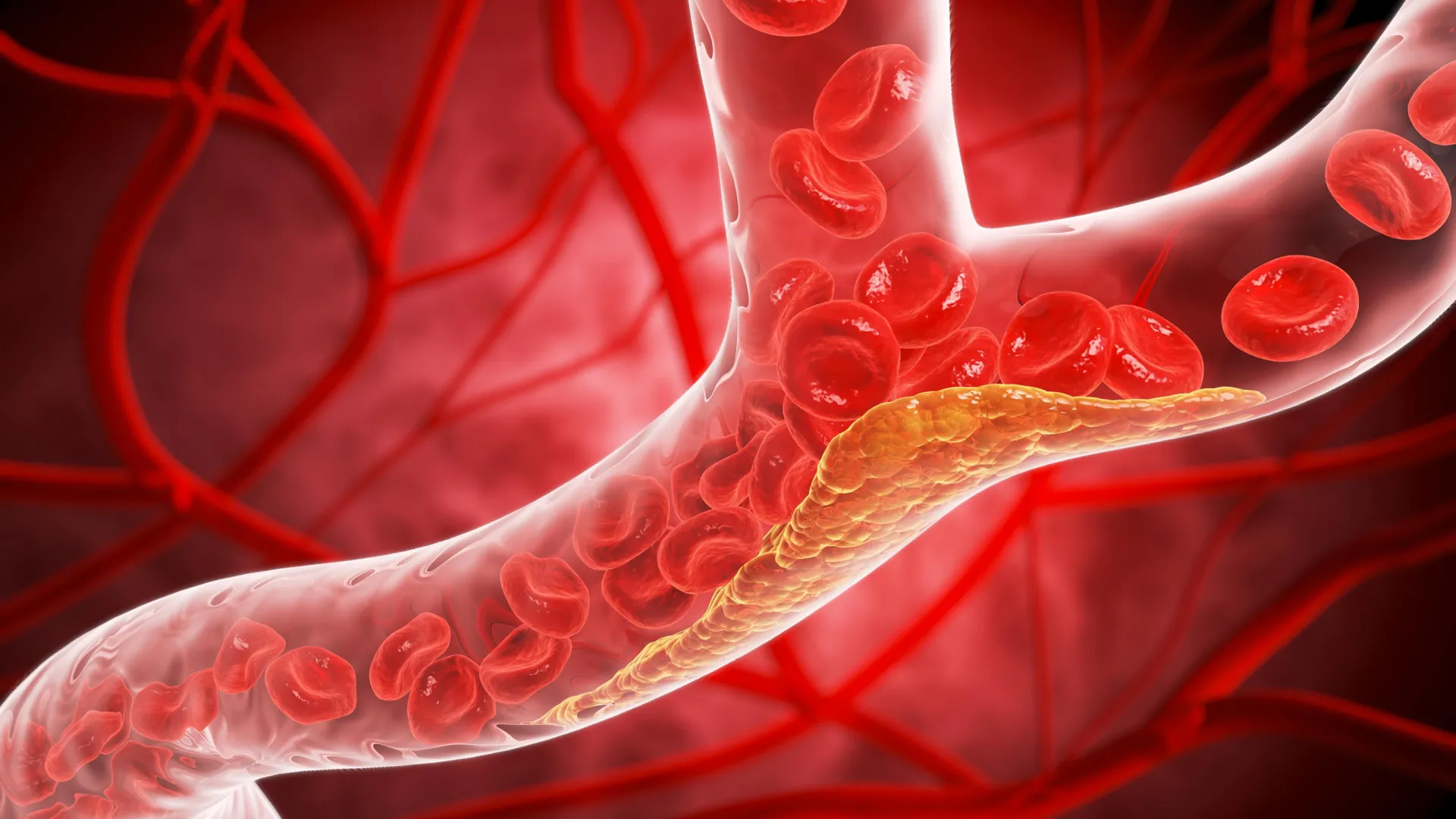
In a potential paradigm shift for cardiovascular medicine, an experimental oral medication known as enlicitide has demonstrated the ability to slash "bad" cholesterol levels by as much as 60%. The findings, published in The New England Journal of Medicine (NEJM), arrive as the medical community continues to search for more accessible ways to manage atherosclerosis—the underlying cause of most heart attacks and strokes.
For the millions of Americans struggling to reach their target lipid goals despite adherence to traditional statin therapy, enlicitide offers a compelling new horizon. By combining the efficacy of injectable biological therapies with the convenience of a daily pill, the drug could fundamentally reshape how physicians approach long-term heart disease prevention.
The Core Breakthrough: Efficacy Meets Convenience
The Phase 3 clinical trial, which enrolled 2,909 participants, represents a landmark achievement in pharmacological research. The study focused on individuals with established atherosclerotic cardiovascular disease or those at high risk due to related health conditions. Despite the fact that the vast majority of participants were already receiving statin therapy—the gold standard of cholesterol management—their LDL cholesterol levels remained stubbornly high, averaging 96 mg/dl.
After 24 weeks of daily treatment, participants receiving enlicitide experienced a 60% reduction in LDL cholesterol compared to those receiving a placebo. Beyond the primary endpoint of LDL reduction, the drug also significantly lowered other atherogenic markers, including non-HDL cholesterol, apolipoprotein B, and lipoprotein(a). Most importantly, these gains were not merely transient; the reductions were sustained throughout a full year of follow-up observation.
"These reductions in LDL cholesterol are the most we have ever achieved with an oral drug by far since the development of statins," said Dr. Ann Marie Navar, M.D., Ph.D., a cardiologist and Associate Professor of Internal Medicine at UT Southwestern Medical Center, who led the trial.
A Scientific Legacy: From Nobel Prizes to Daily Pills
The development of enlicitide is not an overnight sensation; it is the culmination of decades of rigorous scientific investigation, much of which traces its roots back to the laboratories at UT Southwestern.
The Foundation of Modern Cardiology
The journey began in the 1970s and 80s, when researchers Michael Brown, M.D., and Joseph Goldstein, M.D., identified the LDL receptor on liver cells. Their discovery—which revealed the biological mechanism the body uses to clear cholesterol from the bloodstream—earned them the 1985 Nobel Prize in Physiology or Medicine. This foundational work provided the blueprint for statins, which have saved countless lives by stimulating the liver to increase the number of LDL receptors.
The PCSK9 Revolution
The next major leap occurred via the Dallas Heart Study, led by Helen Hobbs, M.D., and Jonathan Cohen, Ph.D. Their research uncovered a genetic anomaly: some individuals possessed natural, life-long low LDL cholesterol due to mutations that reduced the production of the PCSK9 protein.
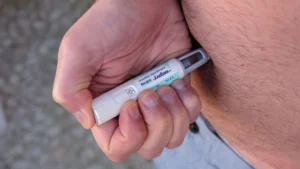
The PCSK9 protein acts as a "brakes" system for the liver, limiting the number of available LDL receptors. By inhibiting this protein, scientists realized they could drastically increase the liver’s capacity to clear cholesterol. This insight led to the creation of injectable PCSK9 inhibitors—monoclonal antibodies and RNA-based therapies that mimic these genetic advantages. While drugs like evolocumab and alirocumab are remarkably effective, they are administered via injection, a factor that has historically hindered their widespread adoption.
Bridging the Gap: Why Current Therapies Fail to Reach the Masses
Despite the proven efficacy of injectable PCSK9 inhibitors, they remain underutilized in real-world clinical practice. Dr. Navar points to a confluence of factors that have limited their reach, including initial high costs, complex insurance authorization processes, and a general hesitation among both physicians and patients toward self-injection.
"Fewer than half of patients with established atherosclerotic cardiovascular disease currently reach LDL cholesterol goals," Dr. Navar noted. "An oral therapy this effective has the potential to dramatically improve our ability to prevent heart attacks and strokes on a population level."
For many, the physical barrier of an injection—combined with the psychological burden of chronic disease management—creates a "therapeutic inertia." By packaging the same powerful PCSK9-inhibiting technology into a once-daily oral pill, enlicitide addresses the primary hurdle of patient adherence. If patients find the treatment regimen easy to maintain, the potential for better population-level health outcomes is immense.
Clinical Implications and Future Outlook
The implications of these trial results extend far beyond mere numbers on a lab report. The medical community is currently waiting for the conclusion of an ongoing clinical trial designed to prove that the 60% reduction in LDL cholesterol translates directly into a measurable decrease in clinical events, such as heart attacks, strokes, and cardiovascular-related deaths.
The Reality of "High-Intensity" Limits
The study population was intentionally designed to reflect the realities of the modern cardiologist’s office. Even patients on high-intensity statin regimens often find themselves struggling to reach recommended targets—typically 70 mg/dl for those with atherosclerosis and 55 mg/dl for higher-risk individuals.
"The study population reflects what we see in clinical practice," Dr. Navar explained. "Even the highest intensity statins are often not enough to get people to their cholesterol goals." By providing a potent, oral adjunct, enlicitide offers a "missing piece" to the puzzle of aggressive lipid management.
Next Steps for FDA Approval
With the publication of the Phase 3 data in the New England Journal of Medicine, the pathway to Food and Drug Administration (FDA) approval is now in motion. If the drug is greenlit, it will mark the first time a pill has achieved the potency previously reserved for injectable biologics in the cholesterol space.
While the study was sponsored by Merck & Co. Inc., and Dr. Navar has disclosed consulting fees from Merck and other pharmaceutical companies, the independent scientific community remains optimistic about the drug’s potential to democratize high-level cholesterol care.
Conclusion: A New Era of Cardiovascular Health
The story of enlicitide is one of scientific continuity. It honors the legacy of Nobel laureates like Brown and Goldstein while integrating the genetic insights of the Dallas Heart Study. It acknowledges the limitations of current injectable therapies and offers a solution that prioritizes patient accessibility.
As the scientific community awaits the definitive mortality and morbidity data from upcoming trials, the current results provide a strong sense of hope. Cardiovascular disease remains the leading cause of death globally, but with tools like enlicitide on the horizon, the prospect of reducing the burden of heart disease is becoming more tangible than ever before.
For the millions of patients who have spent years navigating the limitations of statins and the inconvenience of injections, this new oral therapy represents more than just a chemical breakthrough—it represents a chance for a longer, healthier life, managed with the simplicity of a daily routine.
Disclosure and Acknowledgments:
The research presented was funded by Merck Sharp & Dohme, a subsidiary of Merck. Dr. Ann Marie Navar has disclosed receipt of consulting fees from Merck and other pharmaceutical companies involved in lipid-lowering therapies. The study participants and investigators acknowledge the long-standing support of the Peter O’Donnell Jr. School of Public Health at UT Southwestern Medical Center.