











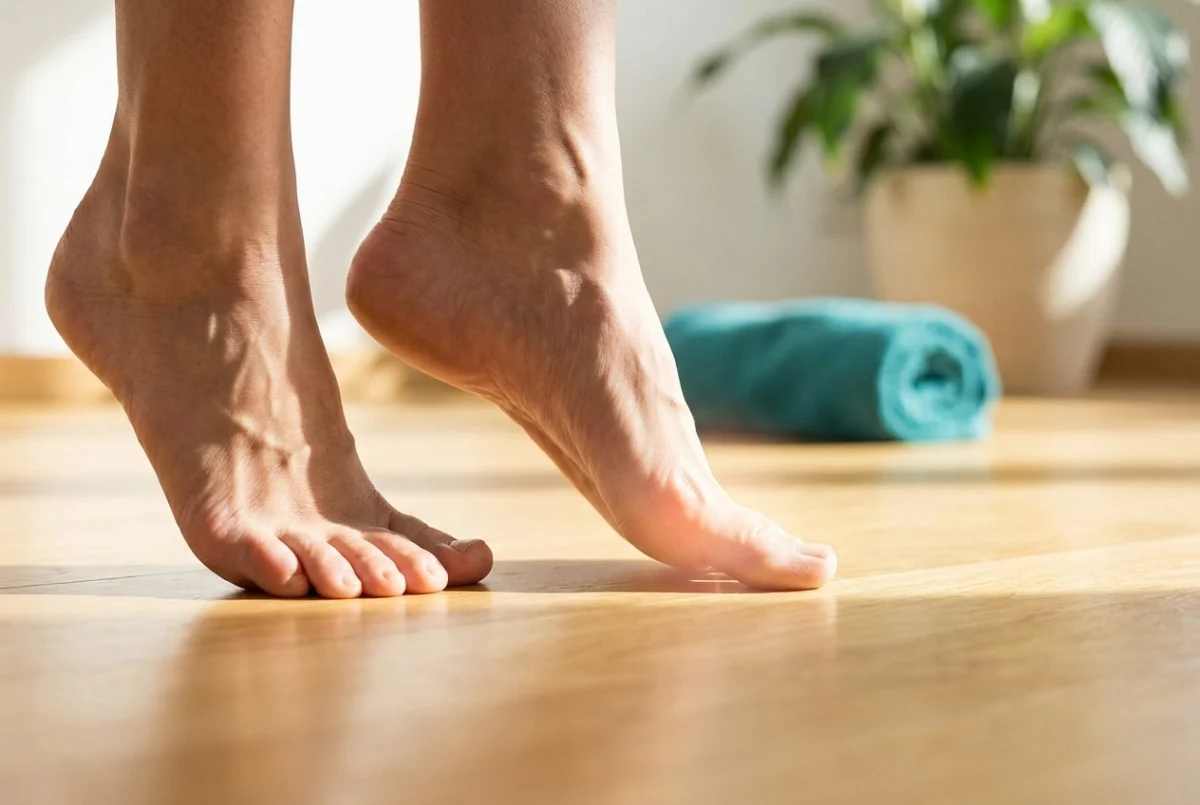
Bunions—clinically referred to as hallux valgus—have become one of the most pervasive orthopedic conditions in the modern era. Affecting approximately one in three adults, this bony deformity at the base of the big toe is more than a cosmetic concern; it is a structural challenge that can fundamentally alter a person’s gait, balance, and long-term mobility. As sedentary lifestyles and specific footwear choices continue to shape modern foot health, physical therapists are increasingly emphasizing the role of targeted "foot-control" exercises as a first line of defense.
The Anatomy of a Bunion: Main Facts
At its core, a bunion is a progressive structural misalignment. It occurs when the big toe (the hallux) begins to angle inward toward the smaller toes. This lateral angulation pushes the first metatarsal bone—the long bone behind the big toe—outward, creating the characteristic "bony bump" at the medial aspect of the foot.
The deformity is not merely a superficial growth; it is a functional shift. As the joint becomes more prominent, the protective bursa (a fluid-filled sac) over the joint often becomes inflamed, leading to the redness, swelling, and sharp pain associated with the condition. Over time, this misalignment can trigger secondary complications, such as overlapping toes, corn formation, and the development of hammer toes, as the rest of the foot attempts to compensate for the big toe’s loss of leverage.
A Chronological Perspective on Foot Health
The history of the bunion is inextricably linked to the evolution of human footwear and environmental stressors.
- Pre-Industrial Origins: While ancestral populations typically displayed better foot alignment, historical records suggest that even in ancient times, the use of restrictive footwear created early instances of hallux valgus.
- The Rise of Modern Footwear (Late 20th Century): With the mass production of narrow-toed, high-heeled, and rigid-soled shoes, the prevalence of bunions surged. By the early 2000s, clinical studies began documenting a sharp uptick in foot-related pathologies.
- 2012–2018: Research published in outlets such as NaturalNews highlighted that faulty mechanics—specifically the way weight is distributed during walking—were primary drivers of foot degradation. Experts began shifting the narrative from "shoes cause bunions" to "shoes aggravate an underlying structural predisposition."
- 2026: Recent reports indicate that the "foot health crisis" has reached a critical threshold, with nearly 50% of Americans over the age of 50 reporting significant foot pain, largely attributed to decades of walking on hard surfaces in ill-fitting shoes.
Supporting Data: Why Some Are More Vulnerable
Bunions are rarely the result of a single factor. Instead, they are the manifestation of a "perfect storm" involving genetics, biomechanics, and external environmental stresses.
The Genetic Component
Inherited foot structure is the strongest predictor of bunion development. Characteristics such as ligament laxity, joint shape, and even the natural length of the first metatarsal can predispose an individual to hallux valgus. If a person has a family history of bunions, they may develop the condition earlier in life and with less external provocation than those without a genetic predisposition.
The Mechanical Mismatch
Physical therapist Duke Pan, in a recent interview, highlighted the importance of force distribution. In an ideal walking cycle, force should land on the heel, transition along the outer edge of the foot, and finally shift inward to the big toe for the "toe-off" phase of the gait.
When a person wears high heels or shoes with narrow toe boxes, the forefoot is compressed. This forces the big toe into a cramped position, preventing it from bearing weight correctly. Consequently, the load is shifted to the wrong parts of the foot, straining the joint at the base of the big toe. This mirrors the findings in 1001 Tips for Living Well with Diabetes (American Diabetes Association), which notes that uneven weight distribution in the joints is a primary driver of chronic foot deformity.
Professional Guidance: Physical Therapy Interventions
While exercise cannot "reverse" a significant, calcified bony deformity once it has reached an advanced stage, it plays a vital role in slowing progression, managing pain, and preparing the foot for surgical rehabilitation if necessary.
The Three Pillars of Foot Control
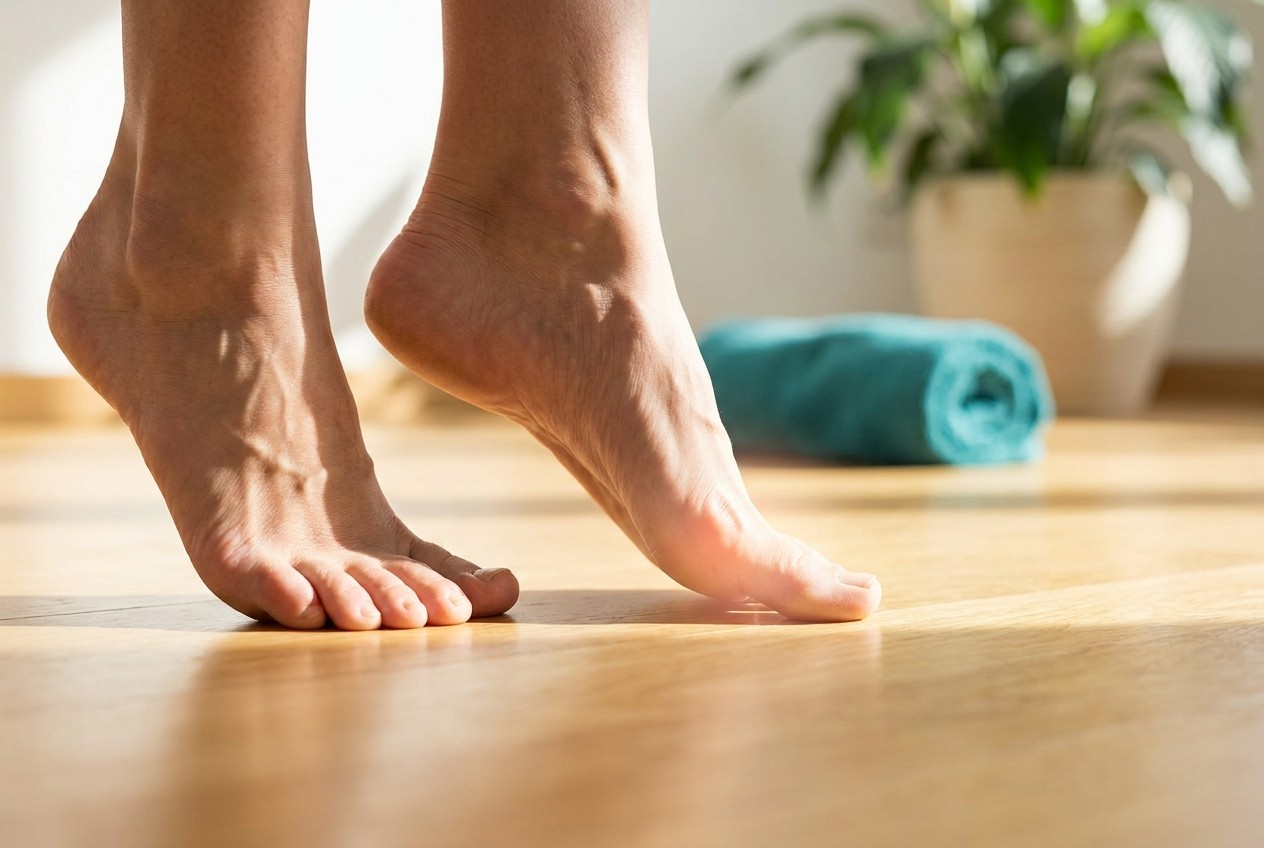
Duke Pan recommends three foundational exercises to improve alignment while the joint remains mobile:
- Toe Separation Training: By supporting body weight on the heels and lifting the toes, patients are encouraged to spread their toes as wide as possible. Maintaining this spread while pressing the toes back into the floor activates the intrinsic muscles of the inner arch, which act as a natural stabilizer for the big toe.
- Arch Training: This involves pressing the toes into the ground while lifting the arch. By avoiding "over-lifting" the big toe relative to the others, patients learn to isolate the muscles of the mid-foot. This strengthens the medial longitudinal arch, which is often collapsed in those with bunions.
- Calf Raise Training: Standing with feet in a neutral position, the patient rises onto the balls of the feet. The key is to ensure that the weight is distributed between the second and third toes rather than dumping pressure onto the big toe. This corrects faulty mechanics that typically worsen the bunion’s angle.
Implications for Public Health
The broader implications of this "bunion epidemic" are significant. Foot health is a neglected pillar of overall wellness; when the feet hurt, the body’s kinetic chain is disrupted. Compensation for foot pain often leads to knee, hip, and lower back issues.
The Role of Clinical Evaluation
Professionals emphasize that self-care is not a substitute for medical evaluation. Individuals should seek a podiatrist or physical therapist if they experience:
- Persistent pain that limits daily activities.
- Rapid progression of the deformity (the angle of the toe worsening over months).
- Numbness or nerve irritation.
- Difficulty walking or maintaining balance.
For those with diabetes, professional oversight is non-negotiable. Because diabetes can impair circulation and sensation, a minor bunion-related blister or callus can quickly turn into a serious infection.
Surgical and Non-Surgical Paths
In cases where conservative management fails, medical professionals offer a spectrum of interventions. "Orthopedic shoes," as noted by Dr. Joe Hribick, are defined by their functional adaptability rather than their aesthetics. Modern orthotics, custom-molded to the patient’s foot, can help redistribute pressure and provide the cushioning necessary for shock absorption.
When these measures are insufficient, surgical correction—often involving an osteotomy to realign the bones—becomes the standard of care. However, even post-surgery, the patient’s success depends on the rehabilitation exercises mentioned above. Without addressing the underlying movement patterns and muscle weaknesses, the foot may continue to experience the same stresses that led to the original deformity.
Conclusion: A Proactive Approach
The prevalence of bunions suggests that we must rethink our relationship with our feet. Modern life demands that we walk on unforgiving, artificial surfaces while wearing footwear designed for fashion rather than biomechanical support.
By integrating mindful foot strengthening into daily routines, individuals can better manage the early stages of hallux valgus and prevent the degradation of their natural gait. While we cannot change our genetics, we can influence our environment and our physical habits. As the evidence suggests, the key to long-term foot health is not found in a quick fix, but in the consistent, patient, and deliberate cultivation of foot strength. Early intervention remains the most powerful tool in the arsenal of the modern patient.