











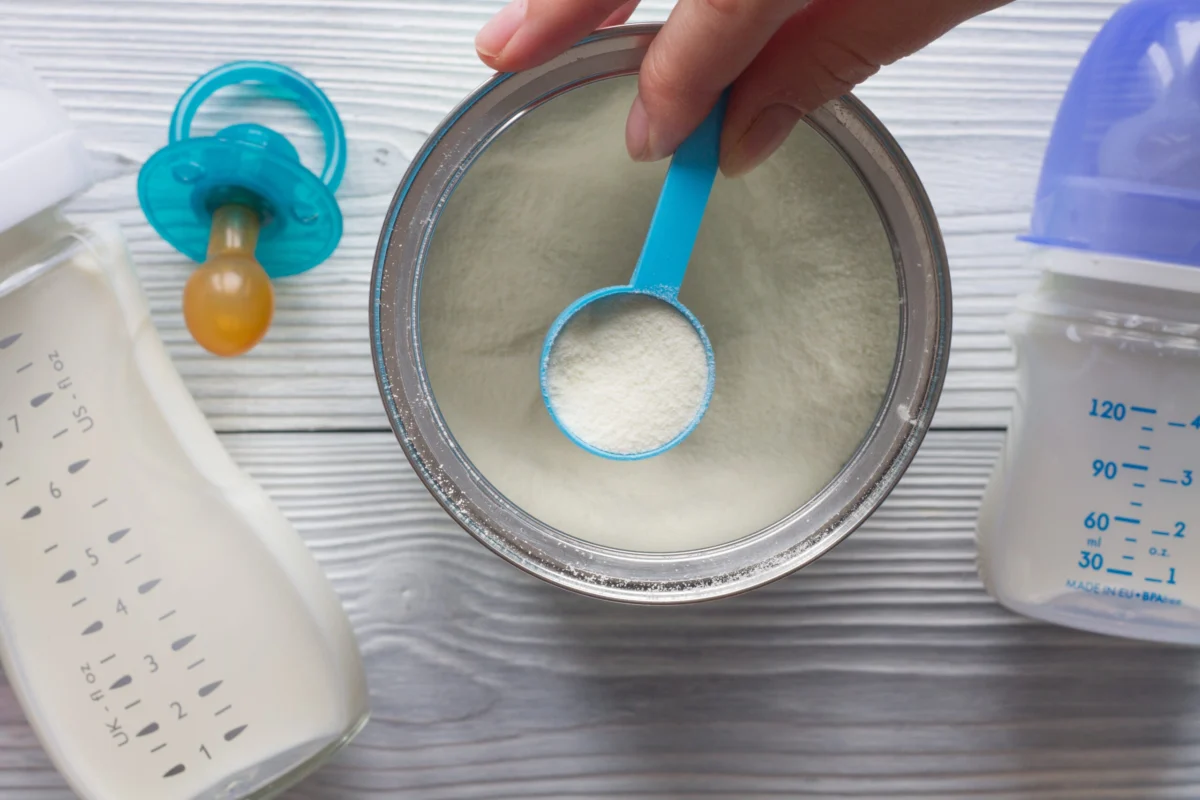
The sight of barren shelves in the baby aisle of local supermarkets—a scene that once seemed unimaginable in a developed nation—has become a haunting reality for millions of American families over the past two years. The infant formula shortage is not merely a logistical failure; it is a profound public health crisis that strikes at the most vulnerable population. When parents are unable to secure the specific nutrition required for their infants, the psychological toll is immense, and the physical risks to the child are significant.
As we analyze the multifaceted causes behind this scarcity, it becomes clear that the crisis was a "perfect storm" of pandemic-era fragility, consolidated manufacturing, and a lack of institutional foresight.
Main Facts: The Anatomy of a Scarcity
Infant formula is the essential lifeblood for millions of American infants. For families where breastfeeding is not a viable option—due to medical constraints, biological hurdles, or the harsh realities of returning to the workforce without adequate lactation support—formula is not a choice; it is a necessity.
The current crisis was ignited by a combination of factors:
- Supply Chain Volatility: The COVID-19 pandemic shattered global supply chains, affecting everything from the specialized proteins and minerals required for formula to the aluminum and plastic needed for packaging.
- Concentrated Production: The U.S. market is dominated by a handful of major manufacturers. This extreme market concentration means that when one major facility experiences a shutdown, the impact is felt nationally, with no surge capacity to absorb the loss.
- Regulatory Bottlenecks: Stringent safety standards, while necessary to protect infants, have historically made it difficult for foreign manufacturers to enter the U.S. market during times of emergency, limiting the available "cushion" of supply.
A Chronology of the Crisis
The timeline of the formula shortage is marked by a series of cascading failures:
Early 2020 – 2021: The onset of the pandemic caused erratic purchasing patterns. "Panic buying" became common, depleting stocks faster than they could be replenished. Simultaneously, labor shortages at manufacturing plants slowed down production lines across the country.
February 2022: The situation escalated significantly when a major domestic manufacturer, Abbott Nutrition, voluntarily recalled several powdered formulas and halted production at its Sturgis, Michigan plant due to reports of Cronobacter sakazakii infections. While the safety recall was an essential public health intervention, it removed a significant portion of the nation’s supply overnight.
Spring 2022: The shortage reached its peak. Out-of-stock rates climbed toward 40–50% in major metropolitan areas. Families were forced to drive hundreds of miles, hunt through social media groups for leads on inventory, or rely on potentially unsafe, improvised feeding solutions.
Late 2022 – 2023: The government initiated "Operation Fly Formula," an emergency program to import supplies from international partners. While this stabilized the situation, the crisis exposed deep-seated vulnerabilities in the American food security infrastructure that have yet to be fully rectified.
Supporting Data: Why Formula Access is a Health Imperative
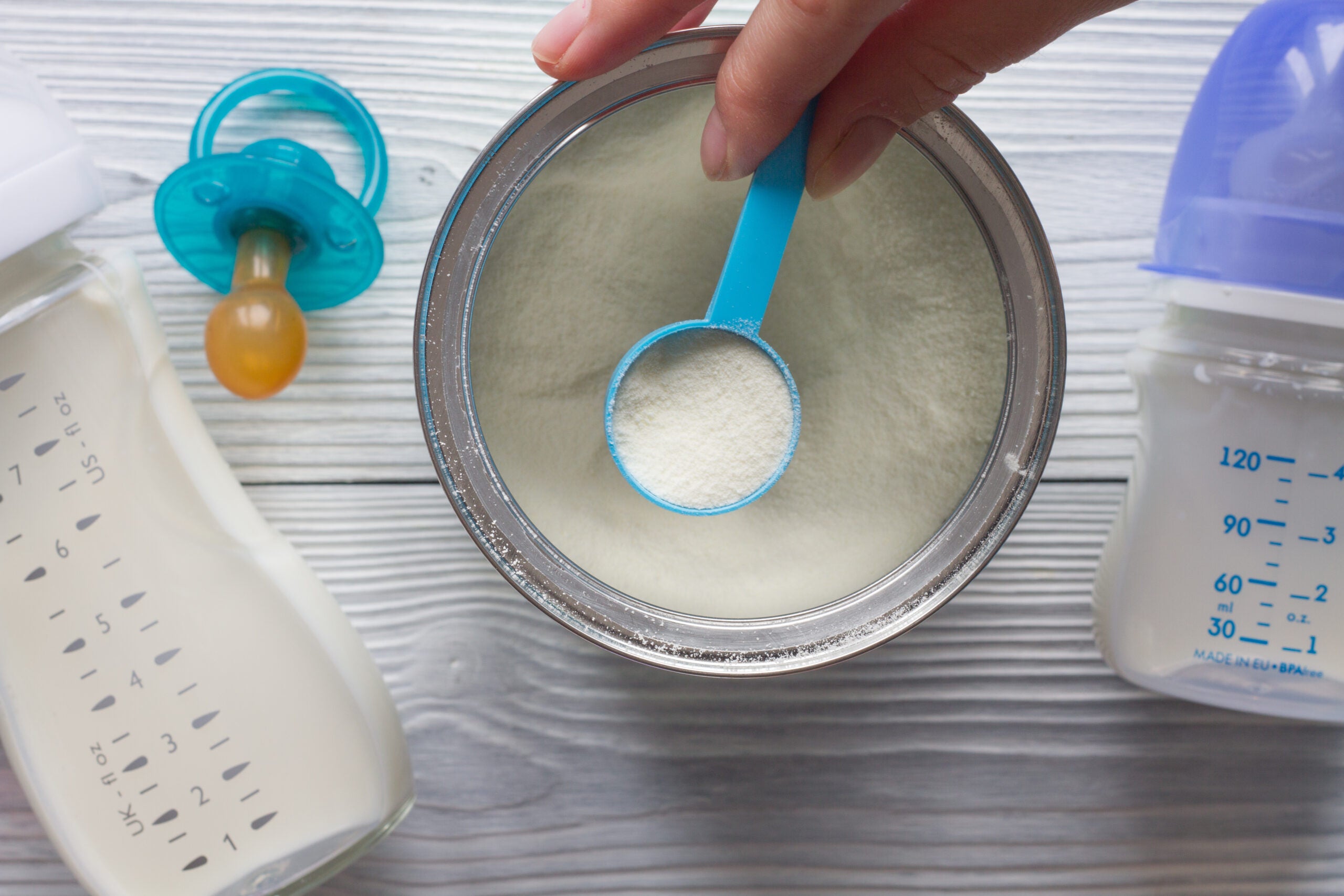
The necessity of infant formula is not a matter of convenience; it is a matter of clinical requirement. According to the American Journal of Clinical Nutrition, a significant percentage of the infant population requires specific, highly specialized formulas that cannot be swapped for alternatives.
- Metabolic and GI Disorders: Infants born with metabolic conditions (such as Phenylketonuria) or severe gastrointestinal issues require amino-acid-based formulas. These infants cannot simply switch to a "generic" brand if their specialty formula is out of stock.
- Allergy Management: Cow’s milk protein allergy affects a notable portion of the pediatric population. These children require hydrolyzed formulas. When these are unavailable, it can lead to failure to thrive, severe pain, and emergency room admissions.
- Disability Access: Infants with disabilities that limit the mechanics of breastfeeding or the digestion of breast milk are entirely reliant on the commercial supply chain for their daily caloric intake.
Official Responses and Regulatory Interventions
The federal response was reactive, characterized by both regulatory easing and emergency logistics. The U.S. Food and Drug Administration (FDA) eventually moved to streamline the entry of foreign-made formulas, which were previously barred by high tariffs and rigid labeling requirements.
However, critics argue that the FDA was slow to recognize the severity of the Sturgis facility shutdown. The lack of an early-warning system—or a "Plan B" for a national-scale manufacturing failure—highlighted a gap in the federal government’s oversight of the baby food industry. The administration’s reliance on "Operation Fly Formula" was a necessary stopgap, but it underscored the lack of domestic resilience.
Implications for Public Health Policy
The recurring nature of these shortages has forced a national conversation about how we treat infant nutrition. It is no longer acceptable to view formula manufacturing as a standard commercial sector; it must be treated as critical infrastructure.
Future Directions: A Framework for Resilience
An article from the American Journal of Clinical Nutrition outlines clear action steps to ensure that the U.S. never faces such a scarcity again. These include:
- Diversifying the Supply Chain: Policymakers must incentivize a broader base of manufacturers, reducing the reliance on a few "mega-factories." This includes lowering barriers for smaller, regional, or high-quality international producers to enter the U.S. market.
- Strategic National Stockpile: There is a growing consensus that the U.S. should maintain a strategic reserve of specialized formulas, particularly those designed for infants with complex medical needs. This stockpile would act as a buffer during supply chain disruptions.
- Enhanced Transparency: Manufacturers should be required to provide the government with real-time data on production capacity and inventory levels. This would allow the FDA to identify potential shortages months before they manifest on retail shelves.
- Strengthening Support Systems: While formula is essential, the government must also address the systemic issues that make breastfeeding difficult for many families. This includes advocating for universal paid family leave, ensuring access to certified lactation consultants, and normalizing breastfeeding in workplace environments. By supporting those who can and choose to breastfeed, the overall demand on the formula supply chain becomes more stable.
Navigating the Current Landscape: What Families Should Know
For parents and caregivers, the trauma of the past two years has left a lasting impression. While the shelves are currently better stocked than they were at the height of the crisis, the fear of recurrence remains.
What you can do now:
- Consult your Pediatrician: If you are using a specialty formula, stay in close contact with your child’s doctor. They often have access to sample supplies or can provide prescriptions to help locate specialized products through medical suppliers rather than retail stores.
- Avoid Hoarding: While the urge to stockpile is understandable, excessive hoarding contributes to the very shortages that create anxiety. Buy a reasonable supply, but allow for equitable access for others.
- Stay Informed: Monitor updates from the FDA and the American Academy of Pediatrics (AAP) regarding any ongoing supply chain issues.
What not to do:
- Do not dilute formula: Never add extra water to stretch your supply. This is dangerous and can lead to electrolyte imbalances, which are potentially fatal for infants.
- Do not make homemade formula: Homemade recipes found on the internet do not meet the precise nutritional requirements for an infant’s development. They often lack essential vitamins and minerals and may contain dangerous contaminants.
- Do not use cow’s milk or plant-based milks: Before the age of one, infants cannot process the proteins and minerals in cow’s milk or almond/oat milk. These alternatives do not provide the necessary nutrients for infant growth and can cause serious health complications.
Conclusion
The infant formula crisis serves as a stark reminder of the fragility of our modern supply chains. When the basic building blocks of human life—nutrition for our children—are threatened, the stability of society is undermined. Ensuring a secure, diverse, and robust supply of infant formula is not just an economic concern; it is a fundamental pillar of public health. By implementing the reforms suggested by experts and prioritizing the needs of the most vulnerable, the United States can build a future where no parent has to worry about the literal survival of their child based on the stock levels of a local grocery store.