












As the global population ages, the demand for sophisticated, compassionate, and sustainable caregiving solutions has reached a critical juncture. Sherri Snelling, a renowned corporate gerontologist, author, and CEO, has spent Season 6 of her influential podcast, Caregiving Club On Air, dissecting these complex challenges. Through a series of high-level interviews, Snelling provides a roadmap for families, employers, and individuals navigating the often-treacherous waters of long-term care, professional burnout, and the necessity of self-care.
This report synthesizes the core takeaways from three pivotal episodes of Season 6, exploring the intersection of workplace wellness, the logistical hurdles of long-term care, and the essential paradigm shift toward prioritizing the caregiver’s health.
I. Main Facts: The Evolution of Caregiving Support
The modern caregiving narrative is no longer just about the patient; it is increasingly about the "invisible patient"—the caregiver. The episodes featured here highlight a transition from reactive caregiving to proactive planning.
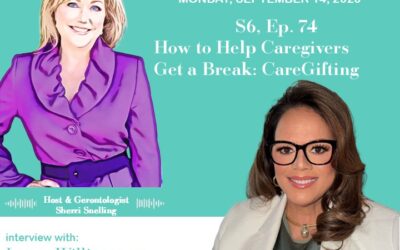
In Season 6, Episode 74, Laura Williams, Founder and CEO of Respitely, brings the conversation back to the foundation of sustainability: self-care. September, designated as Self-Care Awareness Month, serves as the backdrop for her discussion on how those providing care can maintain their own physical and mental integrity.
Simultaneously, the podcast has tackled the systemic issues surrounding professional environments (Episode 72 with Melissa Fisher of Kaiser Permanente) and the logistical maze of financial and residential planning (Episode 73 with author Cory Fosco). Together, these episodes form a tripartite approach to caregiving: internal resilience, workplace integration, and external resource navigation.
II. Chronology: A Season of Advocacy
The timeline of Caregiving Club On Air throughout the late summer and early fall of 2026 demonstrates a strategic focus on the multifaceted needs of the caregiving community:
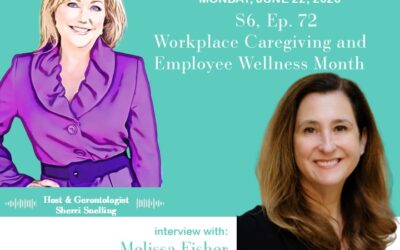
- June 22, 2026 (Episode 72): Focus on the corporate sector. Melissa Fisher of Kaiser Permanente joined the program to discuss "Caregiving in the Workplace." This episode underscored the role of employers in mitigating the "caregiver drain"—the loss of productivity and talent that occurs when employees are forced to choose between their career and their caregiving duties.
- August 31, 2026 (Episode 73): Focus on the long-term care (LTC) landscape. Author Cory Fosco, whose work “Question of When” serves as a guide for families, addressed the daunting task of selecting and funding long-term care facilities.
- September 14, 2026 (Episode 74): Focus on the individual. Laura Williams of Respitely emphasized that without a systematic approach to respite care and personal well-being, the entire caregiving structure—whether at home or in a facility—is at risk of collapse.
III. Supporting Data: The Cost of Care
The insights provided by these experts are rooted in an environment of escalating caregiving costs and increased emotional strain.
The Corporate Perspective
Melissa Fisher’s discourse highlights that caregiving is a leading cause of workforce attrition. Data suggests that employees who take on caregiving duties often see a reduction in their career trajectory, increased absenteeism, and higher levels of stress-related health issues. Kaiser Permanente’s engagement with this topic suggests that wellness initiatives are no longer "perks" but essential operational strategies for corporations.
The Financial and Structural Reality
Cory Fosco’s expertise on long-term care sheds light on the "financial shock" many families experience. The choice between assisted living, memory care, and in-home health services is often made under duress. Fosco’s research indicates that families who lack a clear plan—the "when" and "how" of transition—face 30% higher costs due to crisis-driven decision-making.
The Self-Care Imperative
Laura Williams emphasizes the data-backed reality that caregivers suffer from higher rates of depression, anxiety, and chronic illness than the general population. The "Respitely" model aims to normalize the act of stepping away, arguing that respite care is not an abandonment of the loved one, but an essential component of the caregiving infrastructure.
IV. Official Perspectives: Insights from the Experts
Laura Williams: Redefining Respite
In Episode 74, Williams argued that "respite" is frequently misunderstood as a luxury. She posits that it is a fundamental right for the caregiver. Her organization works to ensure that caregivers feel empowered to seek relief, framing self-care as a preventative measure against the "caregiver burnout epidemic."
Melissa Fisher: The Employer’s Role
Fisher’s contribution focuses on "Employee Wellness Month" and the necessity of policy reform. She advocates for flexible work hours, mental health days, and caregiver-specific support groups within the corporate structure. Her stance is that when an employer supports the caregiver, they ultimately secure the loyalty and retention of their most experienced employees.
Cory Fosco: Navigating the "Question of When"
Fosco’s book is described as a navigational tool for the most difficult transition in a senior’s life. He stresses that the "Question of When" is not just about the senior’s health, but about the family’s collective ability to manage the logistics of care. He urges families to initiate these conversations long before a medical emergency necessitates a move.
V. Implications for the Future of Caregiving
The synthesis of these three episodes reveals a profound implication: Caregiving is a societal issue, not a private burden.
Structural Shifts
The traditional model of relying on a single family member to bear the brunt of caregiving is rapidly becoming unsustainable. The integration of workplace support (Fisher), professional planning (Fosco), and personal resilience (Williams) suggests that the future of caregiving lies in a hybrid model where family effort is supplemented by corporate policy and professional guidance.
The Need for Policy and Advocacy
As Sherri Snelling continues to platform these voices, the broader implication is that we require a more robust public policy framework to support caregivers. This includes tax incentives for family caregivers, more accessible information regarding long-term care options, and a cultural shift that treats caregivers with the same professional respect afforded to healthcare workers.
A Holistic Approach to Longevity
Ultimately, the Caregiving Club On Air series underscores that living longer requires a strategy for "living well." Whether through the lens of corporate wellness or personal self-care, the message is consistent: we must prepare for the caregiving journey with the same rigor we apply to retirement planning or career development.
The lessons shared by Williams, Fisher, and Fosco serve as a vital resource. As the population ages, the information provided in these episodes—now consolidated for public access—acts as an essential survival guide for a demographic that is increasingly forced to navigate the complexities of aging, health, and family obligation.
VI. Conclusion: Closing the Gap
The Caregiving Club On Air podcast has become a cornerstone of the caregiving support community. By bridging the gap between clinical/corporate expertise and the lived experience of the family caregiver, Sherri Snelling and her guests have provided a blueprint for navigating the future.
The primary takeaway for listeners and readers is clear: You do not have to navigate this alone. By leveraging the resources of Respitely, following the corporate wellness initiatives championed by experts like Melissa Fisher, and utilizing the tactical advice from authors like Cory Fosco, families can transform the caregiving experience from a source of trauma into a sustainable, manageable, and even meaningful part of life.
For those looking to deepen their understanding, the full show notes and resource links for Season 6, Episodes 72, 73, and 74 are available through the Caregiving Club website, providing a wealth of information for those currently standing at the crossroads of care. As we look toward the future, these dialogues remain the most effective tool we have for building a more resilient, compassionate society.