











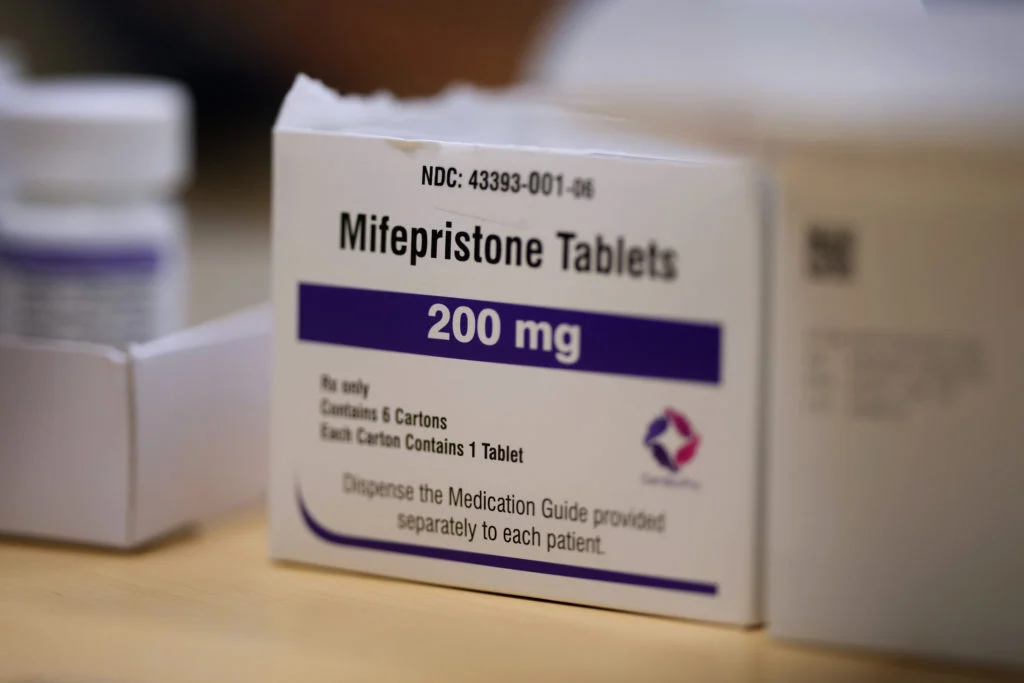
For over a quarter of a century, the pharmaceutical landscape of reproductive healthcare in the United States has been anchored by mifepristone. While it is almost exclusively recognized by the general public and the legal system as the primary medication used to terminate early pregnancies, its therapeutic profile is significantly broader. As the legal battle over access to the drug intensifies, a critical, often overlooked reality is emerging: mifepristone is a versatile medical tool with the potential to treat a range of debilitating gynecological conditions that affect millions of women.
As part of the Beyond Abortion series, PBS NewsHour’s Sarah Varney and Rachel Wellford have investigated the intersection of restrictive reproductive policies and the medical necessity of drugs like mifepristone. The findings reveal a complex paradox where the politicization of abortion threatens the availability of treatments for conditions like uterine fibroids and endometriosis—chronic illnesses that cause profound suffering.
Main Facts: A Drug Beyond Its Primary Indication
Mifepristone is a synthetic steroid that functions as a progesterone receptor antagonist. While its role in pregnancy termination is well-documented—it effectively blocks the hormone progesterone, which is necessary for a pregnancy to continue—this same mechanism makes it an potent treatment for other gynecological issues.
Uterine fibroids, which are non-cancerous growths of the uterus, affect up to 80% of women by age 50. Many suffer from heavy menstrual bleeding, pelvic pain, and infertility. Similarly, endometriosis, a condition where tissue similar to the lining of the uterus grows outside the organ, affects approximately one in ten women of reproductive age. Both conditions are notoriously difficult to treat, often resulting in invasive surgeries or hysterectomies.
Clinical research has demonstrated that mifepristone can shrink fibroids and alleviate the severe pain associated with endometriosis. Despite this, the current regulatory environment, driven by intense anti-abortion lobbying, has created a "chilling effect." Pharmaceutical providers, pharmacies, and clinicians are increasingly wary of prescribing or stocking the drug, even for non-abortion-related needs, fearing legal repercussions or social stigmatization.
Chronology: The Evolution of Mifepristone
The history of mifepristone is marked by decades of political friction and scientific advancement.
- 1980s: Developed in France by Roussel Uclaf, the drug (then known as RU-486) was initially investigated for its potential to treat Cushing’s syndrome and other hormone-related disorders.
- 1988: France becomes the first country to approve the drug for pregnancy termination.
- 2000: The U.S. Food and Drug Administration (FDA) approves mifepristone for use in the United States, following a long period of intense political debate.
- 2010s: Independent clinical trials expand the understanding of mifepristone’s efficacy in managing gynecological conditions, specifically uterine fibroids and endometriosis, leading to increased interest from reproductive endocrinologists.
- 2022: The Supreme Court’s decision in Dobbs v. Jackson Women’s Health Organization overturns Roe v. Wade, sparking a wave of state-level restrictions that complicate the supply chain and legal status of mifepristone.
- 2023-2024: A series of lawsuits, including Alliance for Hippocratic Medicine v. FDA, challenges the FDA’s original approval of the drug, threatening its availability nationwide and forcing the medical community to grapple with the potential loss of a multi-purpose medication.
Supporting Data: The Scope of Unmet Need
The reliance on mifepristone for non-abortion care is backed by data that highlights the severity of the conditions it treats.
- Economic Burden of Fibroids: In the United States alone, the annual cost of uterine fibroids—including hospitalizations, surgical interventions, and lost productivity—is estimated to be in the billions. Research suggests that medical management with progesterone antagonists like mifepristone could reduce the need for surgical intervention by 30-40%.
- Endometriosis Prevalence: An estimated 6.5 million women in the U.S. live with endometriosis. The average time to diagnosis is seven years, during which time many patients are subjected to ineffective pain management. Mifepristone has shown success in reducing the size of endometriotic lesions in clinical settings.
- The Regulatory Gap: Despite the clinical promise, the drug remains under the FDA’s Risk Evaluation and Mitigation Strategy (REMS) program. Originally intended to ensure safety, the program’s requirements for specialized certification create administrative hurdles that discourage many practitioners from offering the drug for non-abortion indications.
Official Responses: A Divided Landscape
The debate over mifepristone has created a profound rift between medical professional organizations and political advocacy groups.
The Medical Perspective
The American College of Obstetricians and Gynecologists (ACOG) and other medical associations have repeatedly urged regulators to decouple the medical use of mifepristone from the political theater of the abortion debate. "When we restrict access to a medication based on ideological grounds rather than clinical evidence, it is the patient who suffers," says a spokesperson for a leading reproductive health organization. Doctors argue that the drug is a safe, effective, and evidence-based option that should remain in the physician’s toolkit.
The Political Perspective
Conversely, anti-abortion advocacy groups argue that the potential for "off-label" misuse or the normalization of the drug makes it a liability. These groups often push for stricter oversight, claiming that the FDA’s approval process for mifepristone was rushed and that the drug poses long-term health risks, a claim that the mainstream scientific community largely refutes. Their lobbying efforts have been instrumental in pushing state legislatures to enact "trigger laws" that impact not just abortion access, but the distribution of any drug classified as an abortifacient.
Implications: The Future of Women’s Health
The implications of restricting access to mifepristone extend far beyond the current abortion debate. If the current trend of litigation and state-level restriction continues, the medical community faces several dire consequences:
1. The Erosion of Evidence-Based Medicine
When political entities dictate which drugs can be accessed, the fundamental principles of evidence-based medicine are undermined. If a medication is proven effective for endometriosis but is blocked due to its secondary use, patients are forced to undergo more invasive, higher-risk, and often more expensive treatments, such as total hysterectomies.
2. The "Medical Desert" Effect
Women living in states with the most restrictive abortion laws are already facing a "medical desert." As pharmacies pull mifepristone from their shelves to avoid the risk of legal action, women seeking care for non-pregnancy-related conditions may find themselves unable to fill prescriptions, even with a legitimate medical need. This creates a two-tiered healthcare system where access to care is determined by geography.
3. Stymied Innovation
Pharmaceutical innovation relies on the ability to explore secondary uses for existing drugs. If the threat of legal action against a manufacturer is too high, companies will be disincentivized from seeking FDA approval for new indications for mifepristone. This stifles potential research into conditions like Cushing’s syndrome or even certain types of cancer, where progesterone receptors play a role in tumor growth.
4. A Call for Legislative Clarity
The current legal quagmire underscores a desperate need for clear, federal-level protections that safeguard medications based on their therapeutic utility. As the Beyond Abortion series suggests, the narrative must shift from a binary focus on abortion to a holistic view of reproductive healthcare. For millions of women, the fight for mifepristone is not about ending a pregnancy; it is about the right to manage chronic, life-altering pain and preserving their long-term health.
Conclusion
The discourse surrounding mifepristone has reached a critical juncture. While the legal battles in Washington and state capitals capture headlines, the daily reality for patients suffering from endometriosis and uterine fibroids remains precarious. The challenge for the future is to ensure that healthcare decisions are made in the exam room between a patient and their doctor, guided by clinical efficacy and patient safety, rather than in the courtroom or the halls of legislative bodies. Unless the medical community and policymakers can find a way to shield therapeutic medications from political warfare, the collateral damage will be the health and well-being of a generation of women.