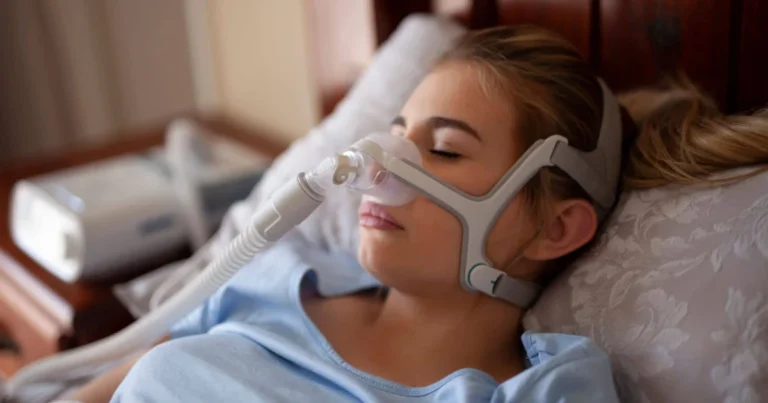












For millions of adults worldwide, the nightly struggle with obstructive sleep apnea (OSA) is not merely an issue of snoring—it is a chronic condition that fragments sleep, increases the risk of cardiovascular disease, and diminishes overall quality of life. As the medical community gains a deeper understanding of the link between obesity and respiratory obstruction, a new class of medications, glucagon-like peptide-1 receptor agonists (GLP-1s), has emerged as a potential game-changer.
While drugs like Ozempic have captured headlines for their weight-loss capabilities, the landscape of insurance coverage for these treatments remains complex, particularly when applied to sleep apnea.
The Physiology of OSA and the Role of Weight
Obstructive sleep apnea is defined by repeated interruptions in breathing during sleep, caused by the collapse of the upper airway. These "apneic events" can last from 10 to 30 seconds, often occurring dozens of times per hour.
Clinical data consistently identifies obesity as a primary driver of OSA. Excess adipose tissue, particularly around the neck and throat, creates mechanical pressure that narrows the airway, making it significantly more susceptible to collapse when the throat muscles relax during sleep. Studies indicate that approximately 31% of individuals with OSA live with obesity, while 44% are classified as overweight. Consequently, weight reduction is often the cornerstone of clinical recommendations for managing the condition.
The Rise of GLP-1s: Mechanisms of Change
GLP-1s mimic a naturally occurring hormone that signals to the brain that the stomach is full, effectively reducing appetite and slowing gastric emptying. Beyond simple caloric restriction, these medications influence metabolic pathways that can significantly reduce BMI and waist circumference.
The correlation between weight loss and symptom relief is profound: a meta-analysis of clinical research found that a 20% reduction in body mass index (BMI) correlates with a 57% reduction in sleep apnea severity. While Ozempic (semaglutide) is frequently discussed, research suggests that different GLP-1s may offer varying degrees of efficacy. For instance, studies comparing tirzepatide (Zepbound) and liraglutide (Saxenda) have shown that tirzepatide may be more effective in mitigating OSA symptoms, while also improving secondary markers like daytime sleepiness and hypertension.
Regulatory Chronology: From Diabetes Management to Sleep Apnea
The regulatory status of these drugs has evolved rapidly. It is critical for patients to distinguish between "on-label" and "off-label" use:
- 2017 and Beyond: The FDA approved semaglutide (Ozempic) specifically for the management of type 2 diabetes. While its weight-loss side effect was quickly noted, it was not the drug’s primary indicated use.
- The Weight Loss Shift: The FDA subsequently approved Wegovy (semaglutide) and Zepbound (tirzepatide) specifically for chronic weight management, marking a shift in how these drugs are categorized.
- The 2024 Breakthrough: In a landmark decision, the FDA officially approved Zepbound for the treatment of moderate to severe obstructive sleep apnea in adults with obesity. This approval was predicated on extensive clinical trials demonstrating that significant weight loss directly translates to a reduced apnea-hypopnea index (AHI), the standard metric for measuring sleep apnea severity.
The Insurance Landscape: Coverage, Denials, and Appeals
The current insurance climate is characterized by strict formularies and high out-of-pocket costs. Because Ozempic is not FDA-approved for sleep apnea, most insurance providers will not cover it for that specific diagnosis.
Navigating the "Off-Label" Hurdle
Insurance plans are generally designed to cover medications only for their FDA-approved indications. If a physician prescribes Ozempic "off-label" to help a patient lose weight to treat sleep apnea, the insurer will likely deny the claim. However, if a patient has comorbidities—such as type 2 diabetes, high cholesterol, or hypertension—that are also FDA-approved indications for that specific drug, coverage is far more likely.
The Role of Prior Authorization
Even with medications like Zepbound, which is approved for OSA, access is rarely immediate. Most insurers require a process called "prior authorization," which involves:
- Clinical Documentation: The physician must submit evidence of the severity of the OSA (e.g., AHI scores from a sleep study).
- Step Therapy: Many insurers require patients to demonstrate that they have tried and failed with traditional treatments, such as Continuous Positive Airway Pressure (CPAP) therapy or structured diet and exercise programs, before approving costly medication.
- BMI Thresholds: Insurance plans often require the patient to meet a specific BMI threshold to qualify for coverage.
Strategic Appeals
If a claim is denied, the battle is not necessarily over. Patients have the right to file an internal appeal. A successful appeal often hinges on "medical necessity"—a document provided by the patient’s healthcare provider detailing why the medication is essential for the patient’s health and why other alternatives have been insufficient. If an internal appeal is denied, patients can request an external review, where an independent third party evaluates the decision.
Financial Realities: Costs and Alternatives
Without insurance, the financial burden is significant. Ozempic can cost approximately $499 per month, while other GLP-1s can reach several hundred to over a thousand dollars monthly.
Lifestyle as a First-Line Defense
Whether or not a patient is prescribed a GLP-1, lifestyle modifications remain the foundational treatment for OSA.
- Caloric Deficit: Creating a sustainable deficit remains the gold standard for long-term weight reduction.
- Exercise Protocols: The U.S. Department of Health and Human Services recommends 150 to 300 minutes of moderate-intensity aerobic activity per week, complemented by at least two days of muscle-strengthening exercises. Resistance training is particularly effective, as it builds muscle mass, which naturally boosts the metabolic rate.
- Dietary Adjustments: Reducing intake of alcohol and sugary beverages can have a disproportionate impact on weight loss and inflammation, both of which are linked to airway constriction.
Implications for the Future
The approval of Zepbound for sleep apnea signifies a major shift in how the medical community approaches respiratory health. It acknowledges that for many patients, sleep apnea is a metabolic disease as much as it is a mechanical one.
However, the disparity in access remains a concern. As more data emerges, it is expected that insurance policies will continue to evolve. Currently, Medicare does not cover Ozempic for sleep apnea, though it does offer partial coverage for Zepbound under specific conditions. Patients are encouraged to contact their insurance providers directly to review their plan’s formulary and request a summary of benefits regarding weight-management drugs.
Summary of Frequently Asked Questions
Does Medicare cover Ozempic for sleep apnea?
No. Medicare does not cover Ozempic for sleep apnea. However, it does provide partial coverage for Zepbound for qualifying patients, typically with a monthly out-of-pocket cost around $50.
How much does Ozempic cost without insurance?
The out-of-pocket cost is generally around $499 per month. Prices vary by pharmacy and region, and patients should check for manufacturer-sponsored savings programs.
What is the duration of insurance coverage?
Authorization is typically granted in six-month increments. Continued coverage usually depends on documented progress, such as weight loss milestones or a reduction in OSA severity, verified by the physician.
Is surgery an option?
Yes. While GLP-1s are a non-invasive approach, patients who do not respond to medications or lifestyle changes may be candidates for surgical interventions, such as uvulopalatopharyngoplasty or hypoglossal nerve stimulation, as determined by a sleep specialist or ENT surgeon.
Medical Disclaimer: The information provided in this article is for educational purposes only and does not constitute medical advice. Treatment for sleep apnea is highly individualized; always consult with a healthcare professional, such as a pulmonologist or sleep medicine specialist, before initiating any new medication or treatment plan.