










By Alina Savulescu
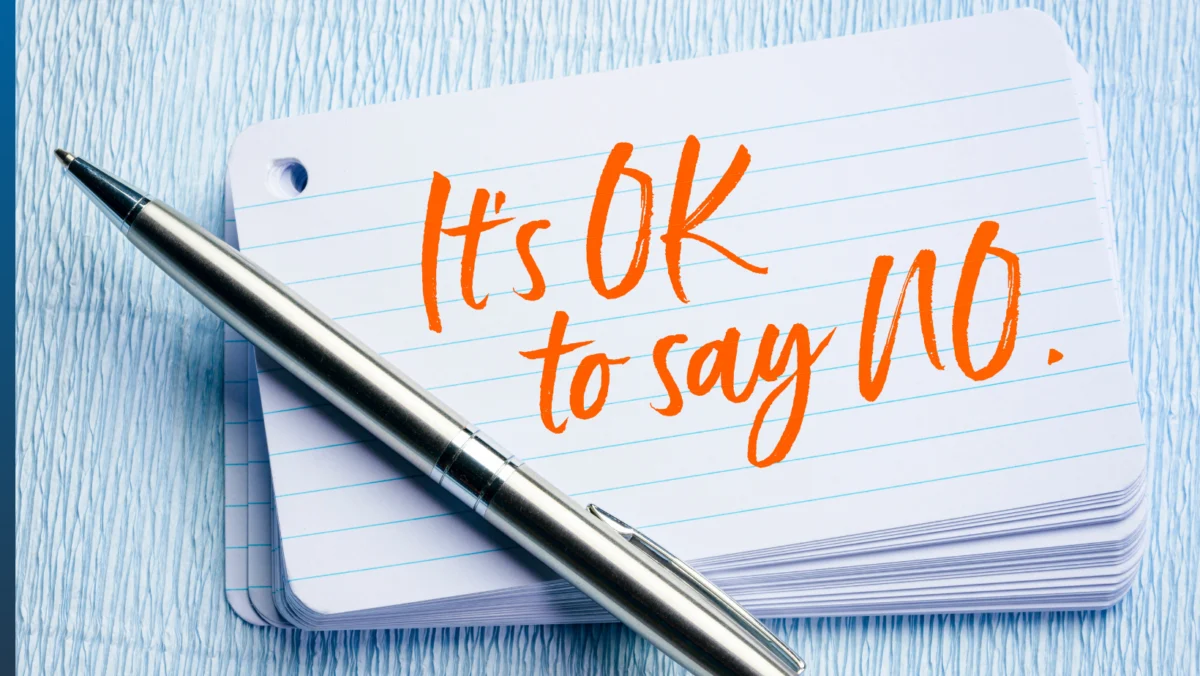
In the modern landscape of social connectivity and professional demands, the word "no" remains one of the most difficult linguistic tools to wield. For those living with chronic pain, this struggle is not merely a matter of social etiquette or assertiveness—it is a critical survival mechanism. Yet, the pressure to maintain an appearance of normalcy often forces individuals to suppress their physical reality, creating a dissonance that leads to both physical degradation and emotional exhaustion.
The act of refusing a request or setting a limit is frequently fraught with the "small storm of guilt," a phenomenon that persists even after an individual has learned the high cost of ignoring their body’s signals. By examining the intersection of chronic pain, interpersonal relationships, and the psychology of boundaries, we can uncover why the simple act of saying "no" is, for many, the most significant step toward reclaiming agency.
The Invisible Landscape of Chronic Pain
Chronic pain is inherently performative. It exists in the shadows of the "highlight reel" of life—weddings, graduations, and beach days—that we curate for public consumption. A recent reflection on a long-term marriage highlighted a profound truth: while we document the joyful milestones, we rarely document the quiet, agonizing erosion caused by the trampling of personal boundaries.
For those living with persistent symptoms, the world often sees only the curated exterior. They see the laughter and the social engagement, but they remain oblivious to the chemical regimen taken prior to arrival or the high-functioning anxiety that persists beneath the surface. This creates a dangerous expectation: that because an individual is present, they are thriving.
The Myth of the Intuitive Observer
For years, many patients operate under the silent, hopeful expectation that those around them will intuitively recognize when a limit has been reached. There is a desire for loved ones to intervene, to suggest rest before a crash occurs. However, relying on external validation to dictate one’s boundaries is a recipe for failure. As the reality of chronic pain is entirely internal, no one—regardless of how empathetic they may be—can truly measure the effort required for a person to remain present. This reliance on others to set our boundaries often leads to a cycle of "pushing through," which only serves to exacerbate the underlying condition.
Chronology of a Crisis: From Compliance to Clarity
The internal struggle of a chronic pain sufferer often follows a predictable, if destructive, timeline.
- The Phase of Suppressed Signals: In the early stages, the individual perceives the warning signs of their body—increased fatigue, nerve pain, or stiffness—but chooses to ignore them. The "yes" is given out of fear of social rejection or the desire to appear "normal."
- The Internal Friction: As the body begins to protest, the individual enters a period of moral dilemma. This is characterized by a series of self-defeating questions: Can I really not do a bit more? What if they think I’m just lazy? Maybe I should just push through. During this phase, the individual attempts to prove their pain, creating a performance that is more exhausting than the activity itself.
- The "Plastic Chair" Syndrome: Much like a horse tied to a flimsy plastic chair, the individual remains bound by an invisible rope. They possess the capacity to break free, yet they remain tethered by the fear of what might happen if they assert their needs.
- The Threshold of Exhaustion: Eventually, the "yes" leads to a physical crash. The individual is forced into involuntary rest, which is often accompanied by deep resentment—toward others for not "understanding" and toward themselves for failing to protect their energy.
- The Shift Toward Boundary Setting: Through repeated cycles of exhaustion, the individual begins to recognize that a "no" is not an act of hostility, but a prerequisite for sustainability.
Supporting Data: The Cost of the "Yes"
While social pressure is a powerful motivator, the physiological impact of ignoring physical limits is quantifiable. Research in psychosomatic medicine suggests that chronic stress—often fueled by the inability to set boundaries—triggers the hypothalamic-pituitary-adrenal (HPA) axis. When a person with chronic pain pushes through their limits, they are not just "working hard"; they are putting their nervous system into a state of hyper-arousal.
Data indicates that individuals who struggle with boundary setting are significantly more prone to "flare-ups" of their condition. The cognitive load of pretending to be well consumes energy that the body requires for repair. When we say "yes" out of guilt, we are essentially borrowing energy from our future selves, often at an exorbitant interest rate.
Official Perspectives: The Psychology of the "Wobble"
Clinical psychologists often describe the process of boundary setting using the "mechanical toy" analogy. When an individual who has been a habitual "yes-sayer" suddenly shifts their behavior, the social system around them experiences a period of instability.
"When you remove the ‘yes’ that people have come to rely on, the relationship will inevitably wobble," says one clinical consultant. "People may react with confusion or disappointment. This is not necessarily because they are malicious; it is because the rules of engagement have changed."
The professional consensus is that this "wobble" is a necessary developmental phase. It represents the transition from a codependent dynamic to a more authentic, albeit more challenging, connection. By allowing the relationship to fluctuate, the individual provides space for the dynamic to reset into a rhythm that is sustainable for both parties.
Implications: The Path to Radical Honesty
The implications of this shift are profound. Learning to set boundaries does not mean withdrawing from society; it means engaging with it in a way that is honest.
Practical Applications of the "Honest No"
- The Proactive Pivot: Instead of waiting until a flare-up occurs, state your limits early. "I can’t manage the full dinner, but I would love to join for a coffee."
- Abandoning the Performance: Rest does not need to be "productive" to be valid. You do not need to justify your time spent in recovery. The act of setting the boundary is the justification.
- Managing the Aftermath: After a difficult refusal, you may feel an urge to over-explain or "fix" the perceived disappointment. Resist this. Allow the silence to exist.
Reclaiming Agency
Ultimately, the goal of setting boundaries is to transition from being a spectator in one’s own life to being a participant. Every "no" serves as a protective barrier, preserving the limited energy required to show up for the people and activities that matter most.
The guilt that follows an honest refusal is often nothing more than the echo of an old habit. It is the final, fading sound of a past version of oneself—one that believed its value was tied to its utility. As the grip on that "flimsy plastic chair" loosens, the individual gains the freedom to stand, move, and exist with a level of integrity that was previously impossible.
In the end, saying "no" is not about closing doors; it is about ensuring that when we do say "yes," we have the capacity to be fully present, fully human, and fully ourselves. It is a radical act of self-preservation that ultimately strengthens the foundations of every relationship we hold dear.