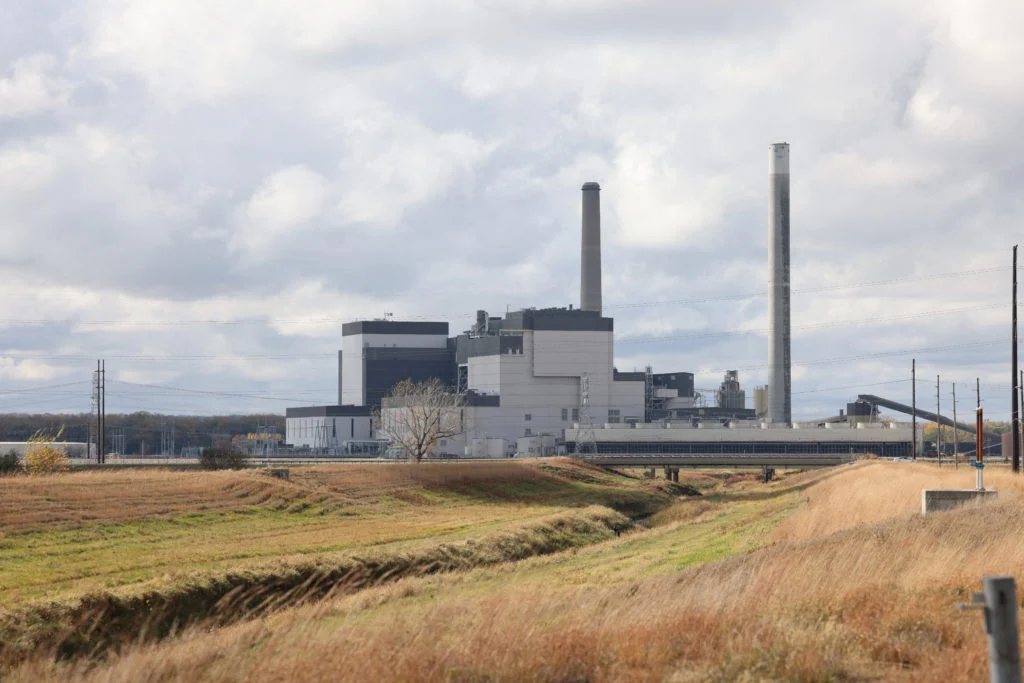
In a decisive move that marks a fundamental shift in American environmental policy, the Environmental Protection Agency (EPA) has announced the formal repeal of stringent rules aimed at curbing greenhouse gas emissions from the nation’s coal and natural gas-fired power plants. The decision dismantles a regulatory framework that would have mandated significant emissions reductions, effectively relieving power generators from the obligation to implement advanced mitigation technologies, such as carbon capture and storage (CCS).
The announcement, spearheaded by EPA Administrator Lee Zeldin, frames the repeal as a necessary step toward economic deregulation and the removal of "burdensome" constraints on the energy sector. Conversely, environmental advocacy groups and climate policy experts have decried the move as a dangerous retreat from the federal government’s responsibility to mitigate the accelerating impacts of climate change.
The Chronology of Regulatory Flux
The repeal is the latest chapter in a long-standing, volatile legal and policy battle over the scope of the Clean Air Act. For years, the power sector—the nation’s second-largest contributor to carbon dioxide and other greenhouse gas emissions—has been the focal point of U.S. climate policy.
- The Baseline: Under previous administrations, the EPA pursued a series of mandates designed to force a transition away from high-carbon fossil fuels. These rules relied on the assumption that federal oversight is required to modernize the grid and protect public health.
- The Regulatory Shift: Upon taking office, the current administration signaled an intent to pivot away from what it termed "ideology-driven" environmental oversight. The EPA’s recent action effectively nullifies the prior administration’s carbon reduction requirements, arguing that they placed excessive financial strain on power providers.
- The Legal Pivot: Beyond the immediate repeal, the EPA is positioning this move as part of a broader legal challenge to the agency’s foundational authority. By questioning whether greenhouse gas emissions can be regulated as traditional pollutants under existing statutes, the current administration is attempting to create a legal precedent that could curtail the EPA’s regulatory powers for decades to come.
Official Responses: Conflicting Visions for Energy
The divide between the EPA’s current leadership and environmental advocates is stark, revealing two fundamentally different philosophies regarding the relationship between the economy and the environment.
The EPA’s Economic Argument
Administrator Lee Zeldin has defended the repeal by citing a need for "regulatory certainty." According to Zeldin, the previous requirements were characterized by bureaucratic overreach that stifled investment and created legal bottlenecks.
"Our actions result in savings into the trillions of dollars," Zeldin stated during the announcement. "It means providing companies that choose to invest in America with the certainty that their work will pay off and their money won’t get tied up in unnecessary, burdensome regulatory battles informed more by ideology than practical environmental protection outcomes."
The agency argues that by removing these constraints, the U.S. energy market can respond more dynamically to consumer demand, ultimately fostering a more resilient and affordable power grid.
The Environmental Defense Fund’s Critique
Vickie Patton, general counsel for the Environmental Defense Fund (EDF), offered a blistering assessment of the policy change during an interview with the NewsHour. Patton characterized the repeal as an act of "reckless irresponsibility."
"Today, the administration moved to eliminate any standards, any limitations on the dangerous climate pollution from power plant smokestacks," Patton argued. She emphasized that power plants are not merely a theoretical concern but a physical reality affecting local communities, particularly as the rise of energy-intensive data centers increases the demand for electricity. "If the companies behind those data centers decide to power them with high-emitting power plants, that means those communities are bearing more pollution."
Patton likened the government’s inaction to a fire department driving past a burning house. She asserted that the "cost savings" touted by the EPA represent only the money saved by industrial emitters, while the true costs—asthma, hospital visits, and climate-related disasters—are being shifted onto the American public.
Supporting Data and Societal Implications
The debate over these regulations is deeply rooted in the measurable consequences of climate change. As the nation faces increasingly severe weather events—including record-breaking heat waves, prolonged droughts, and catastrophic wildfire seasons—the debate over emissions has moved beyond academic circles into the realm of public health and economic stability.
The Public Health Toll
While the EPA focuses on the capital expenditures of power companies, health advocates point to the "hidden costs" of high emissions. These include:
- Respiratory Illness: Increased concentrations of particulate matter and pollutants are directly linked to higher rates of asthma and chronic lung conditions.
- Economic Productivity: Missed work and school days due to pollution-related illness place a drag on the economy that rarely appears in the EPA’s deregulatory cost-benefit analysis.
- Insurance and Healthcare: The compounding effects of climate-driven disasters, such as flooding and extreme heat, lead to higher insurance premiums and strained healthcare systems.
The Role of Technology and the "Green" Economy
A central point of contention is whether environmental regulations actually hinder economic growth. Patton points to the success stories in states like Colorado, where renewable energy expansion has resulted in job creation.
"In rural Colorado, we have seen farmers keep their farms and their families by receiving lease payments to host wind turbines," Patton noted. "In other parts of the state, we have seen major manufacturers save hundreds of jobs because they’re relying on clean, affordable power that has lowered their operating costs."
This perspective suggests that the transition to clean energy is not necessarily a cost-burden but a structural evolution of the economy. The EPA’s current stance, however, remains skeptical of the speed at which this transition should be forced by federal mandate.
Long-term Implications: A Legacy of Uncertainty
The most significant consequence of this repeal may not be the immediate increase in emissions, but the long-term uncertainty it introduces into the legal landscape. By challenging the EPA’s authority to regulate carbon, the administration is inviting a protracted judicial review that could reshape the administrative state.
The Future of Federal Authority
If the courts agree with the current EPA’s interpretation of the Clean Air Act, future administrations—regardless of their climate policy goals—might find themselves legally handcuffed. This would effectively move the theater of environmental policy from the regulatory agencies to the courtroom.
The State-Level Response
With the federal government abdicating its role as the primary architect of emissions policy, the burden is likely to shift to individual states and local utilities. While states like California, New York, and Colorado have historically led the way with their own aggressive climate targets, a fragmented, state-by-state approach presents challenges for grid stability and interstate commerce.
Patton maintains that while state action is laudable and necessary, it is not a substitute for federal leadership. "This is a big problem that has very serious impacts on millions of people all across the country," she stated. "Every American deserves these protections."
Conclusion
The repeal of the EPA’s greenhouse gas emissions rules represents a pivotal moment in the nation’s climate trajectory. By prioritizing immediate industrial cost-savings over long-term regulatory frameworks, the administration has set the stage for a profound legal and ideological struggle.
As the NewsHour noted, the EPA has been requested for further comment regarding the specific metrics used to calculate the "trillions of dollars" in savings cited by Administrator Zeldin. Until such data is reconciled with the mounting evidence of climate-related health and economic costs, the debate will continue to polarize stakeholders across the energy and environmental sectors. The final chapter of this policy shift remains unwritten, but its impact on the American landscape—both literal and legal—will be felt for generations.