











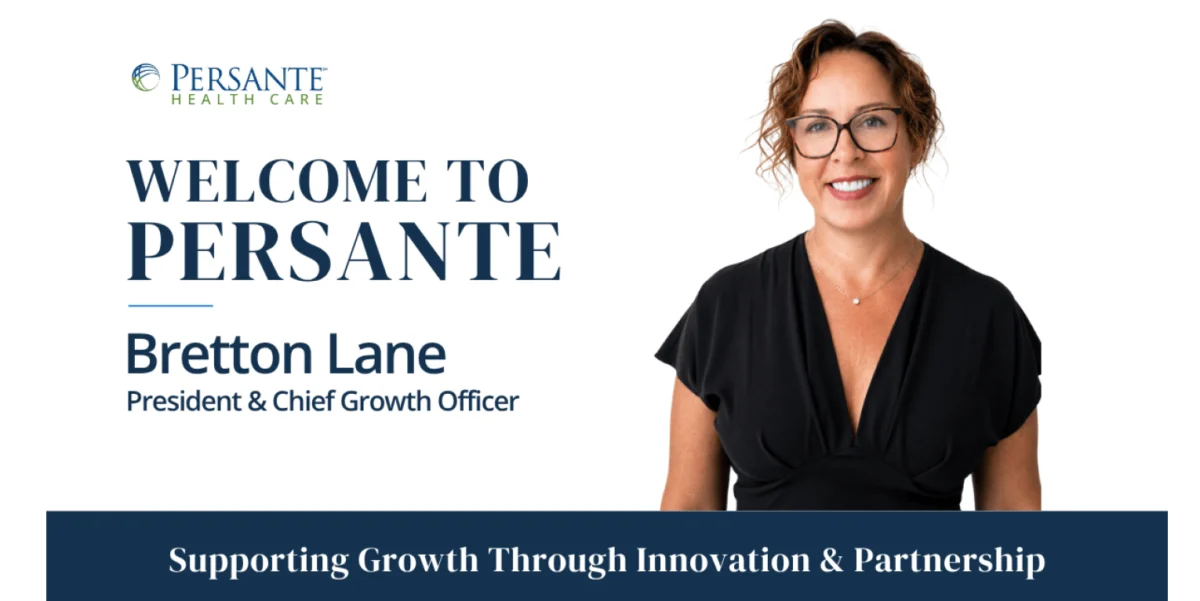
In a significant move that signals a new phase of growth for one of the nation’s largest sleep management providers, Persante Health Care has officially appointed industry veteran Bretton Lane, BS, RPSGT, as its new president and chief growth officer. The appointment, announced this week, marks a calculated effort by the organization to deepen its clinical footprint, scale its home sleep testing (HST) infrastructure, and spearhead the integration of next-generation medical technologies.
As the sleep medicine landscape faces a dual challenge of increasing patient demand and a rapid shift toward decentralized, virtual-first care models, Persante’s decision to bring Lane into the fold is being viewed by industry analysts as a move to solidify the company’s position as a dominant market force.
The Main Facts: A New Chapter for Persante
The appointment of Bretton Lane is not merely a personnel change but a strategic pivot. With an extensive background in both clinical practice and high-level corporate operations, Lane is tasked with overseeing the comprehensive expansion of Persante’s service portfolio.
Persante currently serves as a critical partner for hospitals, health systems, private physician practices, and specialized sleep centers across the United States. By bringing in a leader with deep expertise in scaling organizational infrastructure, the company aims to optimize its service delivery models. Lane’s mandate is clear: to enhance the reach of home sleep testing services, refine the patient experience, and identify emerging technological solutions that can streamline sleep diagnostics without compromising clinical integrity.
Chronology of Leadership and Industry Evolution
Bretton Lane arrives at Persante with a pedigree forged in the crucible of rapid corporate scaling. Most notably, her tenure as president of BetterNight provides the blueprint for what she is expected to replicate at Persante.
During her time at BetterNight, Lane was instrumental in guiding the company through a period of explosive growth. She presided over a transformation that saw the organization expand from a boutique team of roughly 20 employees to a national powerhouse with nearly 450 personnel. This period of growth was not merely numerical; it was functional. Lane oversaw a vast operational ecosystem that included:
- Sleep Diagnostics: Streamlining the pathways for both in-lab and home-based testing.
- Virtual Care Integration: Implementing telehealth solutions that allowed for continuous patient monitoring and consultation.
- Durable Medical Equipment (DME): Managing the complexities of the supply chain to ensure patients received PAP therapy and other sleep aids efficiently.
- Dental Sleep Medicine: Integrating oral appliance therapy into the standard care pathway.
- Population Health: Developing initiatives to manage the long-term health outcomes of patient cohorts, particularly those suffering from chronic sleep apnea and associated comorbidities.
Her background as an RPSGT (Registered Polysomnographic Technologist) ensures that her administrative decisions are grounded in the realities of clinical practice, a factor that is often cited as a competitive advantage when navigating the complex regulatory environment of American healthcare.
Supporting Data: The Expanding Need for Sleep Management
The urgency behind Persante’s expansion strategy is backed by significant clinical data. According to the American Academy of Sleep Medicine (AASM), an estimated 30 million people in the United States suffer from obstructive sleep apnea (OSA), yet a vast majority remain undiagnosed and untreated. This "silent epidemic" drives significant healthcare costs through secondary conditions such as hypertension, type 2 diabetes, heart failure, and stroke.
The shift toward home sleep testing (HST) has been the primary driver of growth in the industry over the last five years. While in-lab polysomnography remains the gold standard for complex cases, HST has democratized access to testing, allowing patients to be screened in the comfort of their own homes. By prioritizing this area, Lane and the Persante team are aligning with a clear market trend: the transition from centralized, high-cost diagnostics to high-efficiency, patient-centric care.
Furthermore, the integration of "emerging technologies"—a key component of Lane’s new role—likely refers to the utilization of AI-driven data analytics in sleep scoring, remote patient monitoring (RPM) platforms that provide real-time compliance data to physicians, and digital health interfaces that improve patient engagement and adherence to treatment protocols.
Official Responses and Executive Vision
The internal sentiment at Persante regarding the appointment is one of high confidence. Vyto Kab, CEO of Persante Health Care, emphasized the synergy between Lane’s operational history and the company’s current strategic goals.
"We’re excited to welcome Bretton to Persante," said Kab in a formal statement. "She brings exceptional industry knowledge, proven leadership, and a passion for advancing sleep medicine. Bretton is joining an already exceptional management team, and we’re confident her experience will strengthen our organization, support our partners, and help build on the momentum we’ve created."
For her part, Lane expressed that the decision to join Persante was based on a deliberate evaluation of the current landscape. "Choosing the right opportunity mattered, and that’s why Persante stood out," Lane remarked. "Joining one of the largest sleep management companies in the country, with a strong foundation, an exceptional team, and a clear vision for the future, made this an exciting next step in my career."
Lane’s vision for the future of the company suggests a focus on agility. "With so much happening across the sleep industry, Persante is uniquely positioned to help shape what’s next, and I’m excited to be part of that journey."
Implications for the Sleep Medicine Sector
The hiring of a high-profile executive like Lane suggests several broader implications for the sleep medicine sector:
1. The Consolidation of Care Models
As health systems continue to consolidate, they are increasingly looking for partners who can offer "turnkey" sleep solutions. By expanding its capabilities, Persante is positioning itself as an essential partner for hospital systems that want to outsource sleep management while maintaining the quality of care their patients expect.
2. The Technological Arms Race
The mention of "evaluating emerging technologies" is a signal to competitors that Persante intends to be at the forefront of digital health. The company is likely looking to move beyond simple testing and into the realm of comprehensive, data-backed sleep health management. This includes the potential for predictive analytics to identify patients at high risk before they present with severe symptoms.
3. A Focus on Regulatory and Clinical Excellence
Despite the focus on growth and technology, the announcement explicitly mentions "regulatory compliance, patient privacy, and patient care." In an era of increasing scrutiny regarding data security in health tech, Persante is signaling to its partners and patients that its expansion will not come at the expense of its ethical and legal responsibilities.
4. The Future of the "Sleep Management" Company
The traditional "sleep lab" model is evolving. The modern sleep management company—which Persante is seeking to epitomize—must function as a bridge between technology, patient logistics, and clinical expertise. Lane’s experience at BetterNight suggests that she will likely push for deeper integration between diagnostics and long-term therapeutic support, effectively treating sleep medicine as a long-term chronic condition management program rather than a one-time diagnostic event.
Conclusion: Setting the Stage for 2025 and Beyond
As the healthcare industry continues to grapple with post-pandemic staffing shortages, reimbursement pressures, and the increasing demand for accessible care, the leadership at Persante has made a bold statement. By appointing Bretton Lane, the company has signaled that it is moving past the phase of organic, incremental growth and is now ready for a more aggressive expansion strategy.
The combination of Lane’s clinical background, her proven track record of scaling operations from small teams to large enterprises, and her strategic focus on emerging tech creates a strong narrative for Persante’s future. For patients, this likely translates to more accessible testing and improved follow-up care. For healthcare providers, it means a more robust partner capable of navigating the complex nuances of modern sleep medicine.
As Lane begins her tenure, the industry will be watching closely to see how she navigates the challenges of scaling while maintaining the high clinical standards that Persante has cultivated. One thing is certain: the leadership change at Persante is a clear indicator that the sleep medicine sector is undergoing a period of intense evolution, and the companies that successfully blend clinical expertise with technological innovation will be the ones that define the next decade of patient care.