









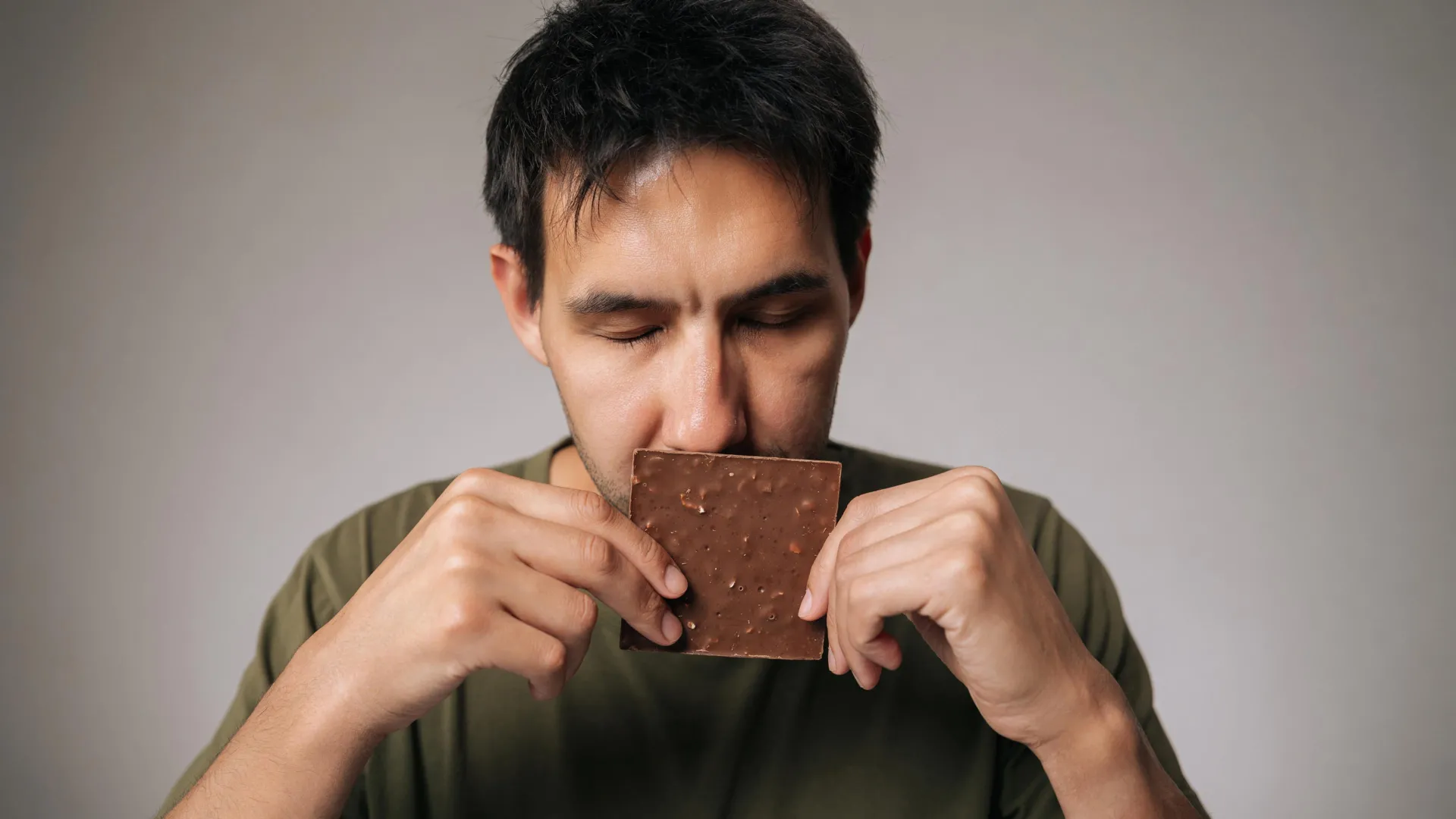
For decades, athletes and fitness enthusiasts have relied on pre-workout supplements—caffeinated powders, amino acids, and complex stimulants—to push past the "burn" of a grueling leg day. But according to a groundbreaking new study published in Frontiers in Physiology, the secret to increasing your training volume might not be found in a shaker bottle, but rather in the air you breathe. Researchers have discovered that the simple act of smelling chocolate can significantly enhance resistance exercise performance, allowing athletes to complete more repetitions without experiencing a corresponding increase in perceived exertion.
This fascinating intersection of olfaction, psychology, and sports science suggests that our brains are far more susceptible to sensory cues than previously understood. As the fitness industry pivots toward more holistic performance strategies, this study offers a compelling look at how the mind can be "tricked" into superior physical output.
The Science of the Scent: A Study in Psychobiology
The study, led by Dr. Mohamed Nashrudin bin Naharudin, an assistant professor at the Faculty of Sports and Exercise Science at the University of Malaya, sought to explore the often-overlooked connection between scent and physical exertion. While the relationship between smell and appetite is well-documented in clinical research, its role in exercise physiology has remained largely untapped.
"We know olfaction is powerfully wired into the brain’s appetite and emotion networks," Dr. Naharudin explained. "But surprisingly, no study has systematically looked at the three-way interaction between smell, appetite, and actual resistance exercise capacity."
To test this hypothesis, the research team recruited 23 healthy, moderately trained men in their early to mid-20s. To ensure a standardized physiological baseline, all participants underwent a 10-hour fast before the experimental sessions. The study design utilized three specific scent conditions: 90% cocoa dark chocolate, 60% cocoa milk chocolate, and an odorless water control.
Chronology of the Experiment
The experimental protocol was meticulously designed to isolate the effects of the aromas during high-intensity resistance training.
Pre-Exercise Baseline
Before any weights were lifted, participants were assessed on their hunger levels, fullness, and their immediate desire to consume food. This was crucial for establishing how the scents altered their internal state before physical stress was introduced.
The Resistance Protocol
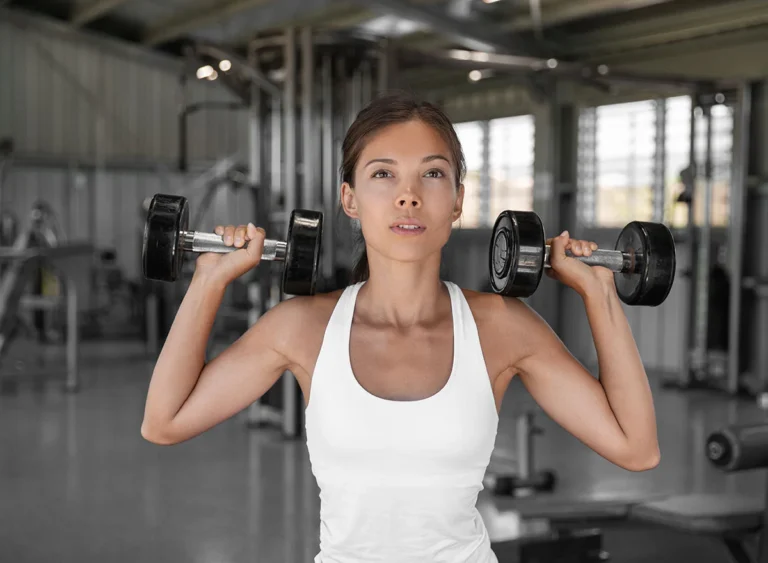
Participants engaged in leg extensions—a classic movement that isolates the quadriceps and is notorious for inducing muscular fatigue. Throughout the session, the researchers introduced the assigned scent samples in 30-second intervals between sets. This timing was critical, as it ensured the olfactory stimulus was fresh in the participants’ minds as they approached their next set of lifts.
Data Collection
Throughout the process, the research team monitored two primary variables: total training volume (total repetitions completed) and the Rating of Perceived Exertion (RPE). The latter is a standard psychometric tool used to measure how "hard" a subject feels they are working, regardless of the objective weight on the bar.
Supporting Data: Dark vs. Milk Chocolate
The results were as distinct as they were surprising. While both chocolate aromas provided a performance boost, the nature of that boost varied based on the cocoa content.
The Dark Chocolate Advantage
The 90% dark chocolate scent proved to be the most potent tool for suppressing appetite. Participants exposed to this aroma reported significantly lower hunger, reduced desire to eat, and a heightened sense of fullness compared to the control group. More importantly, this group saw the most dramatic increase in performance: an average of 18 additional repetitions of leg extensions compared to those who sniffed the water control.
The Milk Chocolate Effect
Conversely, the milk chocolate aroma—which participants rated as more pleasant—did not significantly alter appetite markers. However, it still provided a measurable performance increase, adding an average of nine repetitions compared to the control.
This creates a fascinating dichotomy in the data: while dark chocolate appears to work by modulating hunger signals and creating a "satiated" physiological state, milk chocolate appears to work as a hedonic reward cue, creating a more pleasant sensory environment that encourages the athlete to push harder without necessarily changing their metabolic state.
The Mechanism: Why Does the Brain Respond?
The researchers posit that the results are rooted in "learned associations." From childhood, humans are conditioned to associate specific food aromas with the act of consumption. Over years of experience, these smells serve as neural triggers, signaling to the brain that nutrients are on the way.
"The dark chocolate scent serves as a learned cue for a rich, bitter, and highly satiating food, which essentially tricks the system into an anticipatory state of fullness," says Dr. Naharudin. "The brain anticipates the arrival of calories, and in response, it shifts the body’s internal thermostat, effectively suppressing hunger signals even when the stomach remains empty."
This phenomenon—anticipatory homeostasis—suggests that the brain can prepare the digestive system for a meal before a single bite is taken. In the context of a workout, this "trick" provides a double benefit: it removes the psychological distraction of hunger and provides a cognitive boost that allows the muscles to work beyond their previously established limits.
Expert Perspectives and Limitations
While the findings are undeniably exciting, Dr. Naharudin and his team are quick to provide necessary scientific caveats. The study is a pilot, and the researchers acknowledge that the biological pathways remain speculative.
"We did not measure blood hormones or neural activity, so we cannot show exactly which biological pathways were responsible for the changes," Dr. Naharudin noted. Furthermore, the researchers admitted that the study had a small sample size—only 23 men—and lacked diversity in terms of age and fitness level. Additionally, the study design could not perfectly mask the control group, as the odorless water provided a distinct "nothingness" that participants could easily distinguish from the chocolate aromas.
Despite these limitations, the study opens a new door in exercise science. If the brain can be influenced by scent to ignore fatigue and suppress hunger, could other aromas be used to enhance endurance, recovery, or even explosive power?
Implications for Future Training
The potential applications of this research extend far beyond the leg press machine. For athletes looking to maintain high training volumes during a caloric deficit or "cutting" phase, the ability to suppress hunger through olfactory cues could be a game-changer.
Moreover, the research suggests that athletes might be able to create "performance anchors" using specific scents. By consistently smelling a particular aroma during training, an athlete may eventually condition their brain to enter a "performance state" whenever that scent is present.
Is Chocolate Unique?
The question remains whether chocolate is the only "performance" scent. Dr. Naharudin suspects that it is not. "We don’t think chocolate is entirely unique, though it is a food cue with incredibly strong, universally recognized reward associations," he stated.
It is highly probable that other familiar, comforting, or energizing scents could produce similar effects. However, the efficacy of these scents likely depends on the individual’s personal history with them. As Dr. Naharudin concluded, "A person likely needs to find the odor familiar and appealing—or at least not repulsive—to trigger the psychological shift in appetite that is needed to see a performance boost."
Conclusion: A Sensory Approach to Fitness
As the world of sports science continues to evolve, the focus is shifting from purely mechanical training to the complex psychobiology of the athlete. The discovery that a scent can boost leg extension volume by as much as 18 repetitions is a testament to the power of the mind-body connection.
While you shouldn’t throw away your training plan in favor of a box of chocolates just yet, the study invites us to reconsider the environment in which we exercise. Whether it is the smell of coffee, fresh citrus, or the deep, rich aroma of dark cocoa, our olfactory senses might just be the most underrated piece of equipment in the gym. As future research expands into larger and more diverse populations, we may find that the key to unlocking our true physical potential is as simple as taking a deep breath.