











This report provides a comprehensive analysis of the clinical and structural intersections between the COVID-19 pandemic and the global crisis of chronic metabolic disease. Last updated: October 24, 2020.
1. Main Facts: A Syndemic Perspective
The emergence of SARS-CoV-2 has acted as a catalyst, revealing the fragility of global public health infrastructure. While the virus itself is the primary infectious agent, its impact is filtered through the lens of pre-existing health disparities. A "syndemic" approach—the conceptual framework describing the interaction of two or more co-occurring epidemics—is essential to understanding why COVID-19 has been so devastating.
The fundamental reality is that SARS-CoV-2 does not affect all populations equally. While age and immunodeficiency remain primary drivers of clinical vulnerability, data has consistently pointed toward a third, critical factor: obesity. As the virus continues its global spread, the intersection of metabolic health and infectious disease has become a central focus for epidemiologists and clinicians alike. The correlation between excess body weight and the likelihood of severe respiratory complications has shifted from a hypothesis to a well-documented clinical reality.
2. Chronology: The Evolution of Scientific Understanding
The recognition of obesity as a major risk factor for COVID-19 did not occur overnight. It followed a trajectory of observational data collection and rigorous systematic review:
- Early 2020 (The Initial Observation): As COVID-19 cases surged in Wuhan and later in Northern Italy, clinicians began noting that patients requiring mechanical ventilation often presented with high Body Mass Indices (BMI).
- Spring 2020 (The US Surge): Data from the CDC and regional health departments in New York City confirmed that a significant proportion of hospitalized patients suffered from metabolic comorbidities, specifically hypertension and obesity.
- Summer 2020 (Quantitative Analysis): Global research efforts transitioned from anecdotal reporting to meta-analyses. By late summer, a seminal systematic review of 75 studies provided the first robust statistical picture of the risk.
- Fall 2020 (Integration of Social Determinants): By October 2020, the scientific conversation broadened to include the role of structural racism and systemic health inequities, acknowledging that the high rates of obesity in minority communities are often the result of food deserts, socioeconomic status, and historical disinvestment.
3. Supporting Data: The Quantifiable Impact of Obesity
The link between obesity and severe COVID-19 outcomes is not merely observational; it is supported by significant statistical evidence. According to a systematic review of 75 peer-reviewed studies, individuals classified as having obesity faced dramatically higher risks compared to their healthy-weight counterparts.
Specifically, the findings indicated:
- 113% higher likelihood of hospitalization: Individuals with obesity were more than twice as likely to require inpatient care, suggesting a faster progression from mild symptoms to respiratory distress.
- 74% higher risk of ICU admission: This statistic highlights the severity of the inflammatory response in obese patients, often necessitating aggressive respiratory support.
- 48% increased mortality rate: Even when accounting for age and sex, the statistical correlation between excess adipose tissue and mortality remains significant.
The Biological Mechanisms
Researchers are currently investigating why obesity acts as such a potent force-multiplier for SARS-CoV-2. Several biological pathways are currently under scrutiny:
- Chronic Systemic Inflammation: Adipose tissue is not inert; it is an active endocrine organ that secretes pro-inflammatory cytokines. In patients with obesity, the body is often in a state of "low-grade" chronic inflammation, which may prime the immune system to overreact (a "cytokine storm") when exposed to the virus.
- Metabolic Dysfunction: Obesity is frequently accompanied by metabolic syndrome, including insulin resistance and hyperlipidemia. These conditions compromise the body’s innate immune response.
- Pulmonary Mechanics: Excess weight, particularly central adiposity, can reduce lung capacity and diaphragm excursion. When a respiratory pathogen attacks the lungs, reduced pulmonary reserve makes it significantly harder for the patient to maintain adequate oxygenation.
- Comorbidities: Obesity rarely acts alone. It is the primary precursor to type 2 diabetes, cardiovascular disease, and chronic kidney disease—all of which are independent markers for severe COVID-19.
4. Official Responses and Health Disparities
The pandemic has disproportionately devastated racial and ethnic minority groups, particularly Black, Hispanic, and Native American communities. This is not a matter of biological destiny, but of structural inequity.
Addressing Systemic Inequities
Official public health discourse has increasingly focused on the "social determinants of health." In the United States, systemic health and social inequities have relegated many minority populations to environments where healthy food is expensive or unavailable, and where opportunities for safe physical activity are limited.
The COVID-19 pandemic has acted as a stress test for our healthcare systems, revealing profound shortcomings. Organizations like the Harvard T.H. Chan School of Public Health have advocated for coordinated federal obesity prevention efforts. These efforts must move beyond individual "diet and exercise" messaging and toward systemic policy changes, such as:
- Improving food environments in marginalized communities.
- Increasing funding for public health infrastructure that targets metabolic health as a form of pandemic preparedness.
- Addressing the socioeconomic barriers that prevent equitable access to preventative care.
5. Implications: Navigating a Healthier Future
While the scientific community awaits the definitive mechanisms behind the obesity-COVID link, the implications for public health are immediate. We must pivot toward a dual strategy: managing the acute infectious threat while simultaneously addressing the long-term chronic disease epidemic.
Protective Strategies for the Individual
While there is no "cure-all" diet to prevent COVID-19, the role of metabolic health in immune function cannot be overstated. Health experts recommend the following pillars for maintaining resilience:
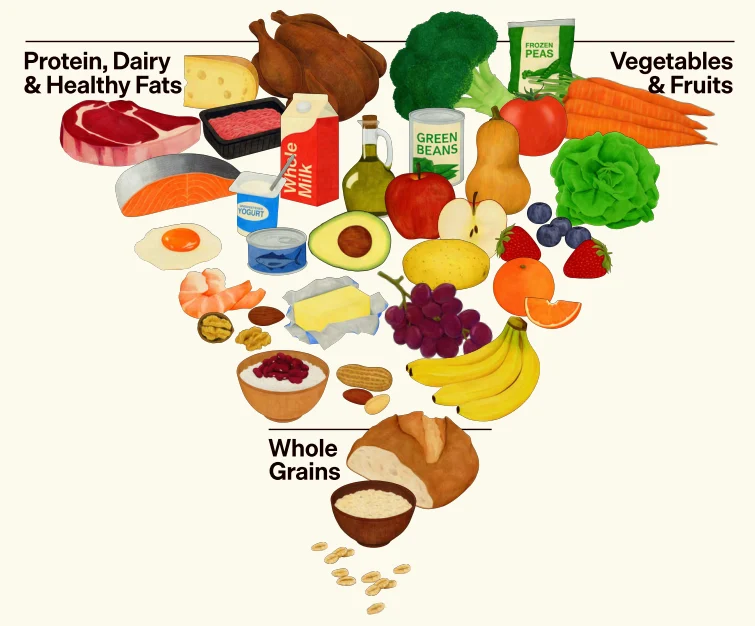
- Nutrient-Dense Nutrition: Focusing on whole, unprocessed foods supports the immune system. Micronutrient deficiencies can hinder the body’s ability to mount an effective defense against viral pathogens.
- Physical Activity: Regular, moderate exercise is one of the most effective ways to improve metabolic health and reduce systemic inflammation. Even small, consistent increases in activity levels can lead to measurable health gains.
- Stress Management and Sleep: Chronic stress increases cortisol levels, which can suppress immune function over time. Prioritizing 7–9 hours of quality sleep is essential for immune system repair and metabolic regulation.
Policy Implications: The Road Ahead
The "syndemic" nature of this crisis suggests that the next decade of public health policy must focus on the intersection of infectious disease and chronic illness. We cannot effectively fight future pandemics if we do not address the foundational health of the population.
This requires a departure from reactive medicine. Policy leaders must prioritize:
- Preventative Funding: Shifting budget priorities toward obesity prevention programs that reach vulnerable populations.
- Structural Reform: Creating urban and economic environments that make healthy living the default choice, rather than a privilege.
- Integrated Care: Designing healthcare models that treat metabolic comorbidities not as secondary issues, but as primary indicators of risk for all future infectious outbreaks.
Conclusion
The COVID-19 pandemic has served as a harsh instructor, teaching us that our health is inextricably linked to our environment and our collective social policies. As we move forward, the data is clear: protecting the most vulnerable requires us to address the root causes of metabolic disease. By strengthening the immune resilience of the population through improved nutrition, equitable access to health resources, and robust public health policy, we can better prepare for the next global health challenge.
For more information on nutrition and wellness during this time, please consult official resources such as the Harvard T.H. Chan School of Public Health’s "Nutrition Source," which offers evidence-based guidance for maintaining health in the face of the ongoing pandemic.