





By [Your Name/Journalistic Staff], with insights from Jana Wu, LCSW, LADC, ICAADC, CASAC
For over 15 years, Jana Wu has sat across from patients navigating the turbulent waters of mental health and substance use. Now, approaching 50, she has begun to view these clinical encounters through a dual lens—both as a seasoned practitioner and as a woman observing the societal pressures of her own generation.
A recurring, unsettling question defines her recent work: Why is our healthcare system so conditioned to silence women’s distress before we have even bothered to understand its origins?
This inquiry has been brought into sharp focus by the rise of kratom, an herbal substance derived from the leaves of a Southeast Asian evergreen tree. Wu, a nationally recognized expert on the substance, has observed a troubling trend: women in their late 30s to 60s are increasingly turning to kratom as a self-managed solution for the overwhelming anxieties of modern midlife.
The Modern Search for Functionality
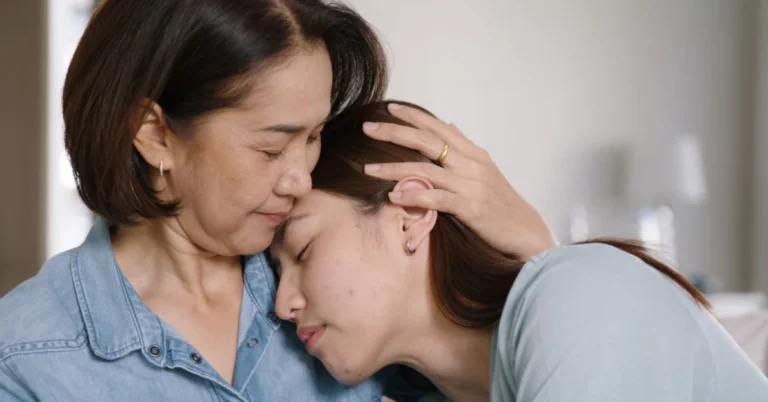
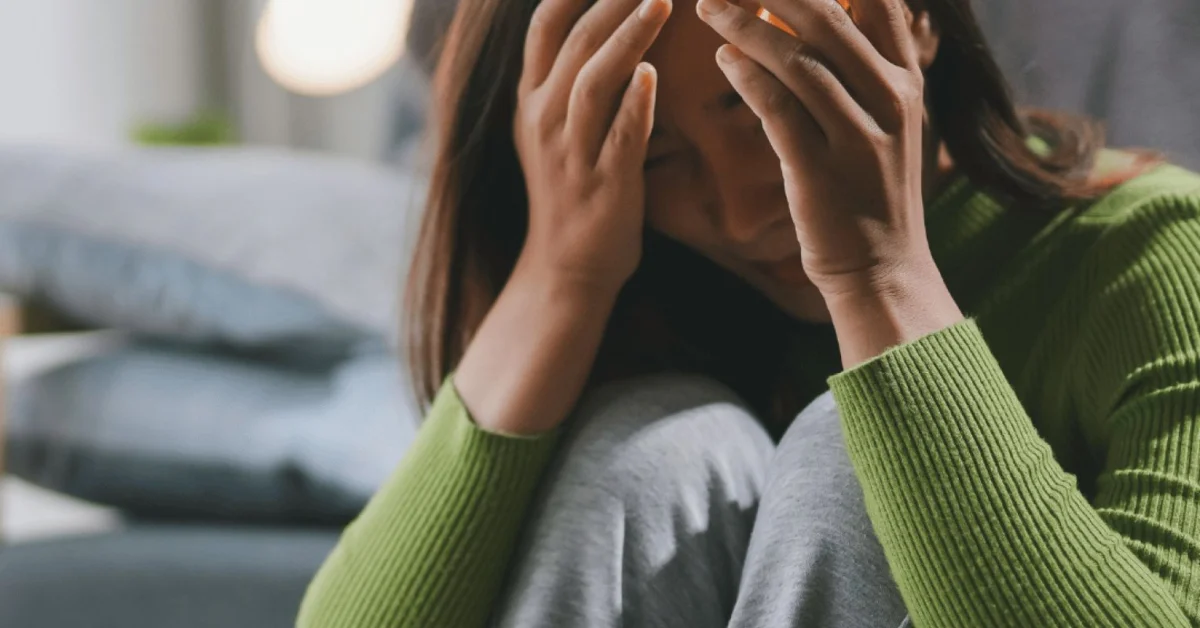
For many of these women, kratom is not sought as a recreational "high," but as a desperate bid for continued functionality. In a society that demands women be simultaneously high-performing career professionals, primary caregivers to children, and dutiful daughters to aging parents, the margin for error is razor-thin.
"They often describe it not simply as a way to feel better, but as a way to keep functioning in lives that already feel stretched to their limits," says Wu.
These women report that kratom provides a dual-action benefit: it dulls the sharp edges of anxiety and physical pain while providing the energy necessary to sustain a grueling daily schedule. However, this reliance on an unregulated substance reveals a deeper systemic failure—the tendency to prioritize the "management" of a woman’s symptoms over the investigation of her life’s context.
A Chronology of Suppression: From Hysteria to Benzodiazepines
The medical community’s habit of masking women’s distress is not a modern phenomenon; it is a legacy that stretches back centuries. To understand the current kratom trend, one must look at the historical trajectory of how female anxiety has been treated—or, more accurately, pathologized and sedated.
The 19th Century: Hysteria and Neurasthenia
In the 1800s, the medical establishment frequently diagnosed women with "hysteria" or "neurasthenia" to account for symptoms like insomnia, fatigue, irritability, and chronic pain. Rather than exploring the social, hormonal, or psychological underpinnings of these symptoms, physicians often prescribed bed rest or sedation, effectively silencing the patient.
The 1950s and 60s: The Era of "Mother’s Little Helper"
By the mid-20th century, the medical toolkit had evolved, but the philosophy remained stagnant. The introduction of tranquilizers like Miltown, followed by the 1963 launch of Valium, marked a turning point. Valium became the most prescribed medication in the United States, cementing a cultural norm where women were expected to use pharmaceuticals to "numb out" the pressures of domestic and professional life. This became so pervasive that it entered the cultural zeitgeist, immortalized by the Rolling Stones in their 1966 hit "Mother’s Little Helper."
The Present: The Kratom Pivot
Fast forward nearly 60 years, and while the medications have shifted from pharmaceutical tranquilizers to herbal supplements, the underlying dynamic persists. Many women, feeling that the traditional medical system has failed to offer them sustainable, non-addictive relief, are turning to kratom as a "natural" alternative—an attempt to reclaim autonomy from the pharmaceutical industrial complex.
The Mirage of "Natural" Relief: Supporting Data and Risks
The pivot toward kratom is, in many ways, an understandable reaction to the risks associated with long-term benzodiazepine use, which include physical dependence, cognitive impairment, and severe withdrawal. However, the assumption that "natural" equals "safe" is a dangerous fallacy in the eyes of clinical experts.
The Lack of Regulation
Unlike FDA-approved medications, kratom in the United States exists in a regulatory gray area. There is no standardized potency, meaning that a user may be consuming wildly different concentrations of alkaloids with every purchase. This unpredictability makes it nearly impossible for a user—or their physician—to manage dosages effectively.
The Dangers of Poly-Substance Use
Perhaps the most concerning aspect for addiction specialists is the prevalence of "stacking." Data from clinical settings suggest that many individuals who use kratom do not do so in a vacuum. It is frequently combined with:
- Alcohol: Leading to unpredictable, often synergistic effects that increase respiratory depression.
- Benzodiazepines: Exacerbating the risk of over-sedation.
- Opioids: Increasing the risk of severe, potentially fatal respiratory failure.
"This is a risk I do not think we talk about enough," Wu warns. Because kratom is often sold in gas stations or boutique shops, users may not be aware of the pharmacological interactions occurring within their own systems.
Official Responses and the Clinical Dilemma
The medical community remains divided on how to approach kratom. While some point to its potential for pain management, the FDA has issued multiple warnings regarding the lack of evidence for its safety and efficacy, and the Drug Enforcement Administration (DEA) has previously considered, though paused, plans to classify its active compounds as controlled substances.
For the clinician, the dilemma is acute. When a patient presents with anxiety during perimenopause—a period marked by hormonal volatility and the "sandwich generation" stress of caring for both children and aging parents—the medical response is often too narrow.
"Our healthcare system is often better equipped to quiet a symptom than to understand the life surrounding it," says Wu.
Effective care requires a holistic approach:
- Curiosity over Prescription: Providers must spend time investigating the patient’s environmental stressors, hormonal health, and psychological history before resorting to chemical intervention.
- Addressing the "Why": Determining whether a patient’s symptoms are stemming from physiological changes (perimenopause) or situational overload (caregiving demands).
- Risk Mitigation: Open dialogue about substance use is vital. If a patient is using kratom, clinicians need to understand the motivation—are they looking for energy, pain relief, or anxiety reduction?—to provide safer, evidence-based alternatives.
The Implications: Whose Discomfort Are We Treating?
The most profound question posed by this issue is, "Whose discomfort are we treating?"
Often, the rush to medicate a woman’s anxiety is not merely about her comfort; it is about ensuring she remains a productive, silent cog in the machine of daily life. By providing a quick fix—whether it’s a pharmaceutical sedative or an unregulated herbal supplement—we are inadvertently participating in the maintenance of a status quo that expects women to function at superhuman levels without ever addressing the structural issues that cause their distress.
We must move beyond the binary choice of either "enduring severe anxiety" or "relying on a substance to make it disappear."
The Path Forward
To truly support women in midlife, the healthcare system must pivot toward a model of long-term care that prioritizes:
- Comprehensive Screening: Understanding the root causes of distress rather than treating symptoms in isolation.
- Provider Education: Improving physician literacy regarding kratom and other emerging substances so they can have non-judgmental, informed conversations with patients.
- Systemic Advocacy: Recognizing that individual health is inextricably linked to social and professional expectations.
As Jana Wu notes, sometimes the journey into substance use begins years earlier with a well-meaning provider who offered a prescription because they, too, wanted to help. But when relief becomes the only treatment plan, the patient is left without a roadmap for recovery. It is time we stop asking women to suppress their distress and start asking what our society can do to change the conditions that make such distress an inevitable, yet ignored, part of their lives.