










Published September 24, 2026
In the modern yoga studio, the practice almost universally begins with the same directive: tune into the breath. Students are guided to observe the cadence and quality of their inhalation and exhalation, slowly lengthening the cycle to calm the nervous system. Once the breath is established, the instruction shifts to “tuning into the body.” But for many practitioners, this remains an abstract concept. How does one truly foster an intimate, communicative relationship with their own anatomy?
The answer may lie in a specialized mobility framework known as Controlled Articular Rotations (CARs). While yoga classes frequently feature wrist rolls, hip circles, and neck rotations as warm-ups, CARs take these intuitive movements and refine them into a precise, evidence-based discipline. By moving a joint slowly and deliberately through its entire available range of motion while ensuring neighboring joints remain stationary, practitioners can unlock a deeper level of physical literacy and joint longevity.
The Evolution of Joint Hygiene
The concept of "joint hygiene" has moved to the forefront of functional fitness, gaining significant traction within the yoga community. As the human body ages, joints naturally experience increased stiffness. This physiological degradation can limit the range of motion necessary for both complex yoga postures and the simple requirements of daily life.
Physical therapists, such as Jen Hosler, a mobility specialist trained in the Functional Range Systems (FRS) framework, argue that CARs represent an essential tool for long-term health.
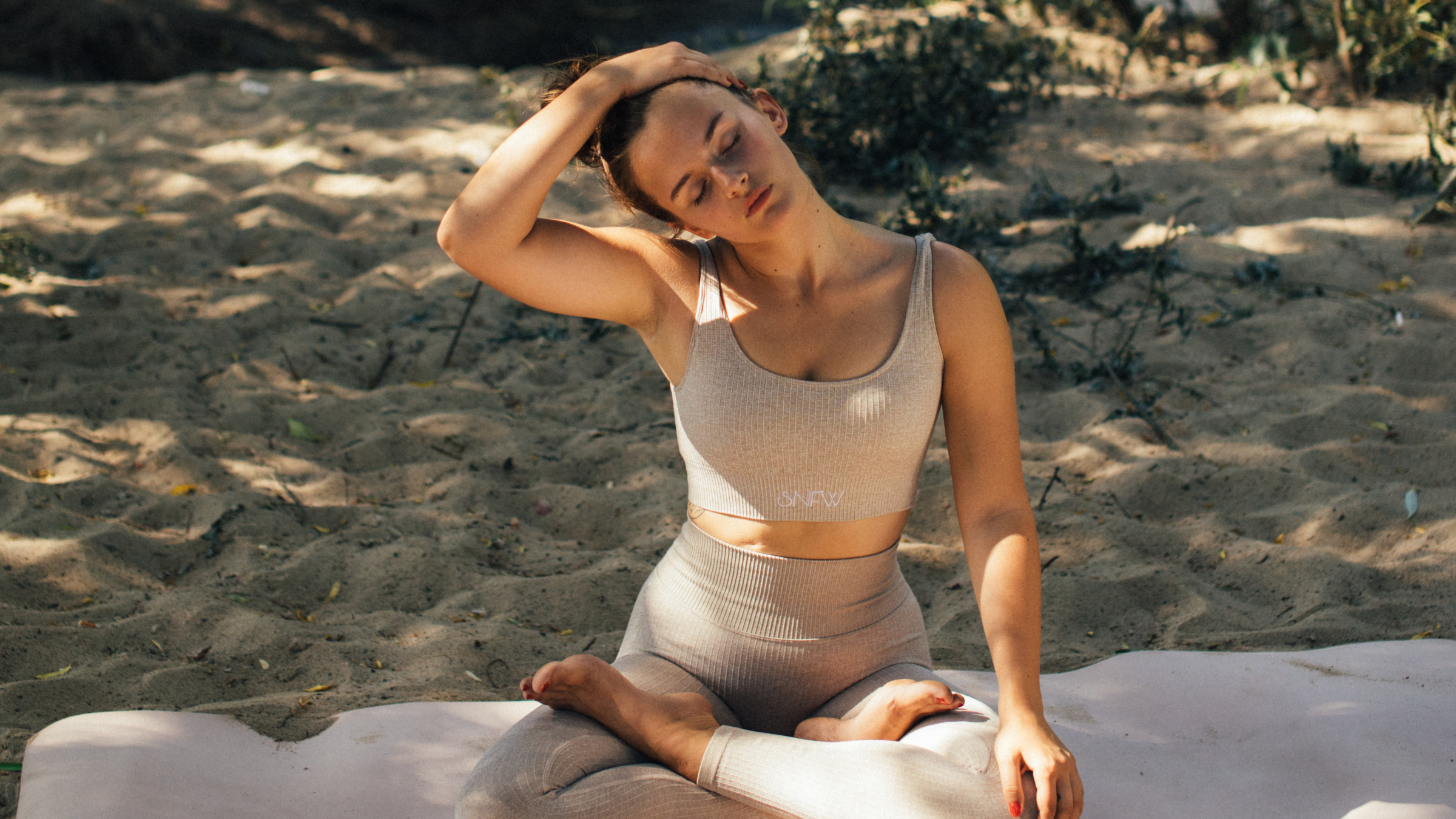
“CARs are a really low-hanging fruit for a lot of people because they’re highly accessible,” Hosler explains. “I like to use them as a body literacy tool. We are constantly told to ‘listen to our bodies,’ but that advice is fundamentally incomplete. Nobody teaches you how to actually do it. CARs provide the vocabulary for that conversation.”
The Science and Anatomy of CARs
To understand the efficacy of CARs, one must understand the anatomy of the joint. Joints are the critical junctions where bones meet, enabling the flexion, extension, and rotation required for human movement. Within these spaces resides synovial fluid—a viscous, nourishing liquid that acts as both a lubricant and a transport system for nutrients.
When joints are left immobile, the production and circulation of synovial fluid decrease, which can lead to friction and eventual degradation of the cartilage. CARs serve as a pump for this fluid. By actively moving the joint through its full circular capacity, the practitioner ensures that the articular capsule is nourished, healthy, and resilient.
Furthermore, CARs act as a diagnostic tool. By performing these movements daily, a practitioner establishes a sensory baseline. If a joint feels unusually restricted or painful on a given morning, the practitioner can immediately identify the change, potentially preventing future injuries.
A Tiered Approach to Mobility
The beauty of CARs lies in their scalability. According to the FRS framework, there are three distinct levels of application, allowing both beginners and advanced athletes to integrate the practice into their routines.
- Level One (Unchallenged): This is the baseline, consisting of free-form, unweighted joint rotations. These are ideal for daily maintenance and habit-building.
- Level Two (Blocked): This level introduces "blocking." By using a yoga block, a wall, or the floor to immobilize adjacent joints, the practitioner ensures that movement is isolated entirely to the target joint. This prevents "cheating"—where the body compensates for a lack of mobility in one area by over-relying on another.
- Level Three (Resisted): For those who are hyper-mobile or require increased neuromuscular control, resistance is added—often in the form of light dumbbells or manual resistance. This forces the nervous system to engage muscles more deeply, building strength at the outer edges of the range of motion.
Five Practical Applications for the Yoga Mat
Integrating CARs into a yoga sequence does not require additional equipment or extended time. In fact, these movements can be woven into existing poses to deepen the physical experience.
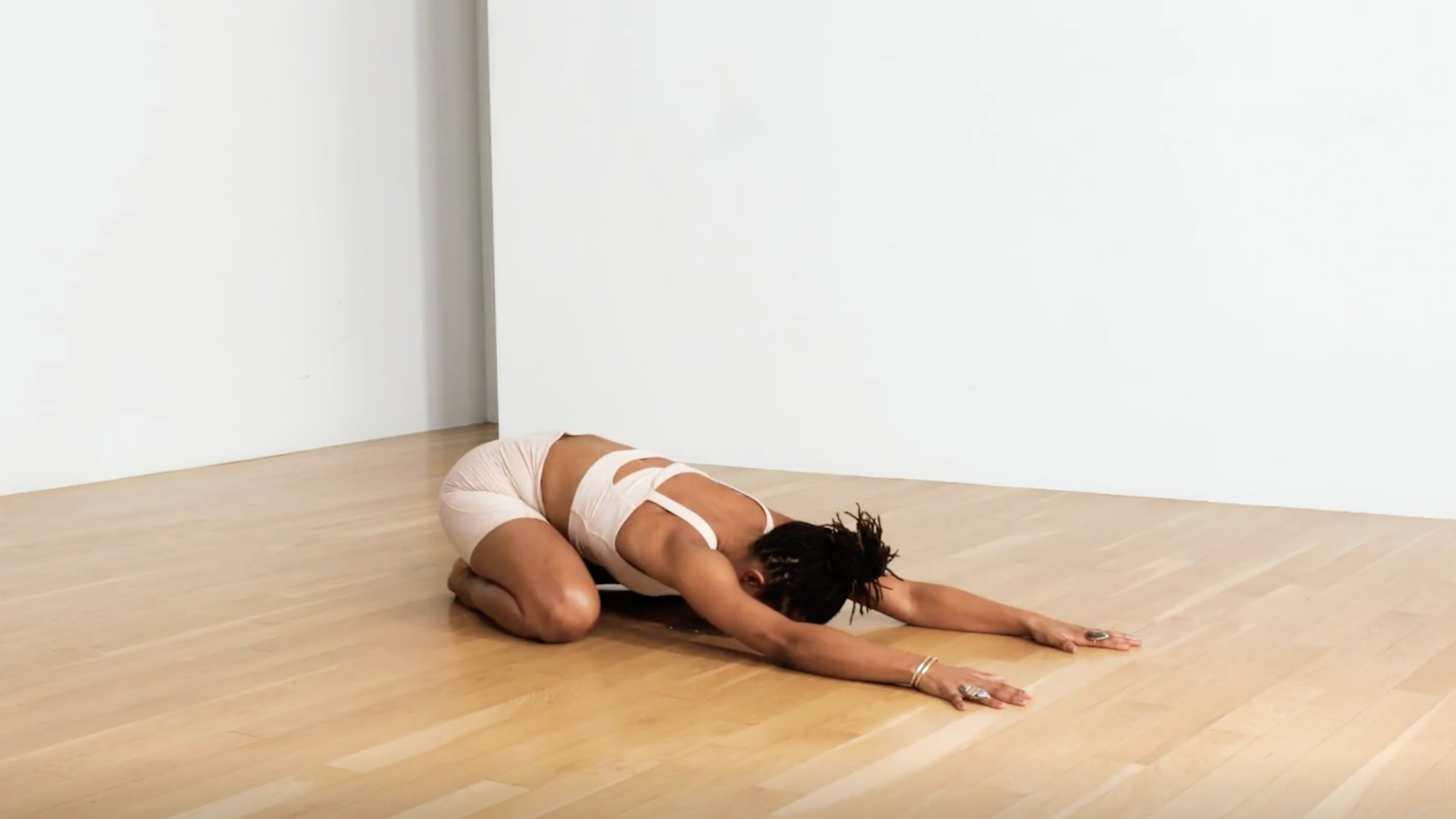
1. Shoulder Circles in Child’s Pose (Balasana)
Child’s Pose is often viewed as a restorative rest, but it is also an ideal environment for shoulder isolation. The floor provides feedback, helping to stabilize the thoracic spine.
- The Technique: Start in Child’s Pose with your forehead on the mat. Use your left hand to press into the floor, stabilizing your upper back. Slowly lift your right arm, sweeping it out to the side and rotating it behind you until the elbow points toward the ceiling. Reverse the motion with extreme control.
2. Hip Circles in Tabletop
While Cat and Cow are staples of Tabletop, hip CARs add a vital layer of mobility to the pelvic girdle.
- The Technique: From Tabletop, bring your right knee toward your chest. Without shifting your torso or changing the angle of your pelvis, open the knee to the side. Continue to rotate the thigh until you are “stamping” your foot toward the ceiling. Reverse the movement back to the start.
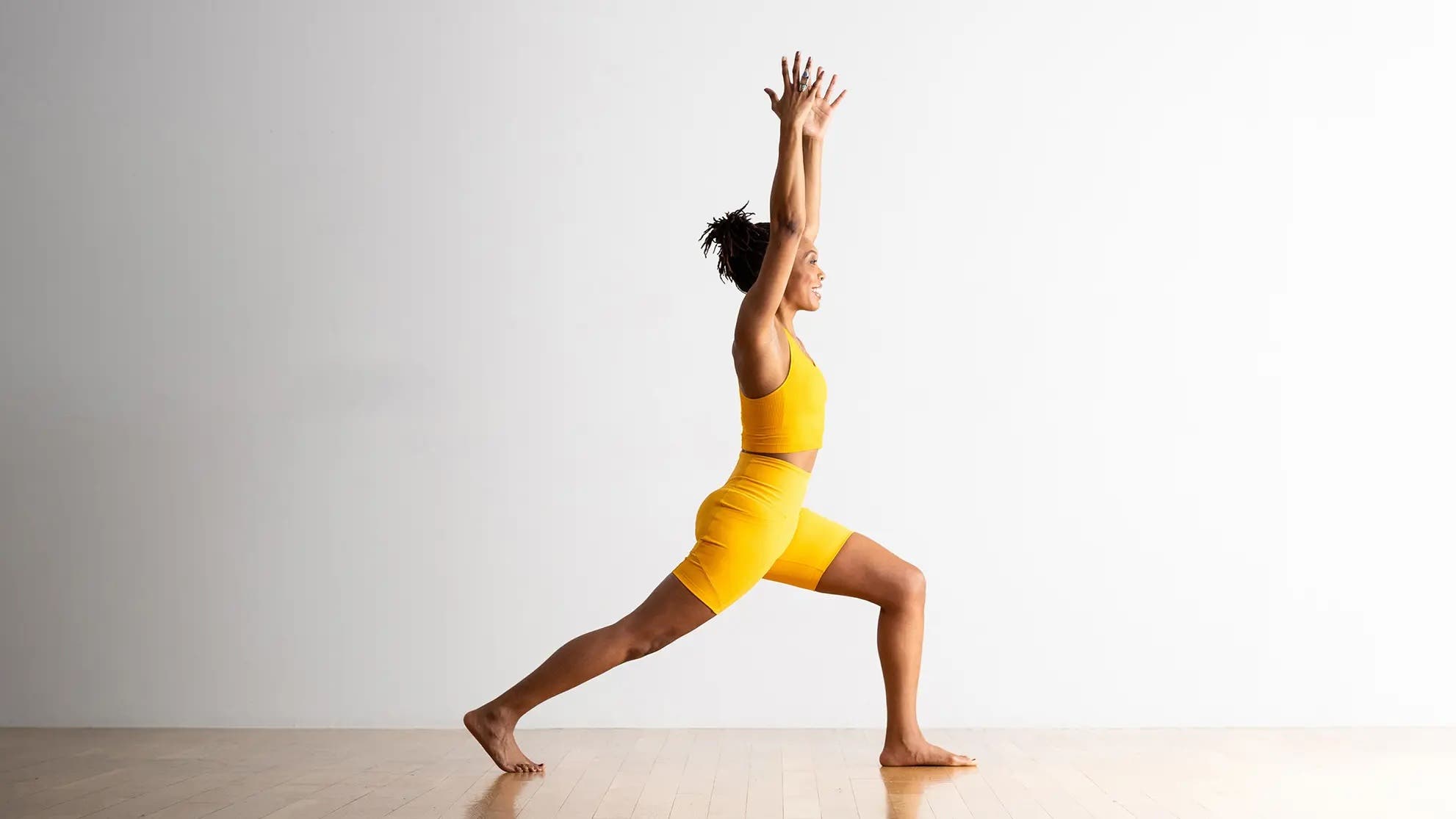
3. Wrist Circles in High Lunge
For practitioners working toward handstands or arm balances, wrist health is paramount.
- The Technique: While holding a High Lunge, extend your arms forward. Perform controlled circles with your wrists, moving through flexion, extension, and lateral deviation. Keep the forearm completely still; if necessary, grasp the forearm with your opposite hand to ensure the movement stays localized in the wrist joint.
4. Ankle Circles in Half Split
We often focus on the hamstrings in Half Split, but the ankle is frequently ignored.
- The Technique: From a Half Split position with your front heel grounded, flex your foot by pulling your toes toward your shin. Roll the foot outward, then point the toes away from you, and roll the foot inward back to neutral. By keeping the heel grounded, you isolate the movement to the ankle joint.
5. Knee CARs in Heron Pose
Knee joint rotation is subtle but critical for those with chronic knee tension.
- The Technique: Sit tall and cradle your left leg with your forearm or hands behind the thigh. With the leg lifted, externally rotate the shin as you extend the leg, then internally rotate it as you return to neutral. Placing a hand on the knee can help you feel the tibia shifting correctly.
Implications for Longevity
The goal of implementing CARs is not necessarily to force the body into more extreme ranges of motion, but rather to "own" the range that already exists. In the context of yoga, this means that the transition between poses becomes more fluid, the risk of strain is minimized, and the practitioner develops a profound sense of body control.
It is common for beginners to experience minor clicking or popping in the joints during these movements. In most cases, this is a benign byproduct of increased joint activity. However, if these sounds are accompanied by sharp pain or a feeling of instability, it is crucial to consult a physical therapist or a certified mobility specialist.
Conclusion: A Shift in Perspective
The integration of CARs into a yoga practice represents a transition from "doing" yoga to "inhabiting" the body. By applying the principles of joint hygiene, practitioners move beyond the aesthetic pursuit of flexibility and toward the functional pursuit of longevity. As Jen Hosler notes, perfection is never the objective. The true success of a CARs practice is found in the consistency of the movement and the increased clarity of the internal, physiological map. Whether you are a seasoned yogi or a novice, these simple, deliberate rotations offer a path to a more resilient, responsive, and connected physical self.