






By Jana Wu, LCSW, LADC, ICAADC, CASAC
In my fifteen years of practice within the fields of mental health and substance use treatment, I have frequently confronted a persistent, uncomfortable truth. As I approach my 50th birthday, the inquiry has shifted from a professional observation to a deeply personal reflection: Why is our medical and social infrastructure so intensely focused on silencing women’s distress before we have taken the time to truly understand its origins?
This question has gained renewed urgency through my work with the rising prevalence of kratom use. I encounter women—ranging from their late 30s to their 60s—who have arrived at this herbal supplement not out of recreational curiosity, but as a desperate bid to manage the crushing weight of anxiety, chronic pain, and, perhaps most tellingly, a profound lack of energy.
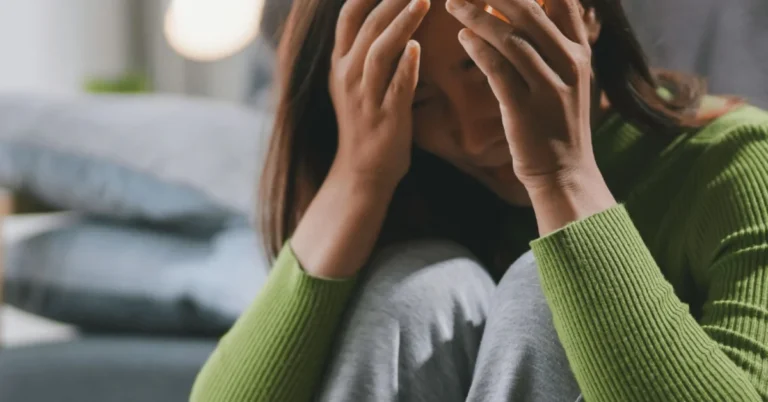
These women describe their lives as being stretched to the absolute breaking point. They aren’t looking for a "high"; they are looking for the stamina to maintain a status quo that demands they simultaneously excel in careers, nurture children, care for aging parents, and navigate the biological shifts of midlife. When they turn to substances, they are often seeking an auxiliary fuel source for a life that feels increasingly unsustainable.
A Chronology of Suppression: From Hysteria to "Mother’s Little Helper"
To understand the current crisis, we must look at the historical precedent of how we treat female distress. We have a long, documented tendency to view women’s psychological and physiological struggles as systemic "faults" to be corrected rather than signals to be interpreted.
In the 19th century, the medical establishment frequently relied on diagnoses like "hysteria" or "neurasthenia." These umbrella terms served as convenient catch-alls for symptoms that defied easy explanation: insomnia, irritability, chronic fatigue, and unexplained pain. The treatment for these "conditions" was almost always sedation, a trend that evolved seamlessly into the 20th century.
By the mid-1900s, the medical response moved from tonics to synthetic tranquilizers. Drugs like Miltown became household names, eventually giving way to the era of the benzodiazepine. Valium, introduced in 1963, became a cultural touchstone. It was so embedded in the domestic fabric of the time that the Rolling Stones’ 1966 hit, "Mother’s Little Helper," became a cynical anthem for the suburban woman relying on chemical assistance to survive the pressures of family life.
Nearly sixty years later, the prescription pads have changed, but the underlying dynamic remains stagnant. We are still asking women to rely on pharmacological crutches to meet societal expectations, yet we are rarely asking what happens when the distress outlasts the medication.
The Midlife Trap: Biological and Societal Convergence
The contemporary crisis of substance use in women cannot be decoupled from the realities of midlife. As women transition through perimenopause and menopause, they face a convergence of hormonal volatility and peak societal responsibility.
Hormonal shifts often manifest as sudden, intense anxiety, sleep disruption, and cognitive fog. Yet, when these women present to primary care physicians, the medical system is often optimized for symptom management rather than root-cause analysis. It is far more efficient, within a five-minute consultation, to prescribe a sedative than it is to investigate the complex interplay of endocrine changes, psychological stressors, and environmental exhaustion.
This "quick fix" model carries significant risks. Benzodiazepines, while medically valid in specific acute contexts, carry the heavy burden of potential physical dependence and, in many cases, difficult withdrawal syndromes. For a woman already juggling the "sandwich generation" demands of children and aging parents, a dependency on a prescription medication can become another source of terror—another plate to spin in an already precarious existence.
Kratom: The New Frontier of Self-Medication
It is within this vacuum of effective, holistic care that kratom has emerged. It is a mistake to suggest that benzodiazepine use directly "causes" kratom use, but there is a clear, thematic continuity. Both represent a search for an external tool to manage internal dissonance.
For many, kratom represents a rejection of the traditional pharmaceutical industrial complex. Women tell me they gravitate toward it because it is perceived as "natural," "traditional," and "traditionalist." It feels like a way to reclaim autonomy from a medical system that has historically dismissed their concerns.
However, the distinction between "natural" and "safe" is one that requires urgent public education. Because kratom is not regulated as an FDA-approved medication, the potency and purity of products found in smoke shops and online vary wildly. A consumer has no standardized way of knowing what they are ingesting.
Moreover, the danger is compounded by polysubstance use. In my clinical experience, I frequently see patients who are layering kratom on top of alcohol, benzodiazepines, or even opioids. This is a quiet, brewing public health crisis. The combination of sedative-hypnotics and kratom can lead to dangerous respiratory depression and excessive sedation, yet this specific interaction is rarely discussed in primary care settings.
Official Perspectives and the Research Gap
The scientific and regulatory community remains in a state of catch-up regarding kratom. While the FDA has issued warnings regarding the safety profile of the substance, citing potential for abuse, addiction, and risk of death, the lack of robust clinical trials means that medical providers are often left without a standardized protocol for addressing patient use.
Professional organizations, such as the American Society of Addiction Medicine (ASAM), emphasize the need for integrated, evidence-based treatment that looks beyond the substance to the comorbid conditions—the anxiety, the trauma, and the situational stressors—that drive consumption. The consensus is shifting toward a model that prioritizes comprehensive mental health screenings, yet the implementation of this in rural and underserved areas remains lagging.
Implications: Whose Discomfort Are We Treating?
Ultimately, we must address the difficult question: Whose discomfort are we treating? When a woman is prescribed a sedative, are we treating her agony, or are we treating the discomfort of a society that demands she remain functional, compliant, and quiet?
We must move toward a model of care that honors the complexity of women’s lived experiences. This means:
- Reframing the Narrative: We must stop pathologizing the female experience of stress. Fatigue, anxiety, and pain are often logical responses to a life that is truly overwhelming.
- Clinical Curiosity: Providers must prioritize patient history over rapid symptom suppression. We need to ask why the distress has appeared now, at this stage of life, and what it is signaling about the patient’s environment.
- Holistic Interventions: If we truly want to help women, we must offer more than a pill. This includes evidence-based psychotherapy, nutritional support, hormonal management, and systemic changes that acknowledge the reality of the "second shift" domestic burden.
- Harm Reduction and Education: We must be transparent about the risks of unregulated substances like kratom without shaming the patients who reach for them. Shame is a primary driver of substance use; compassion and education are the antidotes.
The goal is not to eliminate all discomfort—a certain level of stress is an inherent part of the human condition. The goal is to provide women with the tools to navigate their lives without requiring a chemical bypass to survive them.
As clinicians, researchers, and family members, our responsibility is to listen—really listen—to the stories of how these women arrived at our doors. The history of women’s health is littered with stories of "relief" that became traps. It is time to ensure that the future of women’s health is defined by genuine, patient-centered healing rather than the perpetual management of symptoms.
About the Author
Jana Wu, LCSW, LADC, ICAADC, CASAC, is a clinician at Mountainside Treatment Center specializing in PTSD, anxiety, depression, and co-occurring disorders. As a nationally recognized expert on kratom, she founded the country’s first clinician-led kratom support group and has presented on emerging substances to professional audiences nationwide. Her expertise has been featured in The Wall Street Journal, Rolling Stone, and on NBC News. She was a founder of the Addictions Committee of the Connecticut chapter of the National Association of Social Workers.