










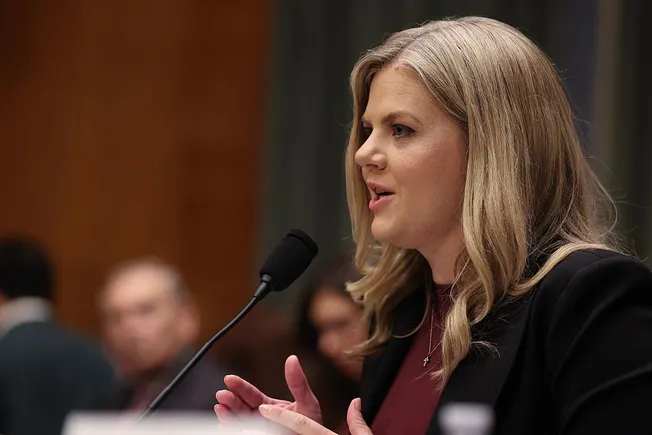
In a high-stakes confirmation hearing that underscored the tension between regulatory independence and political directives, Dr. Heidi Overton, President Donald Trump’s nominee for Commissioner of the Food and Drug Administration (FDA), faced intense scrutiny from members of the Senate Health, Education, Labor, and Pensions (HELP) Committee on Thursday.
As the agency attempts to navigate a period of unprecedented turbulence, Overton’s testimony was characterized by a delicate attempt to balance her loyalty to the administration’s policy agenda with a commitment to traditional scientific rigor. The hearing, which lasted several hours, touched upon the most volatile issues in modern American public health: the integrity of vaccine schedules, the legal landscape surrounding reproductive health, and the urgent need to maintain U.S. biotechnology dominance in the face of global competition.
The Context: A Regulatory Agency in Flux
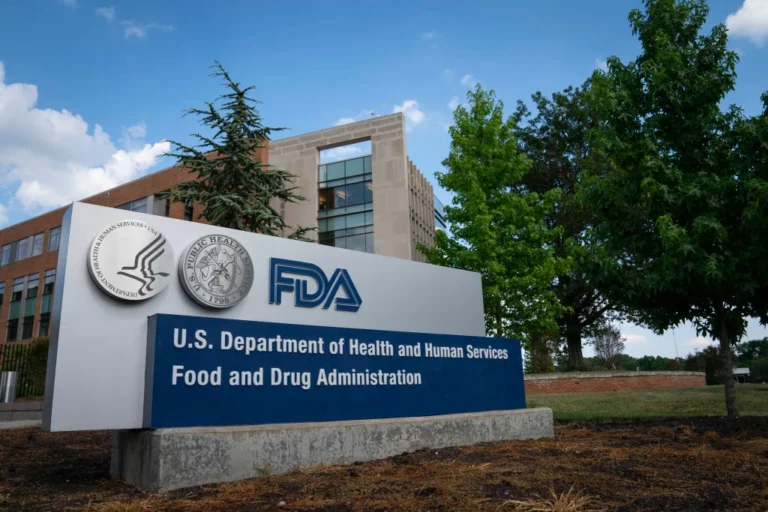
To understand the weight of Overton’s nomination, one must look at the recent history of the FDA. The agency has spent the last 18 months in a state of administrative upheaval. Following the resignation of Dr. Martin Makary, the FDA’s first commissioner under the current administration, the agency saw a wave of senior staff departures and a series of controversial policy reversals that left both drug manufacturers and public health advocates in a state of confusion.
The agency’s reputation was bruised by accusations of political interference and inconsistency in its regulatory decisions. The departure of key personnel left a void that was temporarily filled by acting leader Kyle Diamantas, but the industry has been clamoring for a permanent, steady hand. In September, the Department of Health and Human Services (HHS) took steps to stabilize the ship by appointing Michael Davis and Karim Mikhail as permanent directors of the agency’s two primary drug offices—a move that was widely welcomed by biotech analysts who viewed it as a return to more conventional, evidence-based leadership.
Chronology of a Tumultuous Tenure
The backdrop of Overton’s nomination is the controversial legacy of her predecessor, Martin Makary. During his tenure, the FDA moved away from established consensus, particularly regarding COVID-19 protocols. Makary, alongside his top deputy Vinay Prasad, implemented stringent frameworks for COVID-19 boosters that often deviated from global standards.
Simultaneously, the broader health landscape was being reshaped by Robert F. Kennedy Jr., the Health and Human Services Secretary. Kennedy, a vocal vaccine skeptic, appointed a hand-picked panel to the Centers for Disease Control and Prevention (CDC) that issued recommendations questioning established childhood vaccination schedules. This culminated in an executive order in August, championed by the White House, which sought to significantly pare down the U.S. immunization schedule and suggested splitting the combined measles, mumps, and rubella (MMR) vaccine into three separate injections. President Trump’s characterization of the MMR vaccine as “lethal” during the rollout of this order set a tone of hostility toward existing agency data, leaving the FDA in the crosshairs of a deepening ideological divide.
The Confirmation Hearing: Tough Questions for the Nominee
The confirmation hearing on Thursday was led by Senator Bill Cassidy (R-La.), who holds the keys to Overton’s path forward. Cassidy, visibly frustrated by past interactions with the administration’s health officials, did not mince words.
The Vaccine Dilemma
Cassidy directly confronted Overton regarding her public support for the President’s executive order on childhood vaccines. “You were standing behind President Trump when he called the MMR vaccine ‘potentially quite lethal.’ Is the MMR vaccine safe and effective?” Cassidy asked.
Overton’s response was a precise calibration. She affirmed that the MMR vaccine is “safe and effective” and remains the “best tool right now in the public health response to the measles outbreak.” She further stated that all vaccines currently marketed in the U.S. meet the FDA’s safety standards. However, the tension in the room remained palpable. Cassidy reminded the nominee that he had previously received similar assurances from Secretary Kennedy, only to have those promises broken when the Secretary cited the President’s direct orders as justification for reversing course.
Reproductive Health and Mifepristone
The questioning shifted to the abortion pill mifepristone, a focal point for anti-abortion activists and a target for potential federal restriction. Senator Lisa Murkowski (R-Alaska) pressed Overton on her previous writings at the America First Policy Institute, where she had characterized the drug as “dangerous.”
Overton acknowledged the FDA’s long-standing stance that the medication meets safety and effectiveness standards, but she refused to commit to maintaining the current access protocols, noting that she did not want to “prejudge” the ongoing safety study currently being conducted by the agency. This non-committal answer highlights the potential for the FDA to move toward stricter, perhaps politically motivated, oversight of the drug if Overton is confirmed.
Supporting Data and Strategic Goals: The China Factor
Despite the focus on social issues, a significant portion of the hearing was dedicated to the future of American biotechnology. Overton articulated a clear vision for the FDA’s role in global competition, specifically targeting the rise of China’s biotechnology industry.
Overton signaled her support for initiatives such as "Operation Trialblazer," a program designed to accelerate early drug research and streamline the approval process for clinical trials. She argued that the FDA must optimize its drug development pipeline to ensure that innovation remains in the United States.
“If I have the privilege of being confirmed, I will work with the dedicated career professionals to make sure every aspect of clinical trials and drug development is optimized,” Overton stated. “This will not only bring development back to the United States; it will bring cures to patients faster.”
This focus on efficiency and global competitiveness was well-received by industry analysts. RBC Capital Markets analyst Brian Abrahams noted that the hearing was a "net positive" for the industry, emphasizing that Overton’s focus on U.S. innovation and her stated openness to working with career staff suggest a potential for stability, provided she can successfully insulate the agency’s scientific processes from political pressure.
Implications for the Future of the FDA
The implications of Dr. Overton’s confirmation—or lack thereof—are profound. If she is confirmed, the FDA will be tasked with navigating a tightrope between the administration’s populist health agenda and the scientific community’s demand for data-driven regulation.
The Regulatory Balancing Act
The primary question remains whether Overton will be an extension of the administration’s ideological goals or a defender of the agency’s historical independence. Her vow to “follow the law” in making “individual product determinations” is the standard rhetoric for nominees, but in the current climate, it carries the weight of a pledge against potential executive overreach.
The Political Calendar
The timing of the confirmation vote is also a source of uncertainty. Analysts suggest that the vote’s success may depend on whether it occurs before or after the upcoming midterm elections in November. A delay could leave the FDA in a prolonged state of administrative limbo, further stalling long-term policy initiatives.
The Role of Career Staff
A critical element of the agency’s future, as noted by observers, is the relationship between the Commissioner and the "dedicated career professionals" within the FDA. The return of traditional leadership in the agency’s drug offices is a positive sign, but it remains to be seen if that structure will survive a transition to a new Commissioner with a background as a policy aide in a highly ideological administration.
Conclusion: A Delicate Path Ahead
Heidi Overton’s nomination represents a critical juncture for the Food and Drug Administration. Her testimony revealed a candidate who is acutely aware of the political pressures surrounding the agency but who is also determined to project an image of scientific stewardship.
While her commitment to supporting biotech innovation and accelerating research provides a clear roadmap for the pharmaceutical industry, her positions on vaccines and reproductive health continue to stir unease among lawmakers and public health officials alike. As the Senate prepares for the final vote, the ultimate test for Dr. Overton will not be her rhetoric during the hearing, but her ability to maintain the integrity of the FDA’s decision-making process against the encroaching tides of political influence. Whether she becomes the stabilizing force the agency desperately needs or another casualty of Washington’s ongoing ideological battles remains to be seen.