The era of “one-size-fits-all” cancer treatment is rapidly fading. For decades, oncologists have relied on aggregate data—averages derived from large clinical trials—to determine the standard of care for broad populations. But as medicine moves toward a more granular understanding of biology, the fundamental question has shifted from “Does this therapy work for most people?” to “Does this therapy work for this specific patient?”
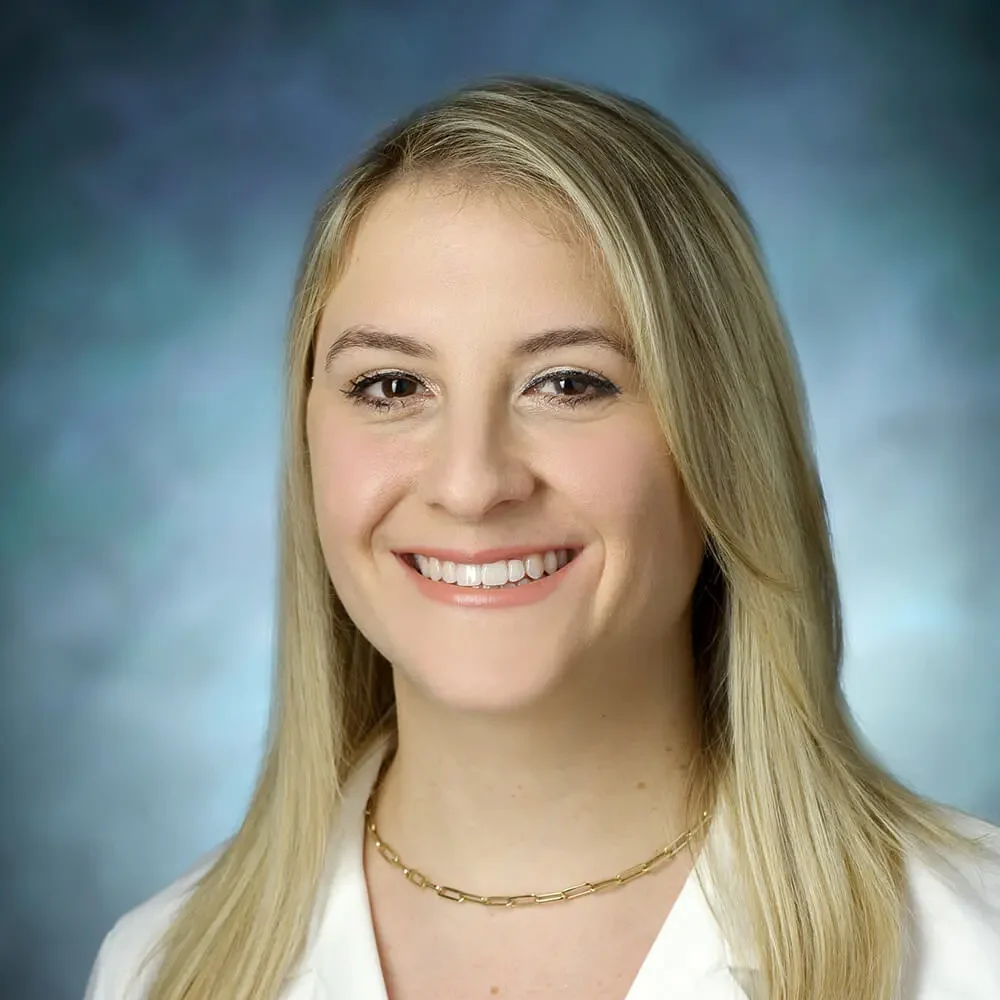
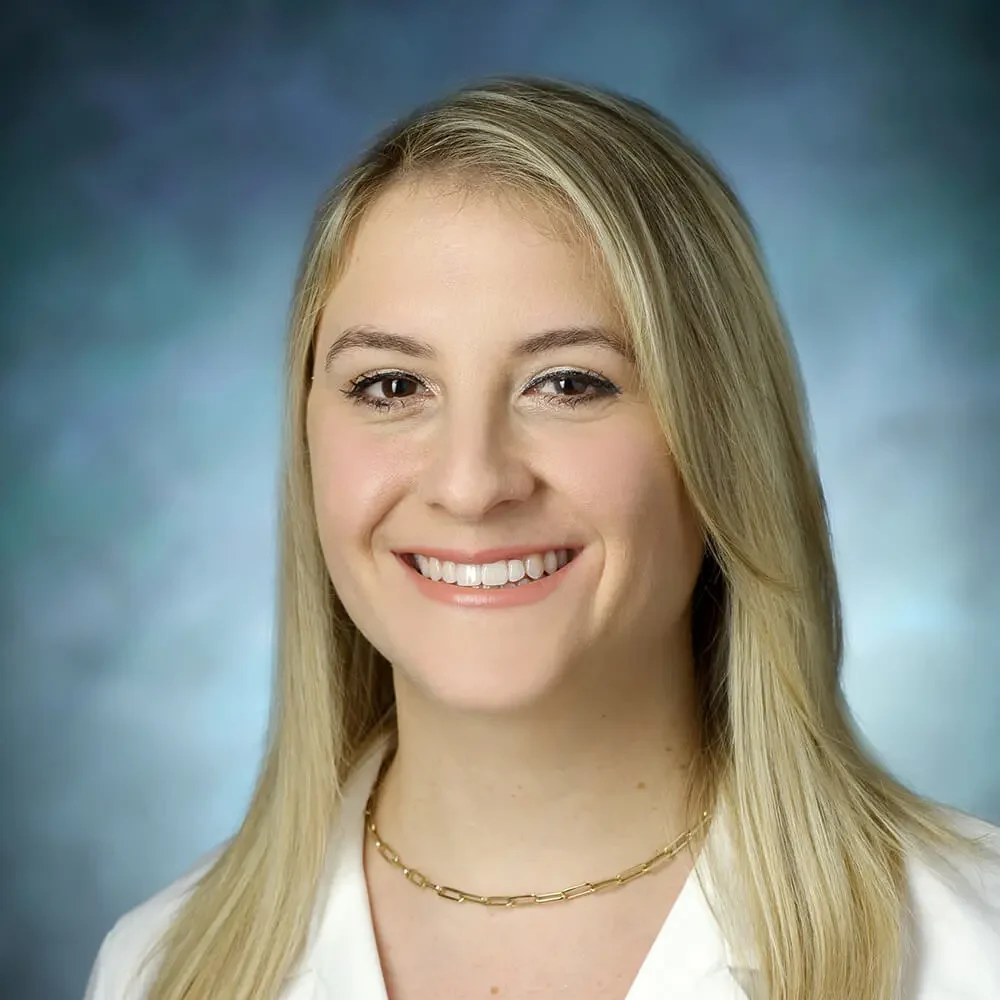
At the vanguard of this shift is Dr. Julie Deutsch, a physician-scientist and pathologist at Johns Hopkins University. Her work is not just about identifying the molecular hallmarks of cancer, but about unlocking the vast, untapped repository of information already sitting in pathology labs across the globe: the tissue sample.
The Untapped Archive: Reimagining Pathology
To the untrained eye, a pathology slide is a static, stained slice of tissue. To Dr. Deutsch, it is a high-definition data set. Every time a biopsy is performed, that tissue represents a unique snapshot of a patient’s disease at a specific moment in time. Historically, these samples have been used primarily for diagnosis—identifying what the cancer is. Dr. Deutsch, however, is asking what these samples can tell us about how the cancer will behave and, more importantly, how it will respond to treatment.
“I’ve seen the power of having the pathology specimen and what information we can glean from it make a real difference for patients,” Dr. Deutsch explains. “It’s not just about prognosticating; it’s about giving clinicians the evidence they need to make real-time, informed decisions.”
By applying advanced computational techniques to these standard samples, Dr. Deutsch is creating a bridge between the laboratory and the bedside, ensuring that the wealth of information hidden in tissue does not go to waste.
The CRI STAR Initiative: A Catalyst for Innovation
Dr. Deutsch’s research recently received a significant boost through the Cancer Research Institute (CRI) STAR award. The STAR program is designed with a specific philosophy: invest in the scientist, not just the project. Unlike traditional grant mechanisms that require researchers to map out every step of a project years in advance, the STAR program provides the flexibility to pivot as scientific discovery evolves.
This flexibility has been a game-changer for Dr. Deutsch. When she first began her career as a pathologist, she did not anticipate that machine learning would become the cornerstone of her methodology. Yet, as she delved deeper into the complexities of tissue analysis, it became clear that human eyes alone could not extract the subtle, multidimensional patterns required for true precision medicine. The STAR award gave her the runway to collaborate with computational biologists, integrate machine learning into her workflow, and follow the science wherever it led.
Chronology of a Shift in Methodology
The evolution of Dr. Deutsch’s work reflects the broader technological trajectory of modern oncology:
- Foundation (Early Training): Dr. Deutsch develops a deep clinical understanding of pathology, recognizing the limitations of traditional, qualitative visual analysis in predicting patient outcomes.
- The Identification Gap: Recognizing that many patients fail to respond to standard immunotherapies or chemotherapies, she begins to hypothesize that the answer lies in the micro-environment of the tumor—visible in tissue, but under-utilized.
- The Computational Turn: Through cross-disciplinary collaboration at Johns Hopkins, Dr. Deutsch begins to experiment with digital pathology and machine learning, teaching algorithms to recognize patterns in protein expression and cellular architecture that correlate with drug sensitivity.
- The Implementation Phase: Currently, with the support of the CRI STAR award, she is refining these tools to be scalable. The goal is to ensure that these diagnostic breakthroughs are not limited to elite academic centers but can be deployed in community hospitals, democratizing access to precision care.
Bridging the Lab-to-Clinic Divide
A defining, and often under-discussed, aspect of Dr. Deutsch’s research is her focus on implementation. In the world of oncology research, there is a well-known “valley of death” where promising biomarkers die because they are too expensive, too slow, or too complex to be used in a real-world clinical setting.
Dr. Deutsch is acutely aware of this hurdle. “You can have the best biomarker in the world,” she notes, “but if it doesn’t get to patients and doesn’t help them in real time, then it’s useless.”
Her objective is to develop biomarkers that utilize the same tissue samples already being collected during standard diagnostic procedures. By creating computational workflows that can be integrated into existing pathology lab infrastructure, she aims to eliminate the need for costly, invasive, or exotic new tests. If a pathologist can run a digital analysis on a slide that is already sitting on their desk, the barrier to adoption drops significantly.
The Human Cost: Toxicity and Precision
The urgency of Dr. Deutsch’s work is driven by the reality of clinical toxicity. Cancer therapies—particularly modern immunotherapies—can be incredibly effective, but they can also be life-altering if they cause severe adverse events in a patient who was never going to respond to the treatment in the first place.
“You don’t want to expose patients to a therapy that they’re not going to benefit from, and they’re just going to have toxicity,” Dr. Deutsch says. “Really trying to match the right patient with the right therapy is so critically important.”
This is the heart of her “precision oncology” mission. By identifying the molecular signatures of resistance, Dr. Deutsch is helping oncologists bypass ineffective, toxic treatments and move straight to the therapies that offer the highest probability of success. It is a philosophy that replaces "trial and error" with "data-driven selection."
Implications for the Future of Cancer Care
The implications of Dr. Deutsch’s research extend far beyond her specific studies. If she succeeds in making tissue-based biomarkers a standard, actionable part of pathology, the entire ecosystem of cancer care will change.
- Reduced Healthcare Costs: By avoiding ineffective treatments, health systems can save billions currently spent on drugs that provide no clinical benefit and the subsequent costs of managing their toxic side effects.
- Accelerated Clinical Trials: If researchers can use these biomarkers to better select patients for clinical trials, they can achieve clearer, faster results, bringing new drugs to market more efficiently.
- Patient Empowerment: Patients will be able to engage in a more informed dialogue with their oncologists, understanding the “why” behind a treatment plan rather than relying on a “hope for the best” approach.
Official Perspective: The Role of Foundations
The support provided by the Cancer Research Institute (CRI) underscores a growing trend in medical research: the necessity of private-public partnerships to bridge the gap in early-career funding. The "valley of death" is particularly treacherous for early-career investigators who are often viewed as "too risky" by traditional federal grant committees.
By identifying high-potential, high-risk, high-reward researchers like Dr. Deutsch, organizations like CRI act as venture capitalists for the human spirit. They provide the capital that allows for the "trial and error" inherent in true discovery. As Dr. Deutsch puts it, “As an early-stage researcher, my career goals and ability to conduct research would not be possible without foundations like this. It’s foundations like CRI that make that possible.”
Conclusion: Ending the "Blind" Era
Dr. Deutsch’s work serves as a powerful reminder that sometimes the most transformative innovations are not found in new, expensive technologies, but in looking at existing data with new eyes. Her commitment to bringing the lab to the patient is a testament to the fact that scientific rigor must be matched by clinical pragmatism.
“Without that information, you’re sort of just flying blind,” she reflects. “And that’s not good enough for patients.”
As Dr. Deutsch continues her work at Johns Hopkins, the medical community will be watching closely. If her models for integrating machine learning into pathology reach the scale she envisions, the days of “flying blind” in oncology may finally be coming to an end. We are moving toward a future where every patient’s treatment plan is as unique as their own biology, and where the pathologist is not just a behind-the-scenes observer, but a central architect of the patient’s journey to recovery. In this new paradigm, the humble microscope slide remains, but the vision of what it can achieve has never been clearer.