

Introduction: Beyond the Patient
In the sterile, high-stakes environment of an oncology ward, the focus is almost exclusively on the patient. We track white blood cell counts, monitor tumor markers, and evaluate scan results. However, there is an invisible, yet essential, infrastructure that often dictates the trajectory of recovery: the "village."
No one faces cancer alone. Behind every clinical milestone—every remission and every breakthrough—is a network of family, friends, medical professionals, and, occasionally, strangers. This World Cancer Support Month, we examine the symbiotic relationship between advanced medical research and the human support systems that make survivorship possible.
The Anatomy of a Village: Key Supporting Roles
The support system for a cancer patient is rarely a static entity; it is an evolving ecosystem. It ranges from the logistical—organizing meal trains, navigating insurance paperwork, or providing transportation—to the psychological, such as holding a listening ear during the darkest hours of uncertainty.
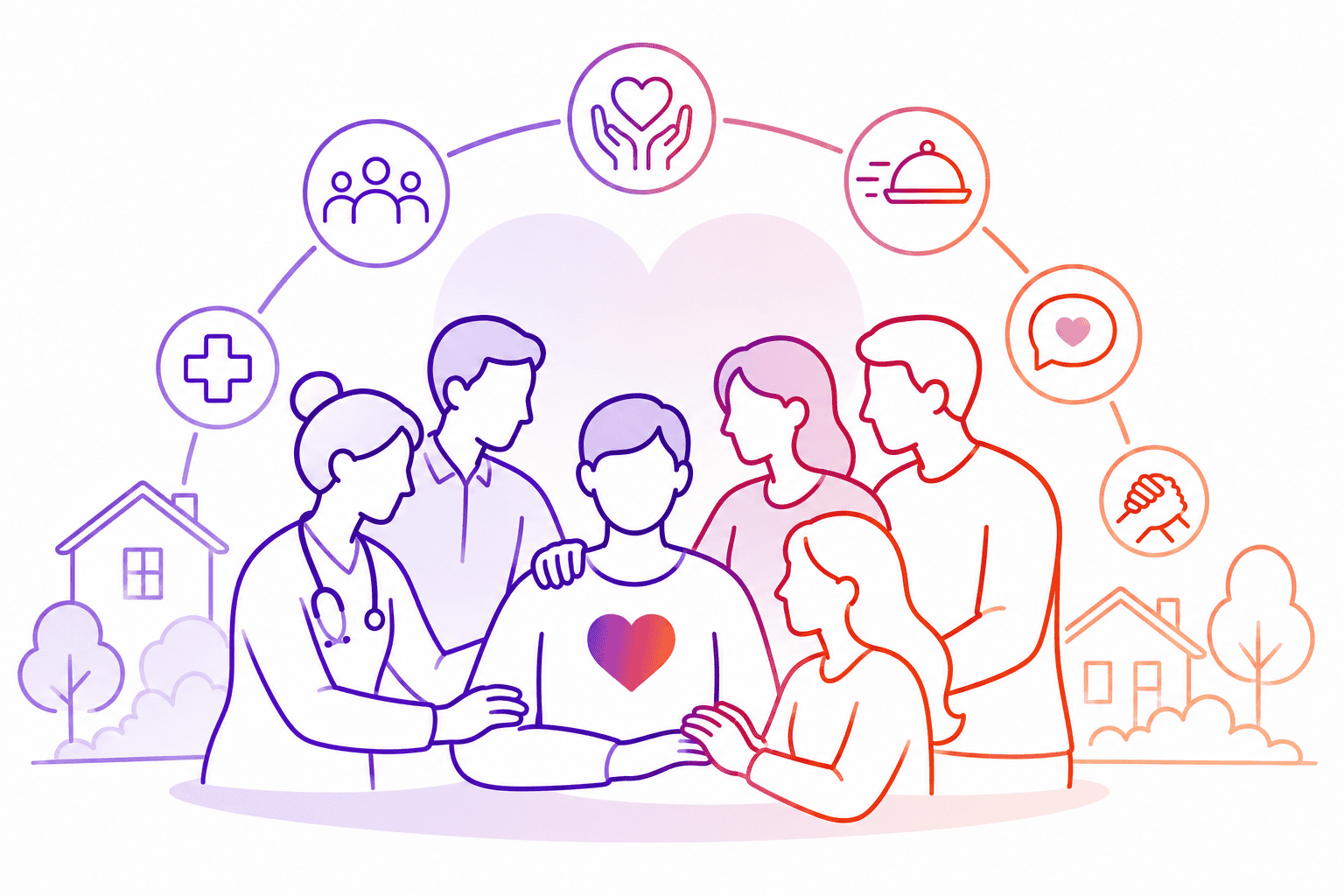
The stories of five stage 4 cancer survivors illuminate a critical truth: while medical science provides the tools for survival, the "village" provides the strength to endure the process.
Chronology of Courage: Five Journeys of Resilience
Dana Deighton: Navigating the System
When Dana Deighton was diagnosed with stage 4 esophageal cancer, she was faced with the crushing news that her options were limited. Yet, she refused to accept a terminal prognosis. Her journey became a testament to the importance of the medical advocate.
A nurse coordinator, tasked with helping Dana navigate the labyrinthine requirements of insurance, became an anchor. "She stayed with me for the rest of my treatment," Dana recalls. "To this day, I still send her a Christmas card because she really moved mountains and made things happen." With a specialist’s guidance, Dana underwent a 15-hour surgery followed by immunotherapy. Today, she is not only disease-free but acts as a mentor, completing the cycle of care by becoming a member of the village for others.
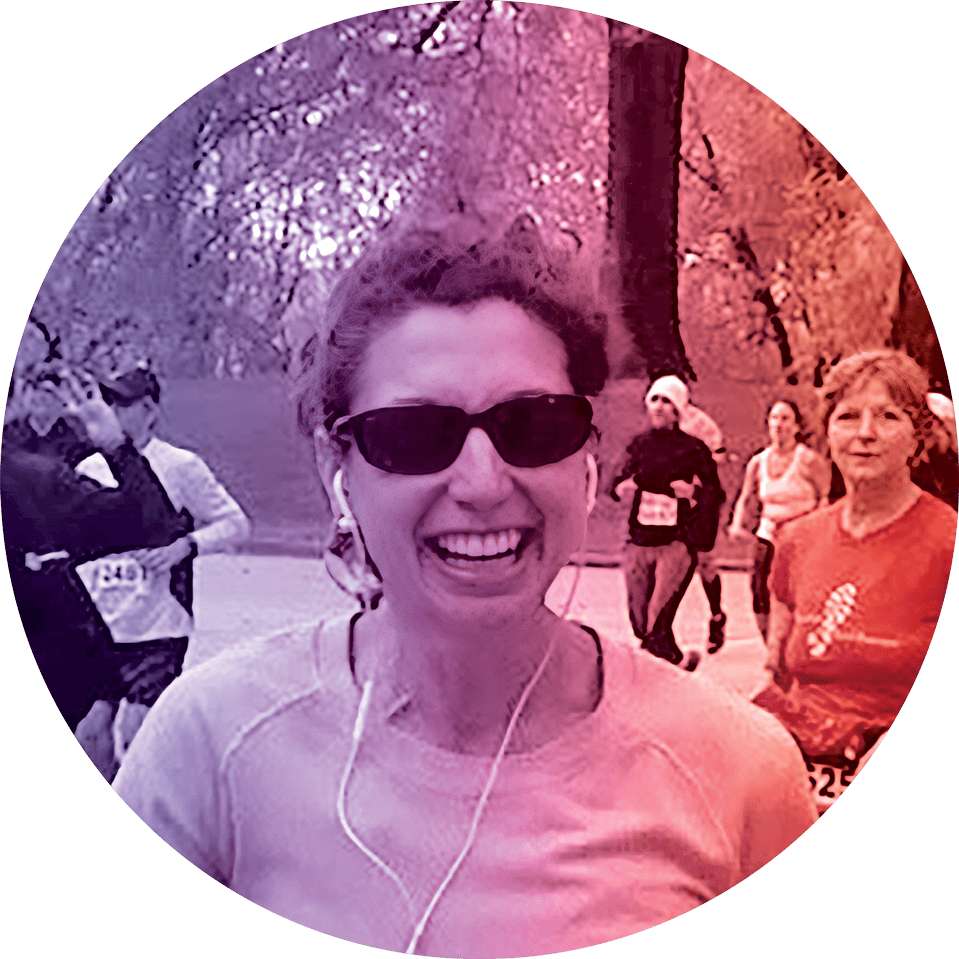
Oswald Peterson: Finding Family in Friendship
For Oswald Peterson, a stage 4 lung cancer diagnosis arrived during a period of profound personal loss—the deaths of his mother and partner. Despite his initial isolation, his community mobilized. Friends rotated shifts to ensure he was never alone during hospital stays and later managed his home and nutrition during recovery. Through the care of his oncologist, Dr. Catherine Shu, and the introduction of immunotherapy, Oswald returned to the vibrant life he loved, including the streets of Trinidad’s Carnival. His story underscores that support is not just about medical care; it is about reclaiming one’s humanity.
Jeff Atkinson: The Breakthrough of Immunotherapy
In 2016, Jeff Atkinson faced a rare, aggressive diagnosis: stage 4 mucosal melanoma. His oncologist, Dr. Justin Favero, pivoted the conversation from "no cure" to "promising innovation." By utilizing checkpoint inhibitors (nivolumab and ipilimumab), Jeff’s medical team managed severe side effects to keep him on the path to recovery. Ten years post-diagnosis, Jeff remains cancer-free, using his platform to educate others on the life-saving potential of immunotherapy.
Jenney Bitner: A Community Rallies
Jenney Bitner’s diagnosis was particularly complex, occurring at 22 weeks pregnant. After two brain surgeries and the premature birth of her son, she faced the fight of her life against metastatic melanoma. Her support system was vast: from her husband, who navigated complex clinical data during her recovery, to neighbors and church members who provided meals and childcare for over a year. Jenney’s recovery serves as a poignant reminder: "If someone needs help, just do something. Don’t even ask what they need… just find something and do it."
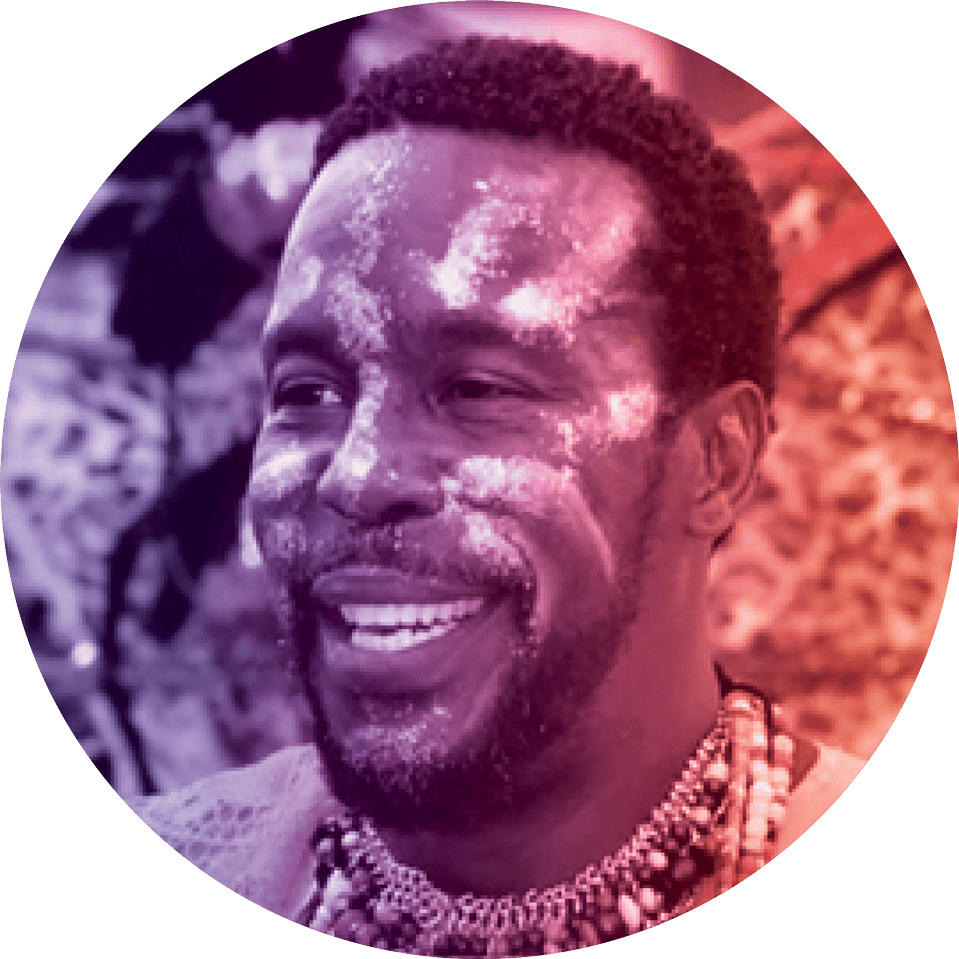
Gordon Levine: The Persistence of Hope
Gordon Levine’s path was marked by the setbacks of stage 3 and 4 colorectal cancer. After an initial clinical trial failed, Dr. Aaron Miller at UC San Diego provided a critical second opinion. Recognizing that Gordon’s reaction to the first trial was actually a sign of an immune response, Dr. Miller successfully prescribed a different immunotherapy regimen. Now five years cancer-free, Gordon is an active advocate, proving that patient input and collaboration with physicians are vital components of the healing process.
Supporting Data: The Impact of Social Support on Clinical Outcomes
Medical literature increasingly supports what these survivors have lived: social support is a clinical variable. Studies consistently show that patients with strong social networks experience:
- Higher Treatment Adherence: Patients with dedicated caregivers are more likely to complete complex medication regimens, such as immunotherapy or chemotherapy.
- Reduced Psychological Morbidity: The presence of a support network significantly lowers the incidence of clinical depression and anxiety in cancer patients.
- Improved Quality of Life (QoL): Logistical support (meals, transport) reduces the "burnout" that can lead to patients delaying critical care appointments.
The integration of these "villages" into the clinical setting is no longer a luxury; it is a fundamental pillar of modern oncology.
Official Perspectives: The Medical Community’s Role
Healthcare providers are moving beyond the role of "clinician" to become "partners." Dr. Catherine Shu and Dr. Aaron Miller, among others, exemplify the modern approach to oncology: treating the patient, not just the tumor.
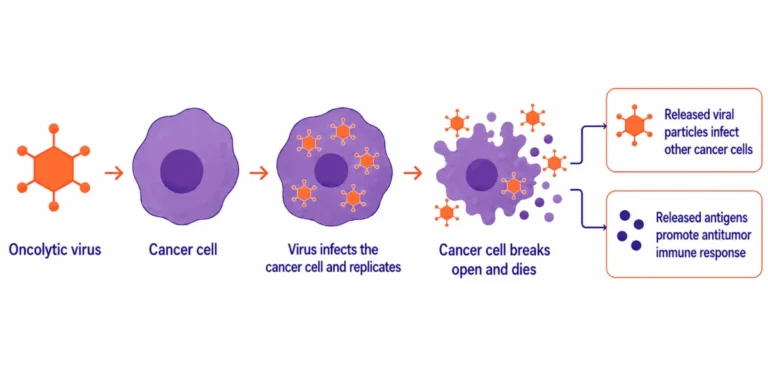
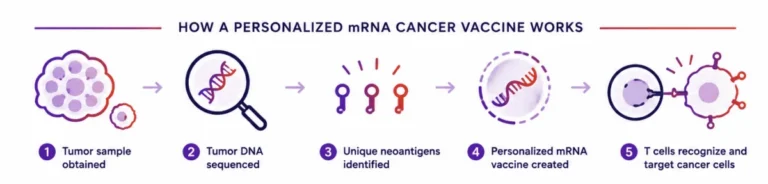
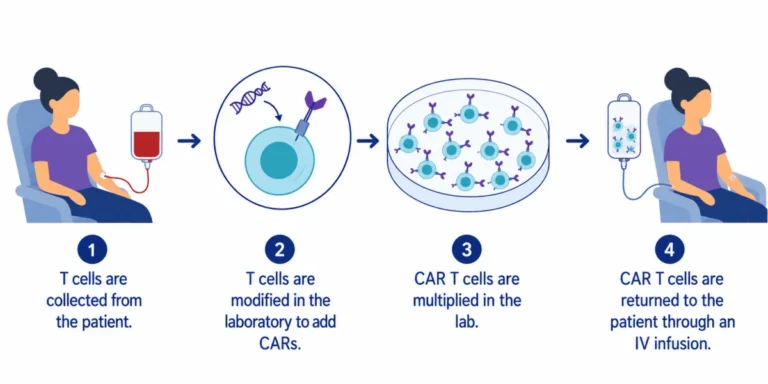
The shift toward immunotherapy has allowed physicians to offer hope where there was previously none. By harnessing the body’s own immune system to fight cancer, researchers have opened doors to long-term remission for stage 4 patients who were once deemed beyond medical intervention. However, the official stance of leading research organizations remains clear: technology is the engine, but the community is the fuel.
Implications: The Future of Holistic Oncology
What do these stories mean for the future of cancer care? We are witnessing a paradigm shift that demands three major changes in how we approach the disease:
- Caregiver Recognition: Caregivers, who often face physical and emotional exhaustion, must be integrated into the medical team. Their well-being directly impacts the patient’s prognosis.
- Peer-to-Peer Advocacy: As seen in the stories of Dana Deighton and Gordon Levine, survivors are the most effective bridge between new research and patients. Establishing formal peer-mentorship programs is essential for health systems.
- Community Empowerment: The public must be encouraged to take proactive roles. As Jenney Bitner noted, one does not need to wait for instructions to provide help. Simple, consistent, and proactive gestures of support are vital.
Conclusion: A Call to Action
Cancer is a deeply personal, often isolating experience. Yet, the evidence is overwhelming: the strongest indicator of a patient’s resilience is often the depth of their community.
This World Cancer Support Month, we celebrate not only the researchers who discover new therapies and the doctors who administer them, but the friends who bring meals, the neighbors who drive to appointments, and the family members who listen. When we support a patient, we do more than make their life easier—we participate in their survival.
Every act of support, no matter how small, adds a thread to the tapestry of a survivor’s journey. By showing up, we ensure that no one truly walks the path of cancer alone. The village is not just a support system; it is a catalyst for life.