










By Gwendolyn Wu | Published September 24, 2026
In a landmark moment for the biotechnology sector, ADARx Pharmaceuticals has successfully navigated the turbulent waters of the public markets, securing $446.3 million in its initial public offering (IPO) on Thursday. The San Diego-based biotech, which specializes in RNA interference (RNAi) therapeutics, has achieved a feat that few in its field have managed in over a decade: successfully pricing a traditional U.S. IPO.
The offering, which saw the company sell 26.25 million shares at $17 each—the top end of its projected $15 to $17 range—signals a potential thaw in the capital markets for high-science drug developers. The excitement surrounding the debut was bolstered further by a strategic private placement with pharmaceutical giant AbbVie, which injected an additional $89 million into the company. ADARx began trading on the Nasdaq Global Select Market on Friday under the ticker symbol "ADRX."
Main Facts: The ADARx Breakthrough
The ADARx offering is a rare bright spot in a year characterized by cautious investor sentiment. Since the beginning of 2026, the biotechnology IPO window has been dominated by small-molecule drug developers and traditional biologics firms. ADARx stands alone as the only RNA-based drug developer to go public in the current calendar year.
The company’s platform is built on the promise of RNAi, a sophisticated biological process that "silences" genes responsible for disease by preventing the production of specific, harmful proteins. While giants like Alnylam Pharmaceuticals and Arrowhead Pharmaceuticals have proven the clinical viability of this modality, the industry has historically struggled with the technical hurdles of delivery and potency.

ADARx enters the public market with a distinct value proposition: a pipeline that targets both liver-based conditions and, crucially, tissues beyond the liver, which has long been the "holy grail" of the RNAi space.
Chronology: From Private Startup to Public Entity
The path to the Nasdaq was paved with significant venture backing and high-stakes strategic partnerships.
- Early Foundations: Prior to its IPO, ADARx spent years building its intellectual property portfolio and refining its proprietary RNAi platform. The company successfully raised over $350 million from a blue-chip consortium of venture capital firms, including OrbiMed, Bain Capital, TCGX, and Venrock.
- 2025: The AbbVie Partnership: In a major validation of its science, ADARx entered a massive collaboration with AbbVie. The deal included $335 million in upfront payments to co-develop therapies for neurological, immune, and oncological disorders. This partnership provided the financial runway and scientific credibility necessary to propel the company toward public markets.
- September 2026: The IPO Pricing: After filing its S-1 registration statement with the SEC, the company spent weeks courting institutional investors. On Thursday, September 24, 2026, the company finalized the pricing at $17 per share, signaling robust demand despite broader macroeconomic headwinds.
- September 25, 2026: ADARx officially commenced trading on the Nasdaq, marking the first time in over ten years that an RNAi-focused biotech has achieved this milestone through a traditional public offering.
Supporting Data: Clinical Potential and Pipeline Depth
ADARx’s market valuation is pinned on its lead candidate, onvuzosiran. Currently in late-stage development for the treatment of hereditary angioedema (HAE), a rare condition characterized by recurrent, severe swelling episodes, onvuzosiran represents a potential best-in-class therapy.
The Power of Onvuzosiran
The clinical data released by ADARx to date is compelling. In early-stage studies, the drug demonstrated the ability to suppress plasma kallikrein levels—the protein directly linked to HAE attacks—by as much as 93%. If this potency holds in Phase 3 trials, ADARx argues that the drug could be administered as infrequently as twice per year, significantly reducing the treatment burden for patients compared to existing alternatives, such as Ionis Pharmaceuticals’ dawnzera.
A "Pipeline-in-a-Product"
Beyond its lead candidate, ADARx is advancing agazisiran, a versatile therapeutic candidate currently in mid-stage trials. The company has dubbed agazisiran a "pipeline-in-a-product" due to its potential applicability across a wide spectrum of indications, including:

- Chronic kidney disease
- Geographic atrophy (a leading cause of vision loss)
- Paroxysmal nocturnal hemoglobinuria (PNH)
The company’s long-term strategy involves moving beyond the liver—a goal that has historically limited the scope of RNAi therapeutics. By engineering "optimized" delivery vehicles, ADARx is targeting neurological disorders and obesity, areas that represent massive commercial opportunities if the science holds up under the scrutiny of late-stage trials.
Official Responses and Strategic Outlook
In its regulatory filings, ADARx management took a transparent approach regarding the challenges of their field. The company acknowledged that the RNAi sector has been "constrained" by historical limitations in delivery and potency, which have previously prevented the technology from reaching its "broader potential."
By positioning itself as a company that has solved these engineering hurdles, ADARx is betting that investors are ready to look past the historical volatility of the sector and focus on the long-term clinical utility of their platform.
"The success of this offering is a testament to the transformative potential of RNAi," said an industry analyst familiar with the deal. "By securing both public market capital and the backing of a pharmaceutical powerhouse like AbbVie, ADARx has created a dual-layer of security that few biotechs at this stage can boast."
Implications: A New Chapter for Biotech IPOs
The successful pricing of the ADARx IPO provides a vital litmus test for the biotechnology industry in late 2026. While the sector has seen an uptick in IPO activity—the fastest pace since 2021—the market remains fickle.

According to a quarterly review from Renaissance Capital, the broader IPO market is currently facing pressure from several directions:
- Macroeconomic Shifts: Rising bond yields and the resumption of interest rate hikes have created a "wait-and-see" environment for institutional investors.
- AI Spending: The explosive growth of AI-focused tech companies has siphoned off a significant portion of capital that might otherwise have flowed into life sciences.
- Sector Saturation: With 22 drug companies pricing IPOs so far in 2026, investors are becoming increasingly selective, favoring companies with de-risked clinical assets over early-stage platform plays.
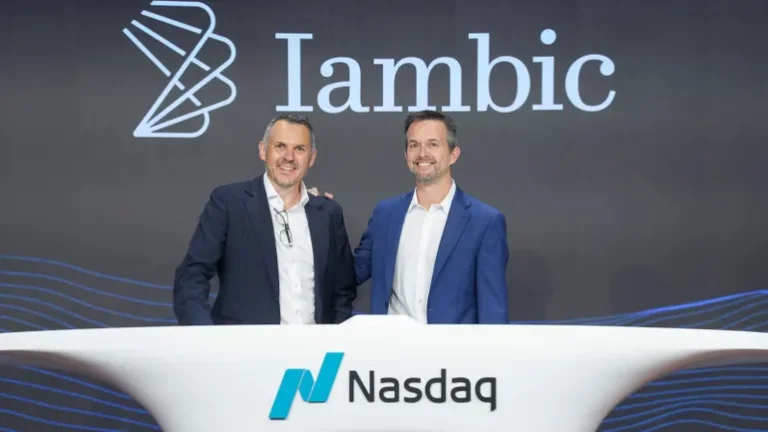
Despite these hurdles, the momentum is building. The pipeline of companies preparing to go public remains robust, with firms such as City Therapeutics (another RNA developer), Iambic Therapeutics (AI-driven drug discovery), and TRex Bio (immune-focused) all having filed their intentions to go public within the last week alone.
What’s Next?
For ADARx, the clock is now ticking toward 2027, when they expect to share initial Phase 3 data for onvuzosiran. The success of that trial will not only determine the future of the company but will also serve as a barometer for the entire RNAi industry.
If ADARx can deliver on its promise of sustained, low-frequency dosing for chronic conditions, it will likely trigger a resurgence of interest in RNAi-based platforms. For now, the company enjoys the rare distinction of being the "first" in a long time—a position that carries both significant prestige and the heavy burden of expectation in the eyes of public shareholders.
As the markets look ahead to the final quarter of 2026, the ADARx IPO stands as a symbol of resilience. It proves that even in an environment defined by high interest rates and cautious capital, high-quality science with a clear path to market remains the most valuable currency in the biotech world.