










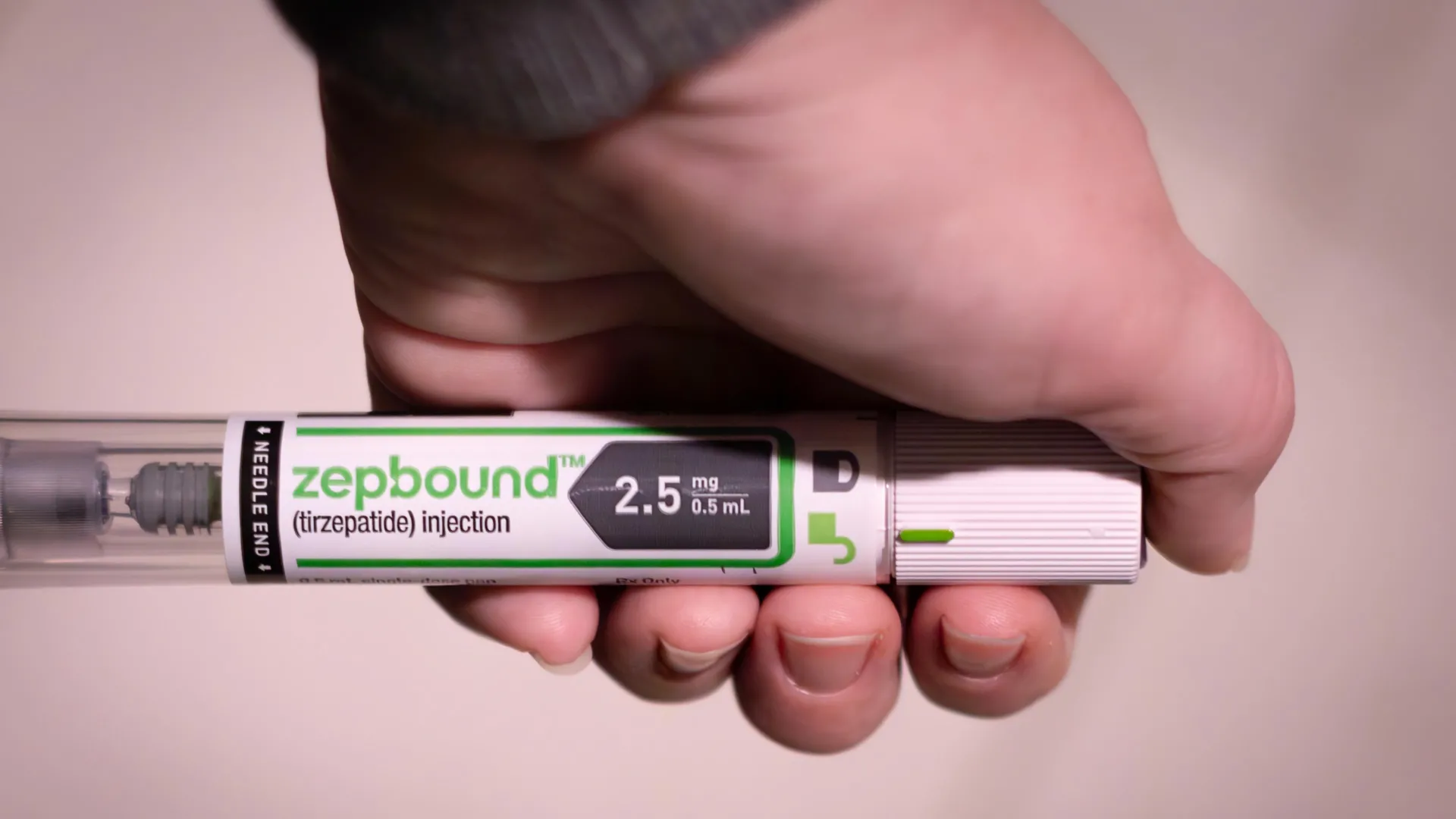
For millions of people struggling with obesity and type 2 diabetes, the emergence of a new class of "incretin-based" therapies has felt like a medical watershed moment. At the forefront of this clinical revolution is tirzepatide—the active ingredient in the medication branded as Mounjaro—a drug that has demonstrated unprecedented efficacy in weight management and glycemic control.
While its ability to curb appetite and induce satiety is well-documented, the scientific community has remained puzzled by a lingering question: Is the weight loss achieved solely by the patient eating less, or is there a more complex, systemic biological mechanism at play? New research from the University of Barcelona suggests that the answer may lie in the body’s "metabolic furnace"—brown adipose tissue.
The Mechanism: Dual Receptor Agonism
To understand the significance of this discovery, one must first look at how tirzepatide operates. Unlike older weight-loss medications that typically targeted a single hormonal pathway, tirzepatide is a dual agonist. It mimics the effects of two critical hormones: glucagon-like peptide-1 (GLP-1) and glucose-dependent insulinotropic polypeptide (GIP).
By binding to the receptors of both hormones, tirzepatide orchestrates a powerful physiological response. It slows gastric emptying and sends potent signals to the brain to reduce hunger, leading to a significant caloric deficit. However, the study led by Marion Peyrou, a Ramón y Cajal researcher at the University of Barcelona’s Faculty of Biology and the Institute of Biomedicine (IBUB), sought to peel back the layers of this mechanism to see if the drug exerts a "metabolic lift" independent of food intake.
Chronology of the Discovery
The path to this finding involved a meticulous experimental design intended to isolate the drug’s direct effects on adipose tissue.
Phase 1: Controlled Observation in Obese Models
Researchers utilized a cohort of mice rendered obese through a high-fat diet. To eliminate the "confounding variable" of weight loss simply caused by eating less, the team employed a "pair-feeding" strategy. They compared mice treated with tirzepatide against a control group that was not given the drug but was restricted to the exact same caloric intake as their drug-treated counterparts.
Phase 2: Tissue Analysis
By keeping the caloric intake identical, any differences in metabolic health between the two groups could be attributed to the pharmacological action of tirzepatide rather than the simple caloric reduction. The team conducted a deep dive into the fat deposits of these animals, a level of tissue analysis that is notoriously difficult to replicate in human clinical trials due to ethical and physiological constraints.
Phase 3: The Revelation of Brown Fat Activation
The findings, published recently, indicated that the mice treated with tirzepatide exhibited a clear activation of brown adipose tissue (BAT). Unlike white fat—the type that stores excess energy and expands during weight gain—brown fat is essentially a metabolic engine. It contains high densities of mitochondria, which burn glucose and lipids to generate heat, a process known as thermogenesis.
Supporting Data: The Power of Brown Adipose Tissue
The activation of brown fat represents a "holy grail" in metabolic research. For decades, scientists have attempted to target this tissue to treat obesity, but previous pharmacological attempts were largely abandoned due to dangerous cardiovascular side effects, such as increased heart rate or blood pressure.
The data from the University of Barcelona team, however, paints a different picture for tirzepatide. According to the researchers:
- Thermogenic Efficiency: Tirzepatide-treated mice showed an increased capacity to burn metabolic energy compared to pair-fed controls.
- Batokine Secretion: The activated brown fat began producing "batokines"—signaling molecules that are known to improve systemic metabolism.
- Glucose and Lipid Clearance: The activation of this tissue facilitated a more efficient clearance of glucose and fats from the bloodstream, explaining why the drug is so effective in treating type 2 diabetes even when weight loss is accounted for.
"This drug not only reduces body weight, but also has beneficial effects on metabolism," notes Peyrou. "Active brown adipose tissue ‘burns’ glucose and fat within the body, which contributes to its positive effect in lowering blood glucose and fat levels."
Official Responses and Expert Perspective
The implications of these findings have resonated throughout the scientific community, particularly among members of the Sant Joan de Déu Research Institute (IRSJD) and CIBEROBN (the Spanish Biomedical Research Centre in Physiopathology of Obesity and Nutrition).
Marion Peyrou emphasizes that the findings provide a potential roadmap for the next generation of obesity therapeutics. "If our findings are confirmed in humans," she explains, "it would reinforce the importance of developing therapeutic strategies that not only reduce food intake but also increase energy expenditure and brown fat activation."
The research team is careful to frame these findings as a foundational step rather than an immediate change to clinical practice. Because the study was conducted on murine models, the researchers urge caution. Human metabolism is significantly more complex, and the distribution of brown fat—which is highly active in infants but becomes sparse and less functional in adults—differs vastly between species.
Implications for Future Medicine
1. Moving Beyond Appetite
The most profound implication of this study is the shift in how we define obesity treatment. For years, the industry focused on "anorexigenic" drugs—medications that turn off the hunger signal. If tirzepatide truly activates brown fat, it moves the paradigm toward "metabolic restoration." This suggests that the future of obesity medicine lies in cocktails or dual-acting agents that address both the brain’s hunger signals and the body’s energy expenditure.
2. Cardiovascular Synergy
One of the most promising aspects of the study is the absence of negative cardiovascular side effects. While early attempts to stimulate brown fat caused heart strain, tirzepatide appears to offer a "cleaner" profile. By improving metabolic efficiency without triggering sympathetic nervous system overactivity, it may actually contribute to the long-term cardiovascular health of patients—a key goal for any drug treating diabetes and obesity.
3. Personalized Medicine
The findings open the door to "precision metabolic therapy." As Peyrou suggests, identifying specific patient profiles—such as individuals whose primary issue is "compromised energy expenditure" rather than just excessive food intake—could lead to more tailored prescriptions. A patient with a sluggish metabolism, for instance, might be a prime candidate for a therapy that specifically targets brown fat activation, whereas a patient driven by hyperphagia (excessive hunger) might focus on the appetite-suppressant qualities of the drug.
Limitations and the Road Ahead
Despite the excitement surrounding these findings, the scientific community remains grounded by the realities of clinical translation. The distribution and density of brown fat in adult humans are subjects of ongoing debate. While cold exposure and certain exercise regimens are known to activate whatever brown fat remains in the human body, inducing this activation pharmacologically at scale remains a significant challenge.
"As this is a study conducted on mice, we must be cautious," Peyrou concludes. "There may be significant differences between species in terms of metabolism regulation, adipose tissue distribution and response to drugs. Therefore, we need more clinical evidence on the action of these drugs on fat in humans."
Conclusion
The discovery that tirzepatide may directly ignite the body’s metabolic furnace adds a new, optimistic dimension to the treatment of chronic metabolic diseases. By bridging the gap between appetite control and cellular energy expenditure, this class of medication is proving to be far more sophisticated than initially thought. As researchers transition from animal models to human clinical observation, the dream of a comprehensive, multi-faceted approach to weight loss—one that burns the fat we have while managing the appetite that led to its accumulation—moves closer to reality.
For the millions currently navigating the complexities of metabolic disorders, this research offers a compelling reason to believe that the next wave of treatments will be more effective, more nuanced, and ultimately, more transformative for human health.