




As the global community moves further away from the acute phase of the COVID-19 pandemic, the "new normal" has become a complex tapestry of lingering habits, revived pre-pandemic routines, and an urgent recalibration of personal wellness. For many, the past year has been a period of transitional behavior, marked by a cautious return to public life tempered by the lessons learned during the isolation of 2020.
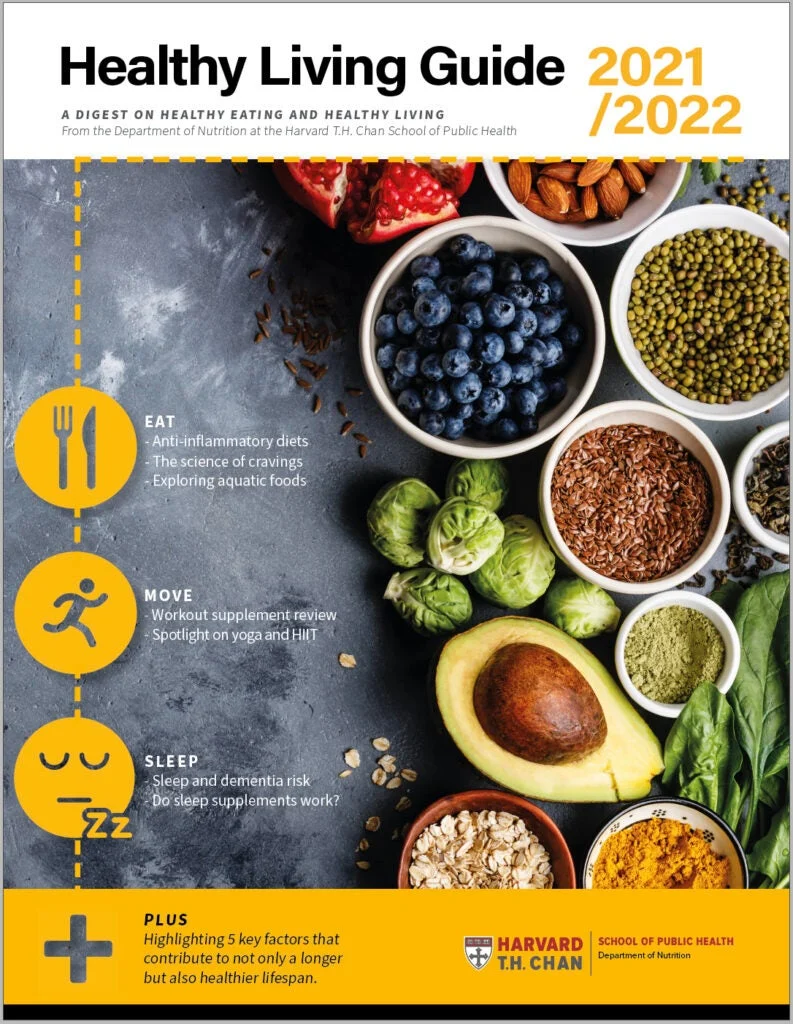
To help navigate this evolution, the Harvard T.H. Chan School of Public Health has released its latest Healthy Living Guide. This resource serves as a vital touchstone for those looking to synthesize current nutritional science with the realities of a shifting global environment. By revisiting core pillars—balanced nutrition, physical activity, and restorative sleep—the guide provides a roadmap for individuals striving to maintain health in an era of persistent uncertainty.
The Shifting Landscape of Consumer Behavior
The trajectory of human behavior over the last two years reveals a fascinating oscillation in lifestyle choices. Data derived from the 2021 Food and Health Survey provides a quantitative look at how the American public recalibrated its relationship with food as the immediate pressures of the 2020 lockdowns began to wane.
Chronology of Changing Habits: 2020 to 2021
The pandemic forced an abrupt shift in how society approached sustenance. In 2020, the disruption of supply chains and the sudden inability to dine out led to a surge in home cooking and, concurrently, a rise in stress-induced snacking.
- 2020: The Lockdown Baseline: During the height of the initial pandemic response, 60% of consumers reported an increase in home cooking. Conversely, 32% admitted to increased snacking, and 20% reported eating more in general as the boundaries between work, home, and leisure blurred.
- 2021: The Transitional Phase: As society began to reopen, these trends saw a distinct regression. The 2021 survey indicated that the percentage of Americans who were "snacking more" dropped significantly to 18%, and those reporting that they were "eating more in general" fell to 11%.
- The Cooking Conundrum: Perhaps most notable was the decline in home cooking, which dropped from 60% in 2020 to 47% in 2021. While this indicates a return to convenience, public health experts caution that the loss of the "home kitchen habit" may have long-term implications for nutritional quality if consumers shift back toward processed, pre-packaged, or restaurant-heavy diets.
Supporting Data and the Inequality Gap
While broad averages suggest a move toward "normalcy," a deeper analysis of the data reveals a more concerning reality: the widening chasm of food security. The pandemic acted as a stress test for the global food system, exposing and exacerbating existing socio-economic disparities.
For many households, the "new normal" is not characterized by the choice between home cooking or dining out, but by the struggle to access affordable, nutrient-dense food. Food insecurity rates remain a significant public health concern. The disruption of school lunch programs, the loss of income, and inflation have created a landscape where healthy eating is often a luxury rather than a default.
Experts emphasize that healthy living initiatives cannot exist in a vacuum. Any discourse on "healthy eating" must acknowledge that nutritional literacy is moot without nutritional access. The Healthy Living Guide seeks to bridge this gap by offering low-cost, high-impact strategies that can be implemented across diverse economic backgrounds.
Global Implications: Vaccination and Systemic Health
The impact of the pandemic extends far beyond the dietary habits of individual consumers. The emergence of new variants serves as a sobering reminder that personal health is inextricably linked to global health policy.
The Call for Global Vaccine Equity
The scientific community remains unified in the belief that the pandemic cannot be considered "over" until it is managed globally. The ongoing disparities in vaccine access—specifically in low- and lower-middle-income countries—pose a threat to global health security. As the virus continues to circulate in under-vaccinated regions, the risk of further mutations remains high.
From a public health perspective, the "Healthy Living" philosophy now includes an advocacy component: supporting global vaccination efforts is not just a humanitarian imperative; it is a pragmatic requirement for returning to a truly stable, pre-pandemic lifestyle.
Re-centering the Core Pillars of Wellness
The Harvard Healthy Living Guide serves as an antidote to the "wellness fatigue" that has characterized the last year. By stripping away the trend-based misinformation often found on social media, the guide focuses on the "Big Three":
1. Eating Well: Beyond the Fad Diets
Nutrition is often over-complicated by marketing. The guide advocates for a return to fundamental principles:
- Whole Foods Focus: Prioritizing fruits, vegetables, whole grains, and healthy proteins.
- Mindful Consumption: Moving away from the "snacking culture" that defined the peak of the pandemic and toward intentional, structured eating patterns.
- Sustainability: Understanding that the healthiest diets are those that are both nutritionally complete and environmentally sustainable.
2. Physical Activity: The Necessity of Movement
The pandemic-induced sedentary lifestyle remains a significant hurdle. Whether working from home or transitioning back to an office, the necessity of movement—not just for weight management, but for mental health—cannot be overstated. The guide suggests that consistency, rather than intensity, is the key to long-term adherence.
3. Restorative Sleep: The Foundation of Immunity
Sleep is frequently the first pillar to be sacrificed during times of stress. However, as the research highlights in the guide suggest, sleep is the bedrock upon which immune function and metabolic health are built. Without adequate sleep, the body’s ability to manage stress hormones and regulate hunger is significantly compromised.
Official Responses and Expert Outlook
Public health officials maintain a cautious optimism regarding 2022 and beyond. The consensus is that while the pandemic has permanently altered the way we work, learn, and socialize, it has also provided a unique opportunity to prioritize personal health in a way that was not previously possible.
"The goal is to move from a reactive state—where we are constantly adjusting to the latest crisis—to a proactive state of health management," notes a lead researcher associated with the guide. By using the provided printable tip sheets and data-driven summaries, individuals can take agency over their own health trajectories, regardless of the broader global circumstances.
Implications: The Path Forward
As we look toward the future, the lessons of the last two years are clear: individual health is a community project. The choices we make regarding our nutrition and physical activity not only dictate our personal resilience but also contribute to the overall stability of the healthcare system.
The Healthy Living Guide is designed to be more than a one-time read; it is a repository of actionable knowledge. By integrating these practices into daily routines, the goal is to build a "resilience portfolio." Whether it is through the simple act of preparing a home-cooked meal, committing to a daily walk, or ensuring consistent sleep hygiene, these small, consistent behaviors are the most effective tools we have to combat the uncertainties of the modern age.
For those ready to test their knowledge, the guide also includes a series of interactive challenges based on previous years’ findings. This gamified approach to health literacy encourages readers to reflect on how much they have learned—and how much they have yet to implement.
How to Access the Resources
To assist the public in this ongoing journey, the full Healthy Living Guide is available as a downloadable PDF. This version includes:
- Printable Tip Sheets: Designed to be posted in the home or kitchen for easy reference.
- Research Summaries: Breaking down complex nutritional studies into easy-to-understand takeaways.
- Links to Digital Archives: Providing access to years of peer-reviewed articles and expert analysis.
In conclusion, while the global landscape remains fluid, the commitment to health remains a constant. By leveraging the data and strategies provided in the Healthy Living Guide, individuals can navigate the remainder of the pandemic and beyond with confidence, clarity, and, most importantly, improved health outcomes.