










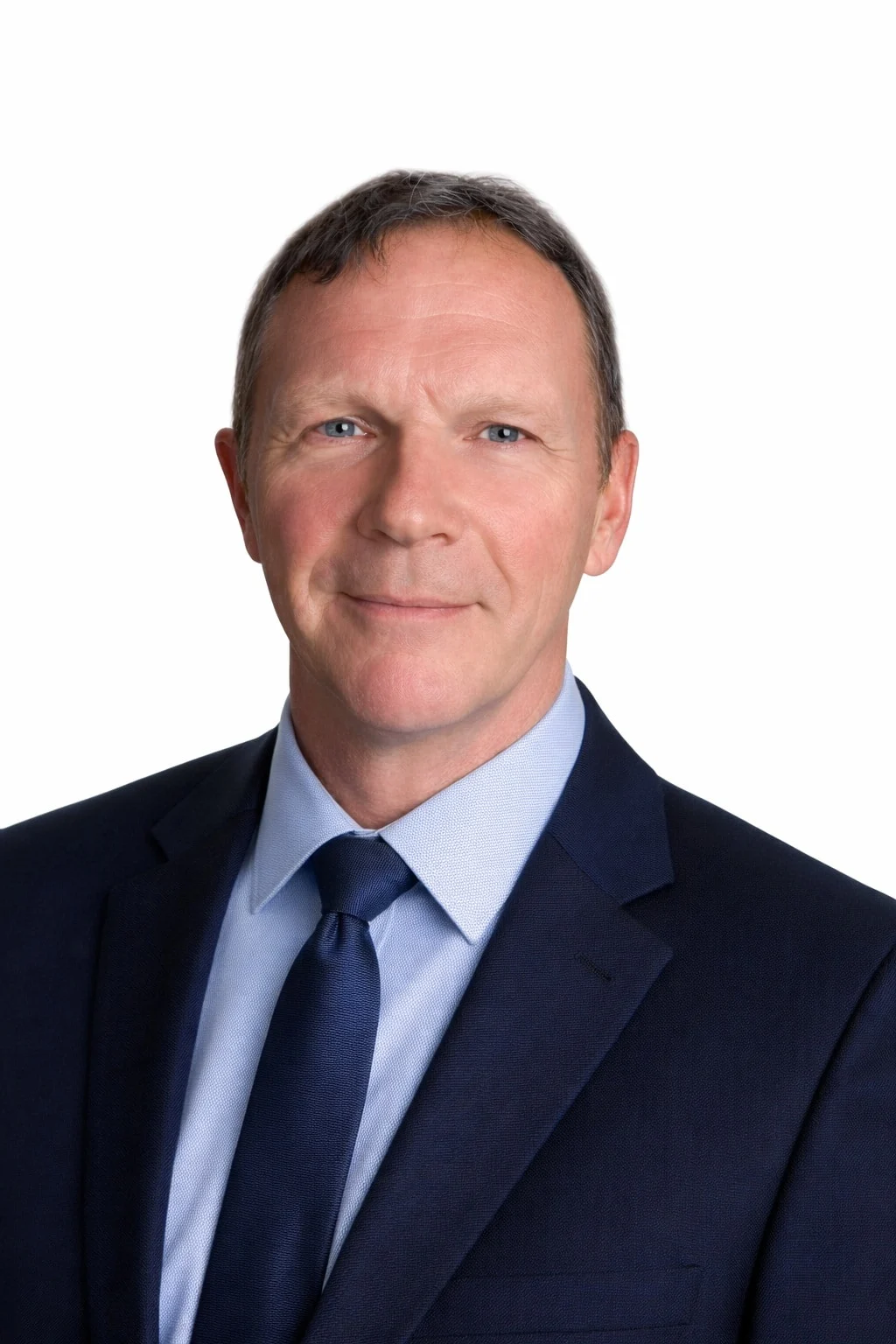
At the heart of the Alliance for Aging Research lies a dedicated team of professionals committed to a singular, transformative vision: improving the universal human experience of aging and health. To understand the machinery behind the organization’s advocacy efforts, one must look toward its leadership in the nation’s capital. This month, the Alliance spotlights Scott Frey, Senior Vice President of Public Policy and Government Relations, a veteran strategist whose career has been defined by a deep-seated commitment to social equity and scientific integrity.
Main Facts: The Architect of Advocacy
Scott Frey serves as the Senior Vice President of Public Policy and Government Relations at the Alliance for Aging Research. In this pivotal role, Frey acts as the primary bridge between the organization’s scientific mission and the complex machinery of the federal government. His daily responsibilities involve constant engagement with key stakeholders, ranging from advocacy groups to high-level decision-makers within the U.S. Congress and the Federal Executive Branch.
His mandate is clear: to ensure that the policy goals of the Alliance—which center on advancing research, improving geriatric care, and fostering a society that values the longevity of its citizens—are not only heard but acted upon. Frey’s position requires a delicate balance of political acumen, scientific literacy, and an unwavering moral compass, traits that have become essential in an era where the public trust in science is frequently challenged.
Chronology: A Career Forged in Public Service
To understand Scott Frey’s approach to policy, one must trace his journey back to his formative years. Growing up in the central and western regions of Pennsylvania, Frey witnessed firsthand the shifting economic tides of the late 20th century. As manufacturing hubs across the Rust Belt began to shutter, he observed the collateral damage: the erosion of community stability, the decline of local quality of life, and, most importantly, the crumbling of retirement security for an entire generation.
In 1987, shortly after completing his graduate studies, Frey moved to Washington, D.C. It was a strategic decision intended to place him at the epicenter of federal policy-making. This move was not merely a career step; it was a response to the systemic challenges he had seen in his home state.
His early career in Congress proved to be a crucible for his future work. During this time, he played an integral role in a landmark legislative effort to address deep-seated inequities in women’s health research. His work helped orchestrate the historic campaign that significantly expanded federal funding for breast cancer early detection and research, a victory that set a precedent for how advocacy could fundamentally alter the landscape of medical treatment.
Now, having been with the Alliance for Aging Research for one year and eight months, Frey views his current role as the culmination of decades spent fighting for the marginalized. His professional evolution has taken him from the halls of Congress to the boardrooms of advocacy, yet the objective remains unchanged: ensuring that public policy reflects the needs of a changing demographic.
Supporting Data: The Moral Imperative of Longevity
The advocacy work led by Frey is grounded in the reality of an aging population. According to U.S. Census Bureau projections, by 2030, all baby boomers will be age 65 or older, meaning one in every five Americans will be of retirement age. This shift creates a massive requirement for policy that supports both medical innovation and social infrastructure.
Frey’s work at the Alliance focuses on three critical pillars:
- Scientific Integrity: Defending the role of evidence-based policy against political interference.
- Health Equity: Ensuring that breakthroughs in medical research reach all populations, regardless of socioeconomic status.
- Geriatric Education: Promoting specialized training for medical professionals to meet the unique needs of older adults.
These pillars are not merely theoretical; they are backed by the lived experiences of the patients the Alliance serves. Frey emphasizes that the most effective policy often arises from the intersection of rigorous scientific data and the raw, human stories of those suffering from age-related conditions.

Official Responses and Perspectives
When asked about his favorite project during his tenure at the Alliance, Frey displays the humility often found in career public servants. "That’s almost like asking ‘which is your favorite child?’" he notes. However, he clarifies that the most rewarding aspect of his work is the ongoing battle to uphold science-driven public policy.
"We are at a time when these imperatives are under serious attack, both outside and within the federal government," Frey explains. His perspective is shared by many in the scientific community who argue that the politicization of health research poses a significant threat to long-term public welfare.
Frey’s commitment is also deeply personal. A pivotal moment in his life occurred upon his college graduation, when his sole surviving grandmother—the matriarch of his family—gave him a simple, profound instruction: "Go down there to Washington and fight for us older folks." He has carried this directive with him for nearly forty years, viewing his policy work as the fulfillment of a solemn family promise.
Implications: The Future of Healthy Aging
The implications of Frey’s work extend far beyond the legislative victories of any single congressional session. As he points out, we are currently "on the cusp of so many promising and long-awaited new developments in treatments and access to care."
The Challenges of Progress
Frey identifies a paradox in modern medicine: while scientific advancements are occurring at an unprecedented rate, the mechanisms to deliver these advancements to the public are often bogged down by bureaucratic inertia and systemic health disparities. His work is designed to clear these hurdles.
A Philosophy of Aging
Perhaps most illuminating is Frey’s personal shift in perspective regarding the process of aging itself. He notes that his time at the Alliance has taught him that "embracing new challenges is critical to healthy aging." He does not view aging as a period of decline, but as a dynamic state that requires continuous intellectual engagement and the courage to adapt. This philosophy informs his approach to the office; he views every policy challenge not as a barrier, but as a necessary evolution of his work.
The Intellectual Foundation
Frey’s internal life, which fuels his outward advocacy, is shaped by a diverse literary diet. His appreciation for Joseph Heller’s Catch-22—a masterpiece on the absurdity of institutional bureaucracy—offers a hint into his resilience. His fondness for the works of Kurt Vonnegut and William Shakespeare speaks to a deep appreciation for the human condition, while his penchant for the whimsical, such as A.A. Milne and Maurice Sendak, underscores a commitment to protecting the innocence and wonder of future generations.
Conclusion: A Legacy in Motion
Scott Frey’s career serves as a blueprint for the modern advocate. By synthesizing his early experiences in the Rust Belt with his decades of experience on Capitol Hill, he has crafted a career defined by longevity and purpose.
As the Alliance for Aging Research continues its mission, the leadership of individuals like Frey remains indispensable. He reminds us that while the science of aging is complex, the goal of advocacy is simple: to honor those who came before us by building a future where health, dignity, and scientific innovation are available to everyone. Whether he is navigating the complex committees of Congress or reflecting on the wisdom of his grandmother, Frey remains a steadfast guardian of the promise that, with the right policies, the process of aging can be a journey of continued discovery rather than one of diminished opportunity.