








In the landscape of modern medicine, chronic pain stands as one of the most persistent and debilitating challenges for millions of Americans. It is a silent epidemic that transcends age, profession, and lifestyle, often serving as a barrier to the basic functions of daily living. Located in the heart of the region, the Southwest Florida Pain Center (SWFL Pain Center) has emerged as a leader in the shift away from traditional, long-term pharmaceutical reliance, championing a philosophy that marries high-tech clinical precision with a deeply humanistic, "high-touch" approach to patient care.
By utilizing advanced interventional techniques and on-site surgical capabilities, the center is redefining what it means to manage—and often eliminate—chronic pain.
Main Facts: The Paradigm Shift in Pain Management
The core philosophy of the Southwest Florida Pain Center is rooted in the transition from symptom management to root-cause resolution. Unlike conventional models that often rely on a cycle of oral medications, which can lead to adverse side effects or dependency, SWFL Pain Center focuses on interventional pain management.
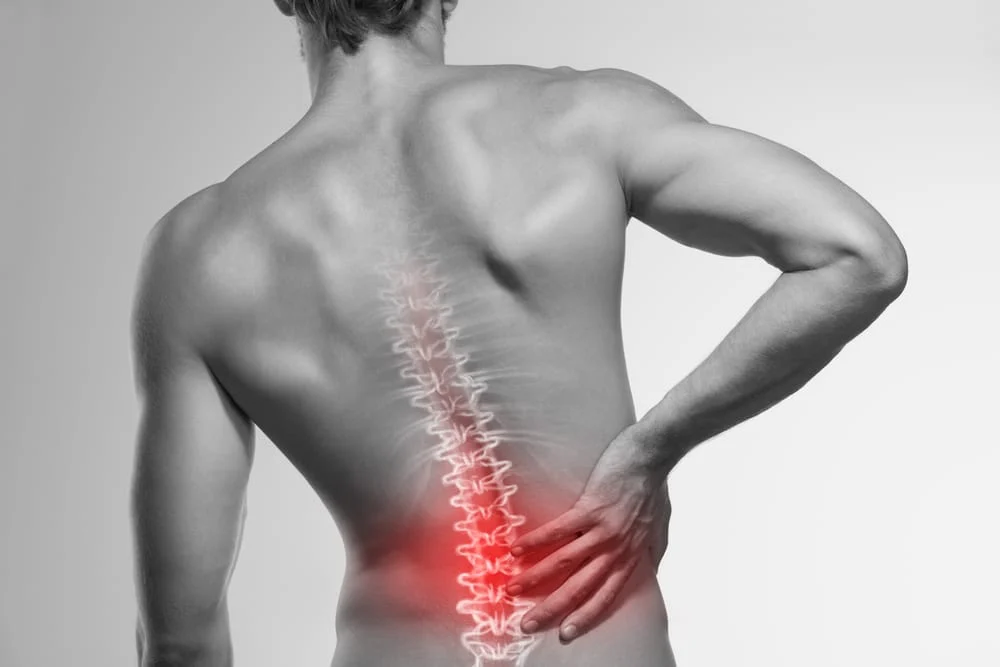
Interventional pain management is a medical subspecialty that uses specialized diagnostic and therapeutic techniques to manage and treat pain. The objective is to identify the precise anatomical source of the pain—whether it originates in the nerves, discs, or musculoskeletal structures—and address it directly through minimally invasive procedures.
Key operational pillars include:
- Non-Pharmacological Focus: Prioritizing procedures that negate the need for systemic drugs.
- Advanced Diagnostic Imaging: Utilizing real-time visualization to ensure pinpoint accuracy.
- On-Site Surgical Suites: Providing a centralized, convenient, and controlled environment for specialized treatments.
- Personalized Treatment Paths: Recognizing that no two patients experience pain in the exact same way.
Chronology: The Evolution of Pain Treatment
The journey toward the current standard of care at SWFL Pain Center reflects the broader evolution of medical technology over the last several decades.
The Era of Medication (Pre-2000s)
For much of the 20th century, the medical community’s response to chronic pain was heavily reliant on conservative treatments, including physical therapy and high-dose oral analgesics. While effective for acute injury, this approach often failed patients suffering from long-term, structural spinal or nerve-related issues.
The Rise of Interventional Techniques (2000–2015)
As medical imaging technology, such as high-resolution fluoroscopy and ultrasound, became more accessible, pain specialists began moving away from "blind" injections. This era saw the refinement of radiofrequency ablation and spinal cord stimulation, shifting the focus from masking pain to interrupting pain signals before they reached the brain.
The Integrated Modern Approach (Present Day)
Today, SWFL Pain Center represents the culmination of these advancements. By integrating surgical suites directly into the clinical environment, the center has streamlined the patient experience. The current model emphasizes a "high-tech meets high-touch" ethos, where the sterile precision of an operating room is balanced by an artistic, patient-centered atmosphere designed to reduce the anxiety often associated with medical procedures.
Supporting Data: The Efficacy of Advanced Interventions
The efficacy of the procedures offered at the Southwest Florida Pain Center is backed by growing clinical evidence regarding interventional outcomes.
Spinal Cord Stimulation (SCS)
SCS is one of the most significant breakthroughs in neuromodulation. By implanting a small device that sends electrical impulses to the spinal cord, patients can effectively "mask" chronic nerve pain. Studies have consistently shown that patients who undergo SCS for failed back surgery syndrome or complex regional pain syndrome (CRPS) report significant improvements in functional ability and a substantial reduction in the need for supplemental oral medication.
Radiofrequency Ablation (RFA)
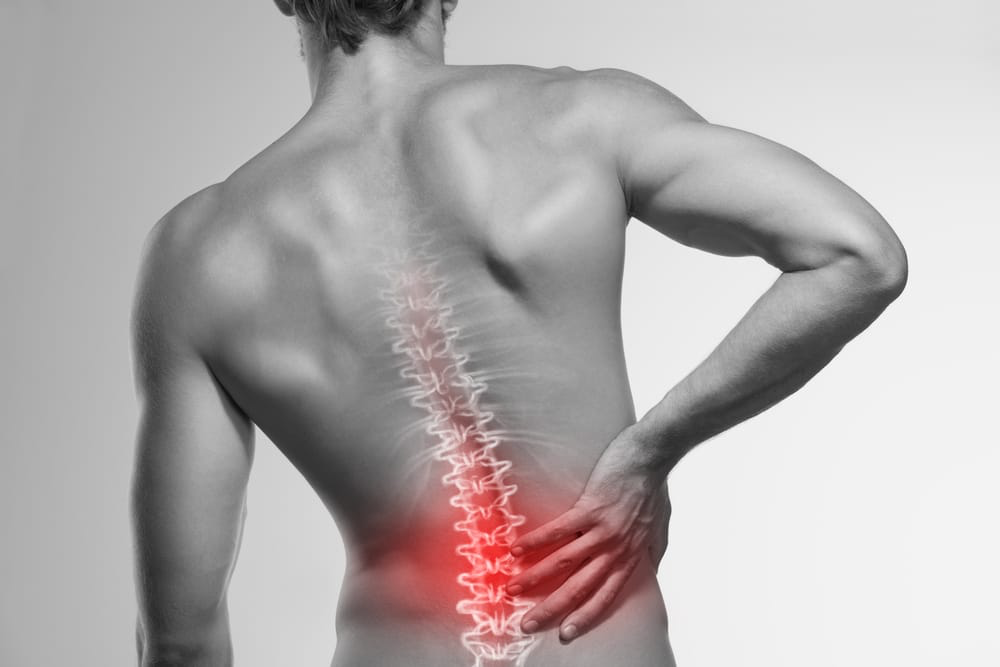
RFA is a minimally invasive procedure that uses heat generated by radio waves to target specific nerves. When these nerves are "ablated," they lose their ability to transmit pain signals to the brain. Data indicates that RFA is highly effective for facet joint pain—a common cause of chronic lower back discomfort—with many patients experiencing relief lasting six to twelve months or longer.
Ultrasound and Fluoroscopic Guidance
The use of real-time imaging (fluoroscopy and ultrasound) has dramatically reduced the complication rates associated with spinal injections. By visualizing the needle’s path through the soft tissue and bone, physicians can deliver steroids or anesthetic agents to the precise target site, ensuring higher success rates for conditions like herniated discs and spinal stenosis.
Official Perspectives: The Philosophy of Care
The leadership at SWFL Pain Center emphasizes that their approach is not just about clinical outcomes, but about the "art" of healing. In an interview context, the clinical team often highlights the necessity of the "high-touch" component.
"We understand that chronic pain is an isolating experience," says a spokesperson for the center. "Our facility is designed to move away from the cold, clinical feel of a hospital. By providing an artistic, soothing atmosphere, we find that patients are more relaxed, which is physiologically conducive to better surgical outcomes and faster recovery times."
The center’s commitment to "aggressive" treatment does not refer to the intensity of the surgery, but to the proactive nature of the diagnosis. The medical staff argues that waiting for pain to worsen or relying on passive therapies can often lead to muscle atrophy and psychological decline. By intervening early with precision-guided techniques, they aim to restore the patient’s ability to return to work, exercise, and family life as quickly as possible.
Implications: The Future of Pain-Free Living
The implications of the Southwest Florida Pain Center’s model for the healthcare industry are profound. As the global population ages, the demand for sophisticated pain management will only increase.
Reducing the Burden on the Healthcare System
By successfully managing chronic pain through outpatient interventional techniques, the center reduces the need for expensive, high-risk traditional surgeries like spinal fusions. This not only lowers the cost of care for the patient but also decreases the strain on hospital resources.
Combatting the Opioid Crisis
Perhaps the most significant societal implication is the role these clinics play in the reduction of opioid dependency. By providing legitimate, mechanical relief for chronic pain, patients no longer feel compelled to rely on narcotics to function. This "non-drug" focus is a critical component of public health efforts to curb the long-term usage of addictive pain medication.
Empowerment Through Education
The center’s emphasis on personal treatment paths implies a shift in power dynamics between doctor and patient. Patients are no longer passive recipients of medication; they are active participants in a diagnostic journey. Understanding the source of their pain through discography or imaging allows patients to take ownership of their recovery process, fostering a psychological resilience that is essential for long-term health.
The Role of Aesthetic Environment
While often overlooked in medical literature, the "artistic atmosphere" mentioned by the center is part of a growing movement in healthcare design known as "Evidence-Based Design." Studies have shown that patients in environments that incorporate natural light, art, and calming aesthetics recover faster, require less pain medication, and report higher satisfaction scores. SWFL Pain Center’s decision to prioritize this aspect of the patient experience demonstrates an understanding that healing is a holistic process.
Conclusion
The Southwest Florida Pain Center stands as a testament to the progress of 21st-century medicine. By refusing to settle for the limitations of conventional pharmaceutical treatment, the center has utilized the tools of modern technology—fluoroscopy, radiofrequency, and neuromodulation—to restore the quality of life for its patients.
For those living with the shadow of chronic pain, the path forward is no longer defined by the cycle of pills or the inevitability of invasive surgery. Instead, it is defined by precision, convenience, and a commitment to the "high-touch" care that honors the dignity of the patient. As the center continues to refine its techniques, it serves as a beacon for what is possible when high technology meets high-level clinical compassion, ultimately proving that a pain-free life is not just an aspiration, but a tangible, achievable reality.