









For centuries, the mulberry tree (Morus) has been a cornerstone of traditional medicine, valued in various cultures for its purported health-giving properties. From the use of its leaves in ancient herbal tea infusions to the consumption of its dark, succulent berries, the plant has long been integrated into human diets. However, modern science is now peeling back the layers of this ancient botanical, moving beyond anecdotal evidence to explore a cutting-edge frontier: the interaction between mulberry-derived bioactive compounds and the human gut microbiota.
A comprehensive new review, involving researchers from the Department of Dietetics and Bromatology at Wroclaw Medical University, suggests that the secret to the mulberry’s metabolic influence may lie not in a single "magic bullet" compound, but in the intricate synergy between specific plant species, their chemical composition, and the methods used to process them.
The Microbiota-Metabolism Connection
The human gut is home to trillions of microorganisms that perform functions far beyond simple digestion. Increasingly, researchers are uncovering that the gut microbiota plays a pivotal role in systemic metabolism—influencing everything from insulin sensitivity and glucose regulation to the management of lipid profiles.
"The gut microbiota not only contributes to the functioning of the gastrointestinal tract but may also influence metabolism throughout the body," explains Anna Prescha, PhD, DSc, Professor at Wroclaw Medical University. "Mulberry is particularly interesting in this respect because it contains numerous bioactive compounds, including polyphenols and polysaccharides, which may interact with gut microorganisms."
These compounds act as substrates for gut bacteria. When microbes ferment these materials, they produce short-chain fatty acids (SCFAs)—specifically acetate, propionate, and butyrate—which are essential for maintaining intestinal barrier integrity and modulating inflammatory responses.
Chronology: From Student Inquiry to Systematic Review
The origins of this investigation are as unique as the findings themselves. The research did not begin in a high-budget government laboratory, but rather within the walls of the Nutri-Sfera Student Research Group at Wroclaw Medical University.
The project was the brainchild of two students: Marta Miszczak, a dietetics major, and Karolina Kłosowska-Buryło, a pharmacy student. Recognizing that the study of plant-based interventions required both nutritional expertise and pharmaceutical rigor, the pair proposed an interdisciplinary deep dive into the literature surrounding mulberry and gut health.
"This fitted very well with the interdisciplinary nature of the study," says Prof. Prescha, who mentored the students. "It combined a perspective on mulberry as a plant material with a specific composition with an analysis of its potential effects on the microbiota and metabolism."
Over the course of their review, the researchers synthesized years of disparate studies, identifying patterns in how different Morus species affect the microbial landscape. The transition from a student-led idea to a published scientific review highlights the growing importance of cross-disciplinary collaboration in understanding how diet influences the "hidden organ" of the body—the microbiome.
Supporting Data: The Complexity of the Mulberry Profile
A critical takeaway from the Wroclaw team’s review is that "mulberry" is not a monolithic substance. The biological impact of the plant is heavily dependent on three variables: the species, the part of the plant used, and the processing method.
The Species Distinction
While white mulberry (Morus alba) has been the primary focus of most clinical literature, the review emphasizes that black mulberry (Morus nigra) is a powerhouse in its own right.
- Leaves: These are highly valued for their high concentrations of 1-deoxynojirimycin (DNJ), an alkaloid known to inhibit enzymes involved in carbohydrate metabolism.
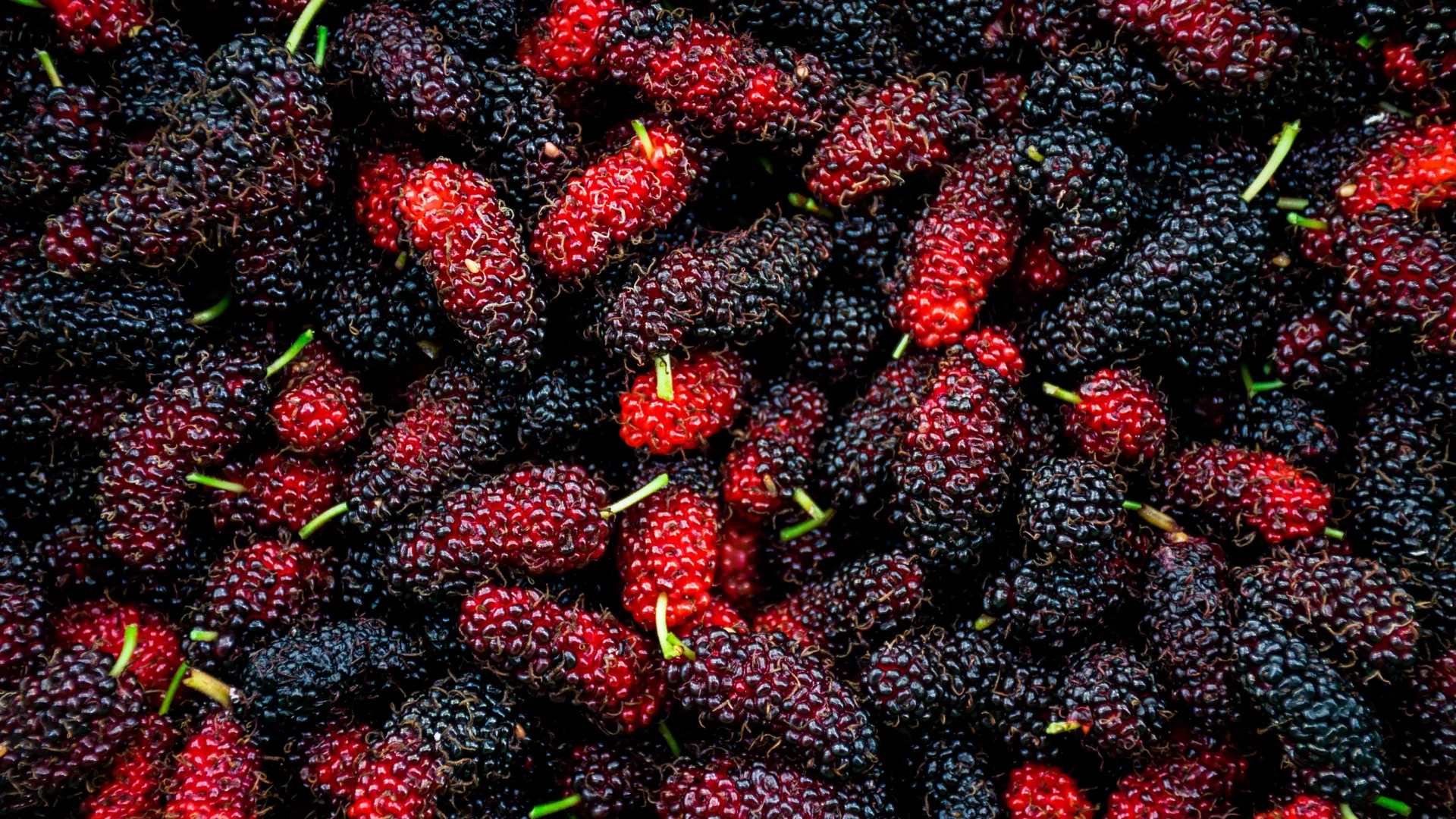
- Fruit: Black mulberry fruits are rich in anthocyanins—the pigments responsible for their deep color—which possess potent antioxidant and prebiotic properties.
The Processing Paradox
The researchers discovered that how a mulberry preparation is crafted is just as important as the plant itself. Drying, fermentation, and extraction techniques (such as water extraction vs. enzymatic extraction using pectate lyase) can significantly alter the bioavailability and structure of polysaccharides.
For instance, when examining polysaccharides from black mulberry fruit, the team found that structural fractions obtained via specific enzymatic processes were far more effective at stimulating beneficial gut bacteria than others. This suggests that the "prebiotic potential" of a mulberry supplement is not inherent; it is manufactured through the laboratory process.
Official Responses and Key Findings
The most compelling evidence for the efficacy of mulberry comes from animal models, where complex preparations have shown remarkable results.
In experiments involving mice fed high-fat diets, the administration of a "combined fraction" (containing both polyphenols and polysaccharides from white mulberry) yielded superior results compared to administering these compounds in isolation. The mice receiving the combined preparation experienced a more favorable shift in their gut microbial composition, which correlated with significant improvements in metabolic syndrome markers.
To prove that the microbiota was the driver of these changes, the researchers conducted a microbiota transplantation experiment. By transferring the gut bacteria from the mulberry-treated mice into a new group of animals, they observed similar metabolic improvements in the recipients. This finding suggests that the mulberry is not merely interacting with the host’s body directly, but is "reprogramming" the gut microbiome to a healthier state.
"These findings suggest that what matters is not only the presence of an individual compound, but also the complex composition of the preparation, the proportions of its compounds, and their interactions," Prof. Prescha emphasizes. "Therefore, rather than searching for a single universal product, it is worth determining which combination of species, plant part, composition, and processing method produces a specific biological effect."
Implications for Future Health and Clinical Practice
Despite the promising nature of these findings, the scientific community remains cautious. The current body of evidence is built almost entirely upon animal models and in vitro (test tube) studies.
The Missing Link: Human Clinical Trials
The most significant hurdle identified by the Wroclaw Medical University team is the current lack of human clinical trials. While the mechanisms observed in mice—such as the production of SCFAs and the modulation of glucose metabolism—are biologically plausible in humans, there is no guarantee of identical outcomes.
Furthermore, the lack of standardized preparations makes it difficult to compare results across the existing literature. Without a "standardized extract," it is nearly impossible for researchers to determine the correct dosage or the specific profile of compounds that would be effective for a human patient.
The Path Forward
For mulberry to move from a traditional remedy to a evidence-based therapeutic, the following steps are required:
- Standardization: Developing industry-wide standards for mulberry leaf and fruit extracts so that researchers can test consistent, high-quality products.
- Human Studies: Well-designed, double-blind, placebo-controlled trials are needed to observe the impact of mulberry supplementation on human fecal microbiota and systemic metabolic markers.
- Dose-Response Mapping: Identifying the minimum effective dose and understanding the potential for long-term usage.
Conclusion
The research led by Wroclaw Medical University represents a significant leap forward in our understanding of how botanical compounds interact with the human microbiome. By moving the conversation away from single-molecule isolation and toward the "complex composition" of the mulberry plant, scientists are opening new doors for metabolic health interventions.
While we are not yet at the stage where doctors can prescribe mulberry extract for metabolic syndrome, the potential is clear. The mulberry, an ancient fixture in the human diet, may soon be recognized as a sophisticated tool for modulating our internal microbial ecosystem. For now, the journey continues in the lab, as researchers look to bridge the gap between promising animal experiments and the complex reality of human clinical health. As Prof. Prescha and her colleagues have demonstrated, the answers lie not just in what we eat, but in how those foods are crafted and how they communicate with the trillions of organisms living within us.