










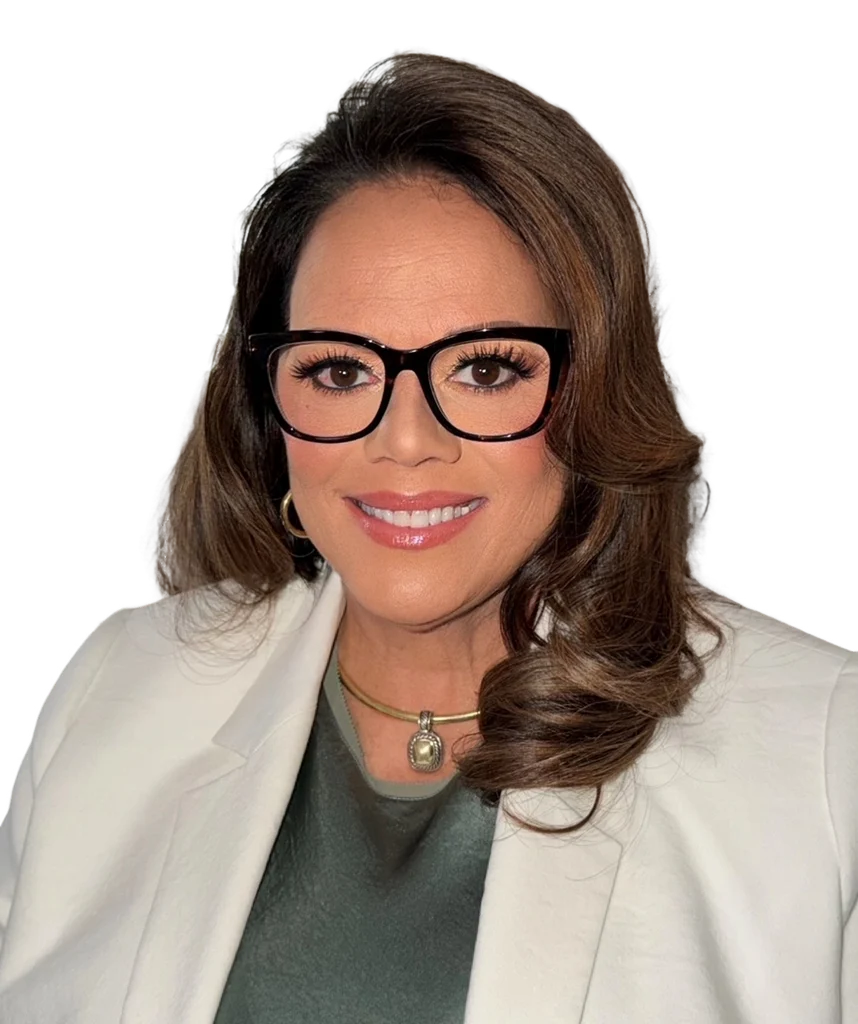
In the complex ecosystem of family caregiving, there is a pervasive myth: that the caregiver is an inexhaustible resource. However, as September marks Self-Care Awareness Month, the conversation is shifting from passive encouragement to active, structural support. On a recent episode of the Caregiving Club On Air podcast (Season 6, Episode 74), host Sherri Snelling—a renowned corporate gerontologist and author—sat down with Laura Williams, the visionary founder and CEO of Respitely, to address the critical need for "CareGifting" and the essential nature of the caregiver’s break.
The Marathon Mentality: Why Caregiving Requires Calibration
Caregiving is often romanticized as a labor of love, but the physical and mental reality is akin to a long-distance marathon. Without intermittent periods of rest, the inevitable result is burnout, compromised health for the caregiver, and a decline in the quality of care provided to the loved one.
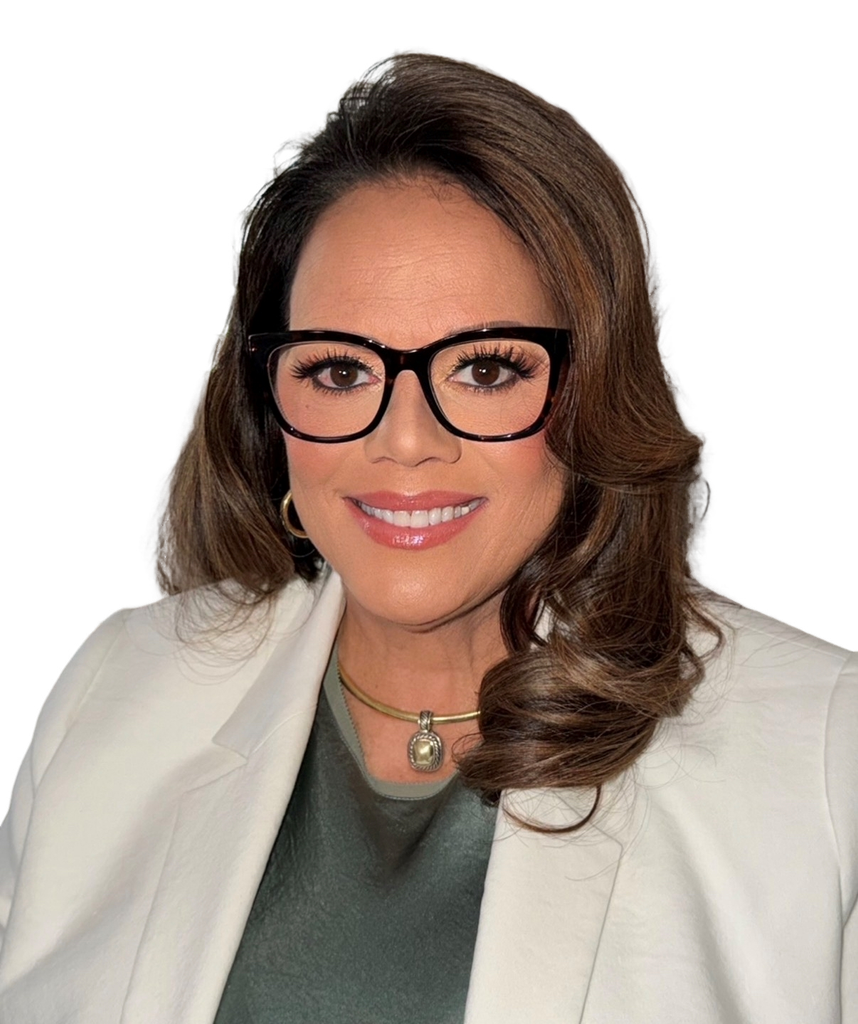
"We often talk about caregiving as a marathon, not a sprint," Snelling explains. "In order to continue in the race, you have to take the breaks—both physically and mentally—that allow you to take a breath. It is the only way to create calm in the chaos of caregiving."
The challenge, however, is that caregivers rarely prioritize their own needs. They are often trapped in a cycle of reactive crisis management, feeling that stepping away is an admission of failure or a betrayal of their loved one. This is where the cultural shift toward "respite" must occur. Respite care is not a luxury; it is a clinical necessity for maintaining the caregiver’s health and the long-term sustainability of the caregiving arrangement.
A Personal Catalyst: The Origin of Respitely
Laura Williams did not stumble into the world of respite care by chance. Her journey was forged in the fires of the "Sandwich Generation"—that precarious demographic balancing the care of aging parents while often managing careers and their own children.
As a long-distance caregiver for her mother, Williams experienced firsthand the logistical nightmares, the emotional exhaustion, and the profound guilt associated with finding reliable, high-quality help. She recognized a massive gap in the market: while there are services like DoorDash or Uber Eats that simplify physical tasks through technology, there was no streamlined, gift-based mechanism for a family member or friend to provide the ultimate gift—time.
"Respitely was born out of my own necessity," Williams explains. "I realized that the people in my life wanted to help, but they didn’t know how. They would bring casseroles or send flowers, which were lovely, but what I truly needed was four hours of peace to recharge my batteries. Respitely provides a platform where loved ones can fund ‘CareGifting,’ effectively acting as a digital bridge between a supporter’s desire to help and a caregiver’s desperate need for a break."
The Mechanics of "CareGifting"
The concept of CareGifting is simple yet revolutionary. It functions similarly to crowdsourcing platforms like GoFundMe, but it is hyper-focused on the specific utility of professional respite care.
When a friend or family member recognizes that a primary caregiver is nearing a breaking point, they can initiate a Respitely campaign. The funds raised are specifically earmarked for professional, vetted respite services. This removes the financial burden from the caregiver while simultaneously eliminating the friction of "asking for help." It is a proactive, community-driven intervention that empowers the caregiver to step away without the lingering anxiety of who will handle the caregiving duties in their absence.
Supporting Data and the Professional Landscape
The necessity for such services is backed by sobering statistics. According to the National Alliance for Caregiving and AARP, millions of Americans provide unpaid care to older adults, and a significant portion of these individuals report that their own physical and mental health has declined as a result.
In the workplace, this manifests as "presenteeism," where employees are physically at work but mentally preoccupied with caregiving crises, leading to billions of dollars in lost productivity annually. By integrating respite care as a standard support pillar—both at home and in the corporate environment—employers and families can foster a more sustainable caregiving infrastructure.
Implications for the Future of Caregiving
The collaboration between experts like Sherri Snelling and innovators like Laura Williams signals a broader trend: the professionalization and "tech-enablement" of the family caregiver support system.

- Destigmatizing the Break: The primary implication is the cultural shift toward accepting that a break is not a dereliction of duty. By framing respite as "Self-Care," the narrative changes from selfishness to health preservation.
- Workplace Integration: As Snelling explores in her various articles on "The Future of Caregiving in the Workplace," corporations are beginning to realize that providing caregiving benefits—including connections to respite services—is a retention and culture-building strategy.
- The Power of the Network: Respitely proves that caregiving does not have to be an isolating experience. By leveraging the social circle of the caregiver, the burden is distributed, and the emotional isolation of the "solitary caregiver" is broken.
A Comprehensive Resource Guide for Caregivers
Recognizing that no single solution fits every family, Snelling and Williams highlighted a robust array of resources for those seeking respite:
- ARCH National Respite Care Network: The gold standard for finding agencies and services across the United States.
- Care.com: A professional marketplace that allows caregivers to "match" with independent workers, ideal for those who prefer to vet their own support.
- Comfort Keepers: Offering over 25 years of experience in companionship and in-home respite.
- Hilarity for Charity (HFC): Specifically for dementia caregivers, this organization offers "care grants" to help families secure free professional support.
- UsAging: A gateway to local Area Agencies on Aging, which provide localized, often government-subsidized options for respite.
- Veteran’s Administration Caregiver Support Program: Providing up to 30 days of free respite care annually for eligible veterans’ caregivers.
- CaringBridge: A digital platform that allows family and friends to coordinate volunteer shifts to assist with caregiving duties.
Conclusion: Making the "Me Time" a Reality
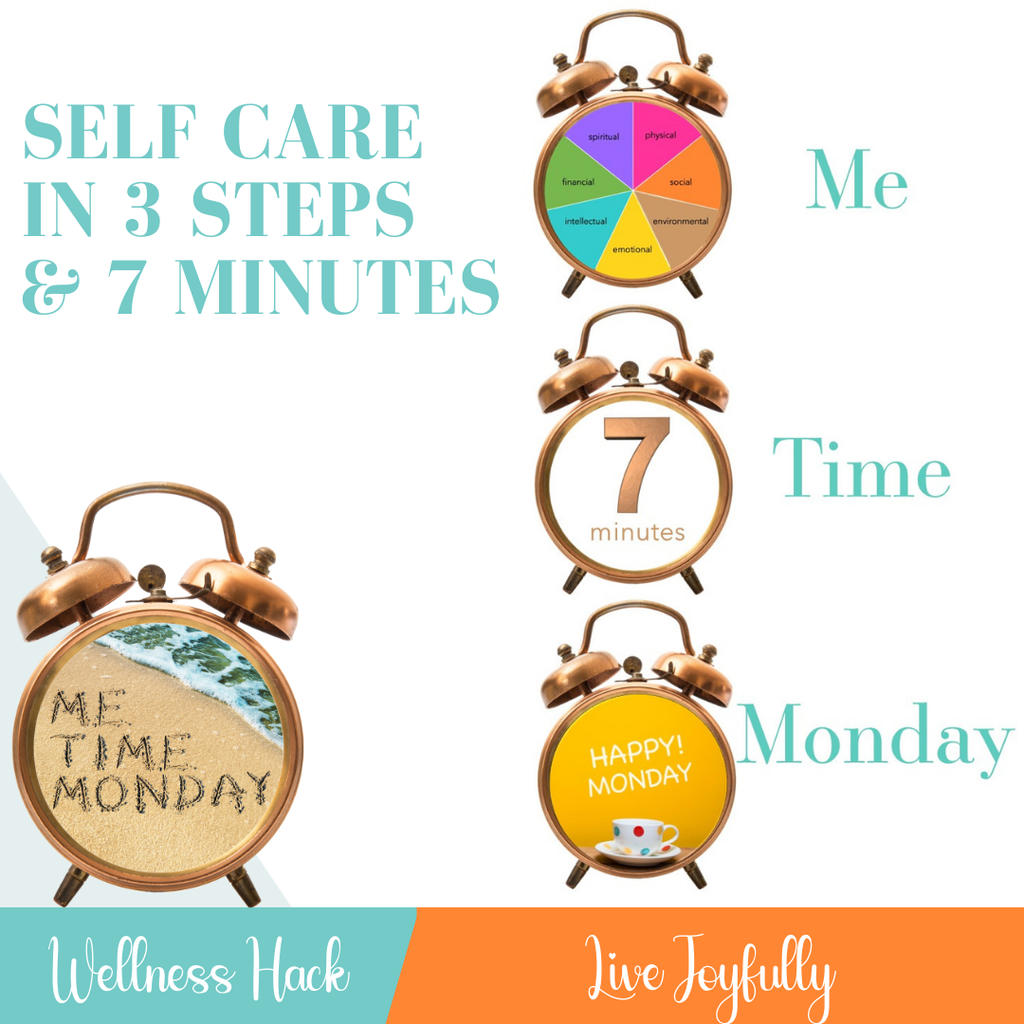
As we reflect on Self-Care Awareness Month, the takeaway is clear: the system is beginning to adapt to the reality of the modern caregiver. Through initiatives like the Caregiving Club’s "Me Time Monday" video series and the innovative CareGifting model of Respitely, there is a roadmap to navigate the chaos.

The most profound realization from the Caregiving Club On Air podcast is that you cannot pour from an empty cup. Whether it is through a formal grant, a community-funded Respitely account, or a simple volunteer shift organized via an app, the act of seeking respite is the most significant step a caregiver can take to ensure they remain a vibrant, healthy presence in their loved one’s life.
The race is long, but with the right support, the finish line becomes much easier to reach—and the journey, perhaps, a little more sustainable.