











5 October, 2026
In a landmark move for global health security, a multinational consortium officially launched the HENIPROTECT initiative on 1 September 2026. This ambitious, six-year project marks a decisive step toward developing the world’s first inhaled antibody treatment for the Nipah virus (NiV)—a highly lethal pathogen that has long been identified by the World Health Organization (WHO) as a top-tier pandemic threat.
By leveraging cutting-edge biotechnology and European collaborative research frameworks, HENIPROTECT seeks to transition from theoretical defense to clinical reality, aiming to neutralize one of nature’s most formidable respiratory viruses before it can spark a global crisis.
The Core Mandate: Combatting the Nipah Virus
The Nipah virus is a zoonotic pathogen of significant concern, primarily hosted by Pteropus fruit bats. While these bats serve as asymptomatic reservoirs, the virus’s spillover into human populations—often through contaminated food products or direct contact with livestock—can have devastating consequences.
Once transmitted to humans, the virus manifests through a spectrum of symptoms ranging from mild respiratory distress, headaches, and muscle aches to severe encephalitis and acute respiratory distress syndrome (ARDS). With case fatality rates (CFR) estimated as high as 75% in some outbreaks, the virus is among the most dangerous emerging infectious diseases. Currently, there are no licensed, widely available vaccines or therapeutics to treat NiV, leaving affected regions vulnerable to sporadic, high-mortality outbreaks.
HENIPROTECT aims to bridge this catastrophic gap. By focusing on a novel antibody cocktail, the project intends to neutralize the virus at the point of entry. Unlike traditional intravenous treatments, the inhalation delivery method is specifically designed to deposit the therapeutic agent directly into the nasal cavity and the lungs, effectively creating a mucosal barrier that prevents the virus from disseminating throughout the body or spreading to others.
Chronology: The Path to HENIPROTECT
The formation of this consortium represents the culmination of years of escalating concern regarding zoonotic spillover.
- Pre-2025: Growing international alarm regarding the Hendra and Nipah viruses prompts the European Union to prioritize the development of countermeasures for "priority infectious diseases" listed under the WHO R&D Blueprint.
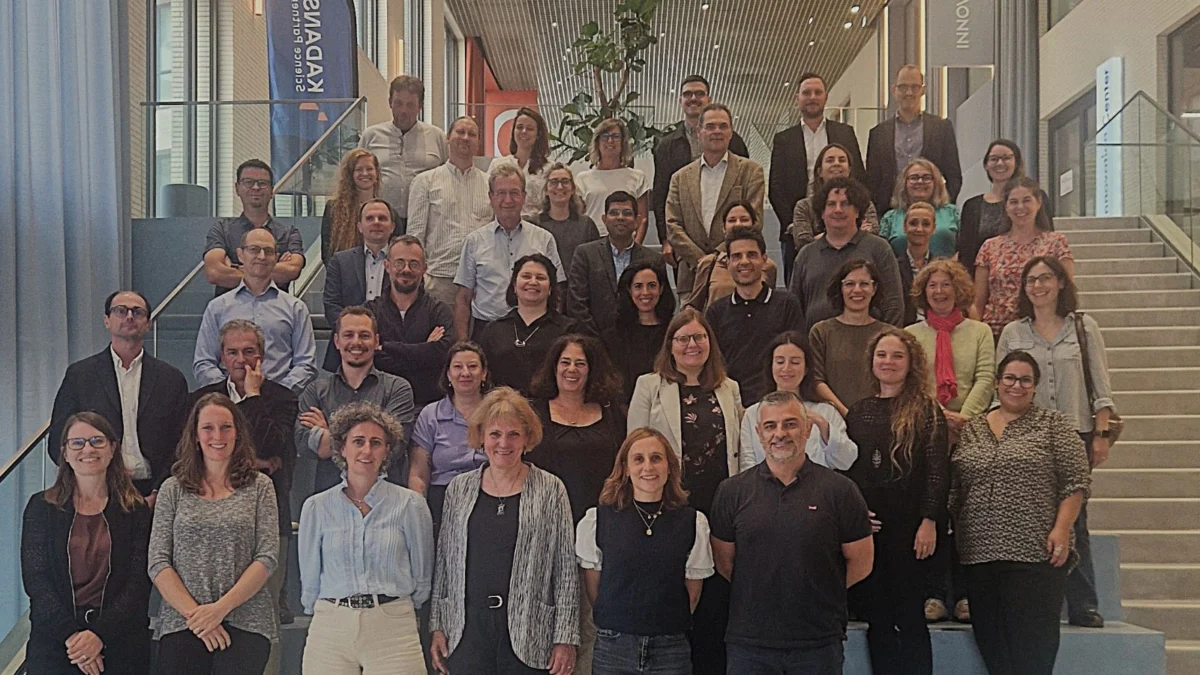
- Early 2026: Formation of the multi-disciplinary consortium. The project gathers 19 partners spanning eight countries, including academic, clinical, and policy-focused organizations like the European Respiratory Society and the European Lung Foundation.
- 1 September 2026: Official launch of the HENIPROTECT project, supported by a significant Horizon Europe grant (Grant Agreement 101286662).
- 2026–2032: The proposed six-year window for the initiative. The project is structured into phases, beginning with molecular characterization and moving through pharmacological assessment, Good Manufacturing Practice (GMP) facility establishment, and finally, early-stage clinical trials in healthy volunteers.
Supporting Data: Why Inhalation?
The scientific rationale behind the inhaled antibody approach is rooted in the viral transmission dynamics of the Henipavirus genus. Because the virus often attacks the respiratory tract during the initial stages of infection, administering therapeutics through inhalation offers two distinct advantages:
- Immediate Neutralization: By delivering high concentrations of antibodies directly to the primary site of infection (the respiratory epithelium), the drug can neutralize viral particles before they infiltrate the bloodstream or the central nervous system.
- Transmission Interruption: In a pandemic scenario, an inhaled treatment acts not only as a therapy for the patient but also as a public health tool. By reducing viral load in the airways, the patient becomes less likely to shed the virus, thereby limiting the "chain of transmission" within a community.
The project will also utilize high-standard manufacturing strategies to ensure that the treatment is not only safe for human use but also scalable. A critical component of the HENIPROTECT mandate is the development of a "toolkit"—a flexible manufacturing strategy designed to adapt the antibody cocktail to counter future variants or mutations of the virus, as well as related pathogens like the Hendra virus.
Official Perspectives and Strategic Implications
The launch of HENIPROTECT has been met with cautious optimism by global health experts. By integrating 19 partners, the project emphasizes a "One Health" approach, acknowledging that human, animal, and environmental health are inextricably linked.
Strengthening Health Security
For the European Union, HENIPROTECT is a cornerstone of its post-pandemic resilience strategy. The European Commission has stressed that reliance on reactive medicine is no longer sufficient. By investing in proactive drug discovery for high-risk pathogens, the EU is positioning itself as a leader in global pandemic preparedness.
"This is not merely about creating a single drug," noted a project representative during the launch. "It is about building a blueprint for rapid response. We are developing the regulatory pathways, the manufacturing capability, and the scientific infrastructure to respond to any future respiratory threat of this genus."
The Challenge of Global Access
A significant pillar of the project’s mission is addressing equity. Historically, treatments for "tropical" or "niche" viruses have been difficult to distribute to the rural or agricultural areas where outbreaks most frequently occur. HENIPROTECT is committed to developing a manufacturing strategy that facilitates global access, ensuring that if a crisis arises, the treatment can be produced and deployed efficiently, even in resource-limited settings.
Implications: A New Era in Virology
The implications of HENIPROTECT extend far beyond the Nipah virus. By establishing a platform for the rapid development of antibody-based respiratory therapeutics, the consortium is effectively stress-testing a new paradigm in modern medicine.
1. Scientific Innovation
The project’s focus on the Henipavirus genus—which includes both Nipah and Hendra—highlights the concept of "platform-based development." If researchers can master the delivery of antibodies to the lungs for one virus, they can theoretically pivot to others. This cross-pathogen applicability is the "Holy Grail" of modern infectious disease research.
2. Regulatory and Clinical Advancement
The project will navigate the complex regulatory hurdles of bringing an inhaled biological product to market. The early-stage clinical trials in healthy volunteers will provide invaluable data on the safety and pharmacokinetics of such a treatment. This data will likely set a new industry standard for similar future projects, reducing the time required to move from the lab to the bedside.
3. Pandemic Preparedness
The world has learned through the COVID-19 pandemic that the "time-to-treatment" is the most critical factor in preventing an outbreak from becoming a global catastrophe. HENIPROTECT addresses the "waiting game" by ensuring that the clinical and manufacturing infrastructure is ready before the next spillover occurs.
4. A Template for Cooperation
The collaboration between 19 partners across eight countries is a testament to the power of international scientific cooperation. By pooling resources, expertise, and facilities, the European Union is demonstrating that the challenges of the 21st century—such as the emergence of zoonotic pathogens—cannot be solved in isolation.
Conclusion: Looking Ahead
As the world enters the first year of the HENIPROTECT initiative, the scientific community watches with interest. While the path to a fully licensed treatment is long, involving rigorous clinical trials and strict adherence to safety standards, the foundational work is now underway.
The Nipah virus remains a formidable, high-consequence threat, capable of causing widespread fear and loss of life. However, with the launch of HENIPROTECT, the global community has moved a step closer to turning the tide. By prioritizing innovative delivery methods, scalable manufacturing, and international partnership, the project offers more than just a potential medicine; it offers a vision of a world that is better equipped, better prepared, and better defended against the invisible threats that emerge from the wild.
Disclaimer: This project is funded by the European Union (Grant Agreement 101286662). The views and opinions expressed in this report are those of the author(s) only and do not necessarily reflect those of the European Union or the European Commission. Neither the European Union nor the granting authority can be held responsible for them.