









In an era where brain health has become a paramount concern for an aging global population, a massive, multi-country study has provided compelling new evidence that the secret to a sharper mind may lie in our social calendars. Examining 57,793 adults across 24 countries, researchers have identified a robust correlation between regular social activity and the maintenance of cognitive function.
As the world grapples with the rising prevalence of neurodegenerative conditions, this research offers a practical, lifestyle-based lens through which to view cognitive aging. While the study stops short of claiming that social interaction is a definitive cure for cognitive decline, it highlights the profound impact that community participation—such as volunteering or joining sports clubs—can have on the long-term vitality of the human brain.
Main Facts: A Global Perspective on Brain Longevity
The study, which followed participants for a median period of six years, utilized standardized cognitive testing to measure memory, executive function, and overall mental acuity. By analyzing a diverse cohort spanning nearly two dozen nations, researchers were able to control for various cultural and socioeconomic variables, revealing a consistent trend: those who remained socially active demonstrated significantly higher cognitive scores over time compared to their more isolated counterparts.
The findings come at a critical time. A 2026 report by the Alzheimer’s Association noted that while 90% of American adults consider brain health a top priority, only 9% feel they possess a clear understanding of the actionable steps required to preserve it. This study aims to bridge that knowledge gap, transforming the abstract concept of "brain health" into concrete, habitual actions.
Chronology: Following the Cognitive Arc
To understand the trajectory of cognitive health, the research team employed a longitudinal design, tracking participants over a median of six years. This duration is essential in the study of aging, as it allows researchers to observe the subtle, incremental shifts in cognitive processing that occur as individuals enter their later decades.
The Research Process
- Initial Assessment: Participants provided baseline data on their lifestyle, including the frequency and type of social activities they engaged in, such as volunteering, participating in sports clubs, or attending educational classes.
- Periodic Evaluation: At regular intervals, researchers administered rigorous cognitive assessments. These tests were designed to evaluate memory retention, problem-solving speed, and attention span.
- Data Synthesis: By mapping activity levels against the results of these repeated tests, researchers could track the "cognitive slope"—the rate at which an individual’s mental performance changed over the six-year window.
This longitudinal approach is particularly valuable because it moves away from the "snapshot" methodology often seen in shorter studies, providing a clearer picture of how social habits influence the aging brain in real-time.
Supporting Data: The Power of Community and Purpose
Among the most striking findings of the study was the prominence of specific activities. While general social interaction was beneficial, two activities stood out as "cognitive powerhouses": volunteering and sports club participation.
Why These Activities?
Researchers hypothesize that these specific endeavors require a "dual-engagement" mechanism. Volunteering often demands complex social navigation, empathy, and organizational skills, while sports clubs provide a combination of physical exertion and team-based strategic thinking.
This aligns with previous, smaller-scale studies. For instance, a four-year study focused on adults over 65 found that consistent attendance at community groups significantly lowered cognitive risk—specifically among those who were otherwise sedentary. This suggests that the social stimulation inherent in group settings acts as a "buffer," potentially compensating for a lack of formal exercise.
Official Responses and Theoretical Frameworks: The Concept of Cognitive Reserve
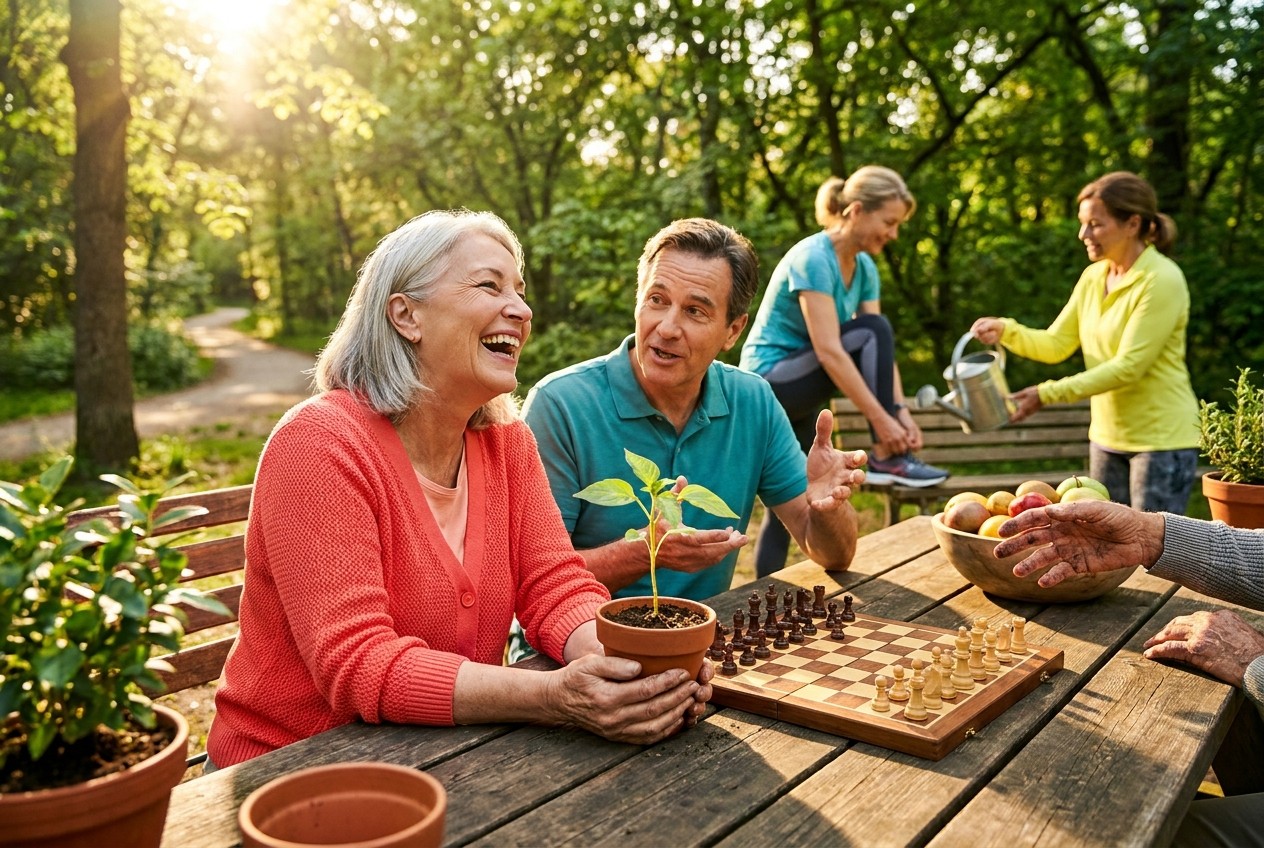
How does chatting with a friend or coaching a youth sports team actually protect the brain? The leading theory offered by the researchers is the development of "cognitive reserve."
Understanding Cognitive Reserve
Cognitive reserve is the brain’s ability to improvise and find alternative pathways to complete tasks, even when faced with the physical damage of aging or disease. It is not about the size of the brain, but rather its efficiency. Imaging studies suggest that individuals with high cognitive reserve can utilize different neural networks to achieve the same result as someone with a less "efficient" brain.
The Role of Neuroplasticity
The study also touches upon neuroplasticity—the brain’s inherent ability to grow new functional connections and reform neural pathways. When we challenge our brains through new social stimuli, we are essentially "exercising" our neural architecture. Just as muscles grow stronger under resistance, the brain builds stronger connections when it is forced to navigate the unpredictable nature of social interaction.
However, it is vital to note that these explanations are currently theoretical. While the association is strong, it does not confirm a direct causal mechanism. It remains unclear whether social activity causes cognitive preservation, or if individuals with inherently sharper cognitive function are simply more predisposed to remain social.
Limitations: Navigating the Complexity of Observational Science
While the scale of this study is impressive, the researchers are the first to acknowledge the inherent limitations of observational research.
The Problem of Attrition
Longitudinal studies are notoriously difficult to maintain over many years. A significant challenge is "attrition," where participants drop out due to death, loss of interest, or—most relevant to this study—cognitive decline that renders them unable to complete the follow-up assessments. If the individuals who drop out are the ones who were already experiencing the steepest decline, the final data may inadvertently over-represent the "healthier" population, a phenomenon known as selection bias.
The Mystery of Causality
The study cannot definitively state that social activity prevents decline. It is possible that the relationship is bidirectional: a healthy brain makes it easier to engage socially, which in turn reinforces brain health. Furthermore, the study did not identify a "minimum dosage" of social activity required to see results, nor did it isolate exactly which aspects of these activities—the physical, the intellectual, or the emotional—are the most critical.
Implications: A Roadmap for Healthy Aging
The most empowering takeaway from this global study is that one does not need a hyper-scheduled calendar to reap the benefits. The researchers emphasize that the quality of engagement and personal enjoyment are the primary drivers of success.
Practical Suggestions for the Public
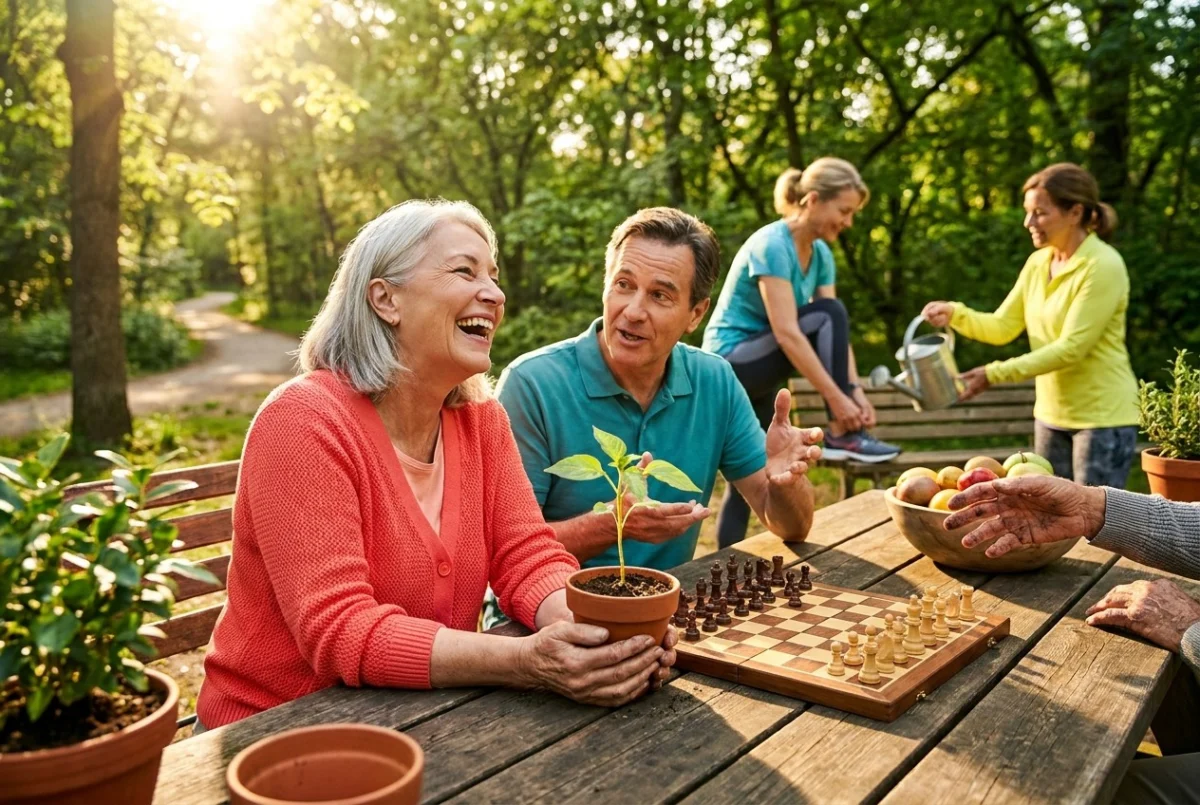
- Prioritize Enjoyment: Don’t force yourself into activities that feel like a chore. The consistency of the habit is more important than the intensity of the specific task. If you enjoy gardening, join a community garden club; if you enjoy history, take a local lecture class.
- Seek Diversity: The study suggests that a variety of activities is linked to better outcomes. Engaging in different types of social settings (e.g., a book club one day and a volunteer group the next) keeps the brain from falling into rigid, repetitive patterns.
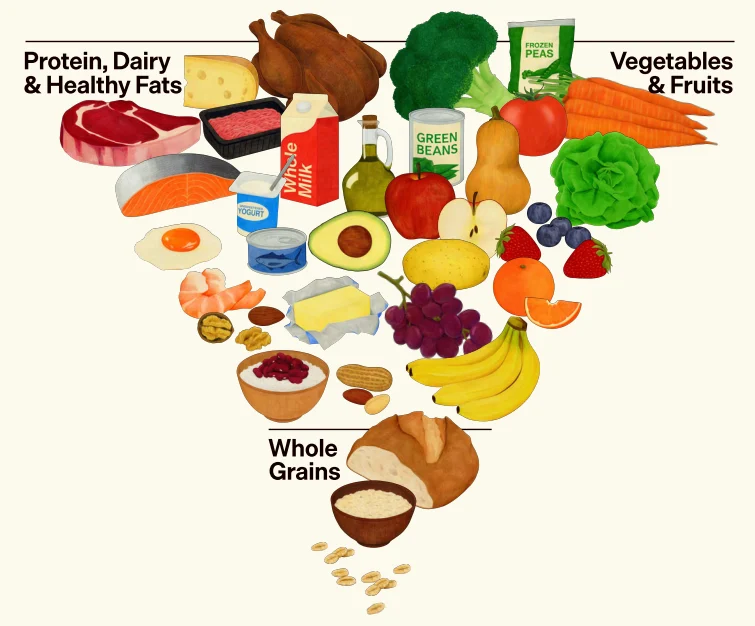
- The Multimodal Approach: While this study focuses on social engagement, experts suggest a "holistic" approach. When paired with other known factors—such as a heart-healthy diet, regular cardiovascular exercise, and routine intellectual challenges—social activity acts as a cornerstone of a comprehensive brain-health strategy.
The Shifting View of Aging
The research also underscores a significant cultural shift in how we view the aging process. We are moving away from the fatalistic view that cognitive decline is an inevitable, linear descent. Instead, modern science is painting a picture of a dynamic, adaptable organ that responds to the environment well into our later years.
By focusing on community and social connection, we are not just adding years to our lives, but "cognitive life" to our years. As we continue to refine our understanding of the social brain, the evidence suggests that the most sophisticated tool we have for maintaining mental sharpness is often the person sitting across from us at the dinner table or on the volunteer committee.
In conclusion, while the search for a pharmacological "magic bullet" for brain health continues, this study provides a reassuring message: the community we build today is a foundational investment in the cognitive health of our future selves. Whether it is through the teamwork of a sports club or the altruism of volunteering, staying connected is not just a social nicety—it is an essential practice for a resilient, vibrant mind.