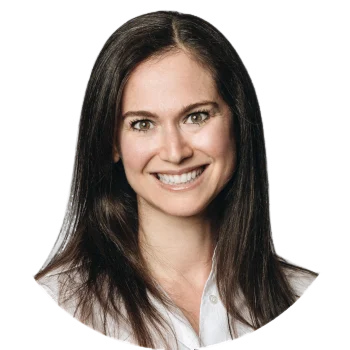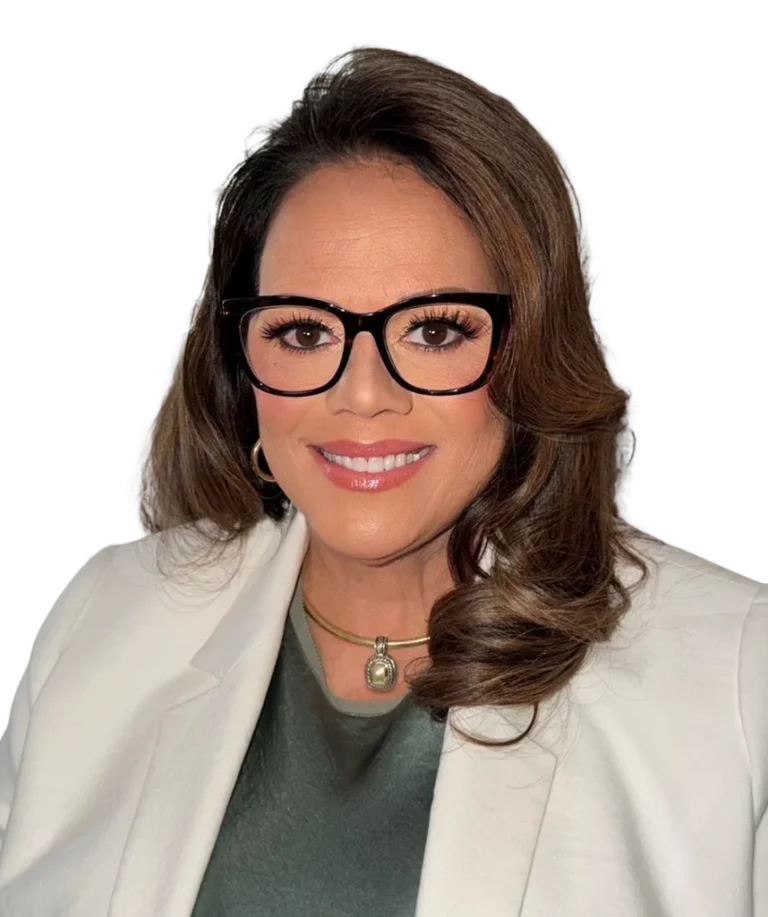






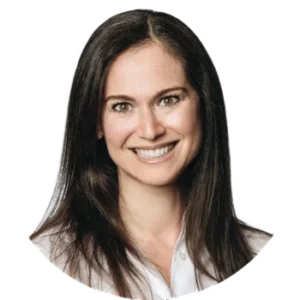



As October marks "Work-Family Month," the intersection of professional obligations and the personal demands of caregiving has never been more critical. In the latest episode of the Caregiving Club On Air podcast (Season 6, Episode 76), host Sherri Snelling sat down with Lindsay Jurist-Rosner, the Founder and CEO of Wellthy, to dissect the shifting landscape of what is now being termed "lifespan caregiving."
The conversation arrives at a pivotal moment. With over 63 million Americans currently providing care for an adult and 72 million raising children, the modern employee is increasingly tasked with a "double shift"—one at the office and one at home. As employers scramble to adapt to these realities, the need for comprehensive navigation, respite care, and systemic cultural change has become a business imperative rather than a luxury benefit.
The Paradigm Shift: Defining Lifespan Caregiving
For decades, the concept of "work-life balance" was largely siloed into childcare. However, the current demographic reality—often dubbed the "Sandwich Generation" crisis—has expanded this scope significantly. Today, a single employee might be managing complex medical appointments for an aging parent, coordinating support for a spouse with chronic health issues, and addressing the developmental needs of their own children.
"Lifespan caregiving" describes this holistic approach to support. It acknowledges that caregiving is not a temporary phase, but a continuous journey that spans the entirety of an employee’s career.

Lindsay Jurist-Rosner, whose company Wellthy recently expanded its reach by acquiring Cleo to integrate childcare services with its established senior care navigation, emphasizes that the fragmentation of these services is the primary pain point for families. By consolidating support, companies like Wellthy are attempting to create a "single point of entry" for employees overwhelmed by the logistical, financial, and emotional complexities of health systems.
Chronology of the Caregiving Crisis
The recognition of caregiving as a workplace issue has evolved through three distinct phases:
- The Recognition Phase (2010–2018): Caregiving began appearing as a minor HR footnote, primarily focused on emergency leave or basic EAP (Employee Assistance Program) referrals.
- The Visibility Phase (2019–2022): The pandemic acted as a massive accelerant, forcing the reality of remote caregiving into the living rooms of executives. The "hidden" workforce of caregivers suddenly became visible when schools and daycare centers closed, and home health aides became scarce.
- The Strategic Integration Phase (2023–Present): Companies are now moving beyond "check-the-box" benefits. Data-driven organizations are integrating caregiving support into core retention and productivity strategies, recognizing that turnover related to caregiver burnout is a multi-billion-dollar annual drain on the U.S. economy.
Supporting Data: The Scale of the Challenge
The statistics underpinning the need for a shift in workplace culture are staggering:
- The Adult Care Gap: More than 63 million Americans are currently providing unpaid care to an adult loved one.
- The Childcare Burden: Approximately 72 million Americans are parents, and of those, 1 in 6 are raising a child with complex or special needs, requiring a level of navigation that far exceeds standard parenting responsibilities.
- The Economic Impact: According to recent research highlighted during the interview, the cost of employee turnover—often driven by caregivers forced to leave the workforce—can reach 1.5 to 2 times an employee’s annual salary.
- Productivity Loss: Estimates suggest that "presenteeism"—when employees are physically at work but mentally distracted by caregiving crises—costs U.S. businesses billions annually.
Official Perspectives: Navigating the System
During the interview, Jurist-Rosner highlighted that the greatest barrier to effective caregiving is not necessarily a lack of resources, but a lack of navigation. "Health systems are intentionally complex," Jurist-Rosner noted. "Employees don’t just need a list of phone numbers; they need a partner to help them advocate for their loved ones, understand insurance claims, and find respite care when they reach the breaking point."

The acquisition of Cleo by Wellthy serves as a strategic response to this complexity. By offering a unified platform, they aim to reduce the "cognitive load" on the employee. When an employer provides access to a professional care navigator, they are effectively providing a "chief of staff" for that employee’s personal life.
Implications for the Modern Workplace
The implications for employers who fail to adapt are clear: they will lose top talent. As the "Gen C" (Generation Caregiver) workforce continues to grow, the expectation of flexibility has become non-negotiable.
1. From Benefits to Culture
The transition from a "benefits checklist" to a culture of support is the most significant hurdle. It is not enough to offer a subscription to a platform; managers must be trained to recognize the signs of caregiver distress and support flexible working arrangements without bias.
2. The Role of the Manager
Managerial training is now the frontline of caregiving support. Managers who are trained to respond with empathy when an employee needs to step away for a medical emergency report significantly higher retention rates. This training includes learning how to measure output rather than "hours at desk," and how to normalize the discussion of caregiving needs during performance reviews.
3. Financial Wellness
Caregiving is a massive financial drain. Beyond the loss of wages, the out-of-pocket costs for long-term care and private nursing are driving many employees into debt. Companies are beginning to look at financial wellness programs that include long-term care planning and caregiver-specific financial counseling.
Looking Ahead: The Caregiving Club’s Milestones
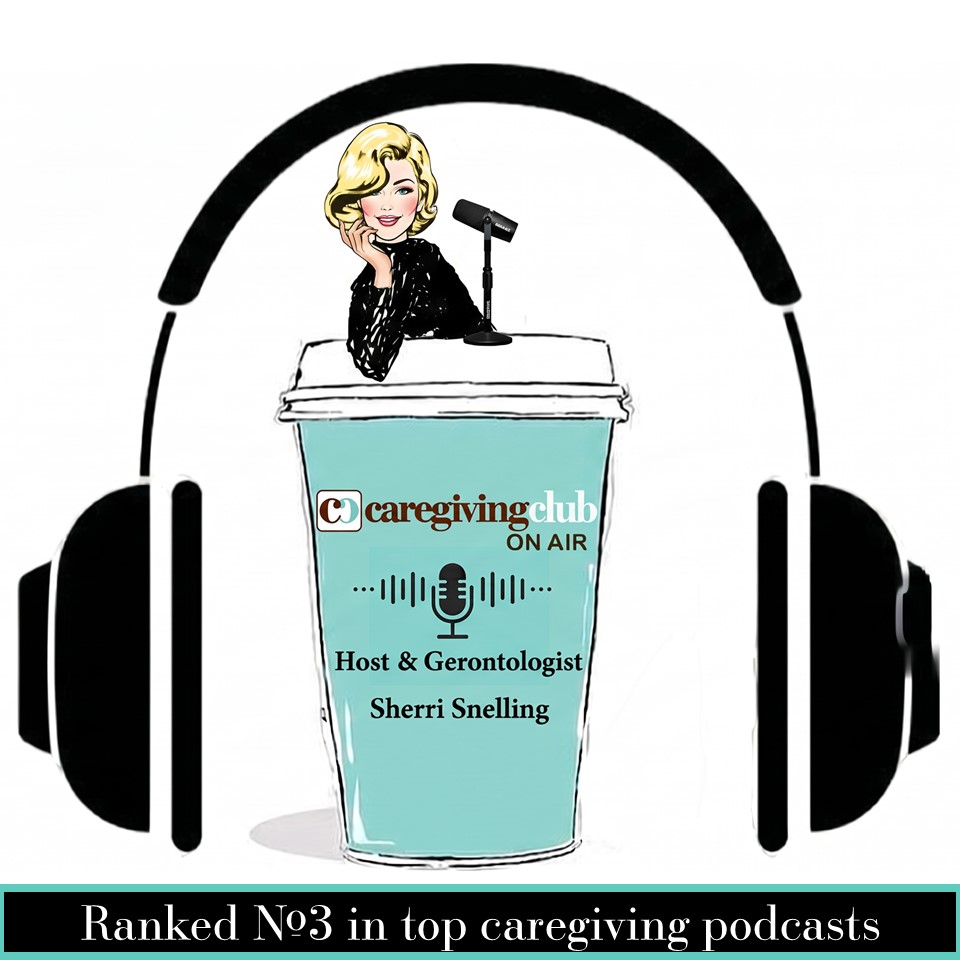
As the Caregiving Club On Air enters its 6th season, it has hit a significant milestone, reaching the #3 spot among the top 80 caregiving podcasts, according to Feedspot. This ranking reflects a growing public appetite for actionable, high-quality information on the complexities of aging, disability, and support.
To accommodate this demand, the organization is pivoting its news distribution strategy. Starting in late January, the team will launch the "Caregiving Club News" program on YouTube. This shift is designed to make complex research, legislative updates, and cultural trends more accessible to the working caregiver who consumes information on the go.
Actionable Resources for Caregivers and Employers
For those seeking to navigate these systems today, the following resources remain essential:

- Wellthy: A comprehensive platform for care navigation and support.
- The Elder Care Locator (eldercare.gov): A public service of the U.S. Administration on Aging that helps families find local resources, from transportation to home-delivered meals.
- "Self-Care in 7 Minutes": A video series designed to provide rapid, effective wellness techniques for those with limited time.
- "Me Time Monday": A book and workshop series by Sherri Snelling that focuses on the critical, often neglected aspect of caregiver self-care and identity preservation.
Conclusion: A New Era of Care
The conversation between Sherri Snelling and Lindsay Jurist-Rosner underscores a fundamental truth: the "Work-Family" divide is a relic of a bygone era. In today’s economy, the health of the business is inextricably linked to the health of the family.
As we move through October’s Work-Family Month, the message to employers is clear: the most successful companies of the next decade will be those that treat caregiving not as a private burden to be hidden, but as a core component of human capital management. By investing in the navigation, mental health, and financial stability of the caregiver, employers are not just doing the right thing—they are ensuring the long-term sustainability of their workforce.
For more information on the topics discussed in this article, listeners are encouraged to subscribe to the Caregiving Club YouTube Channel and check the Caregiving Club website for ongoing updates, research summaries, and expert interviews.