




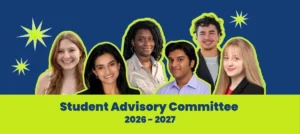

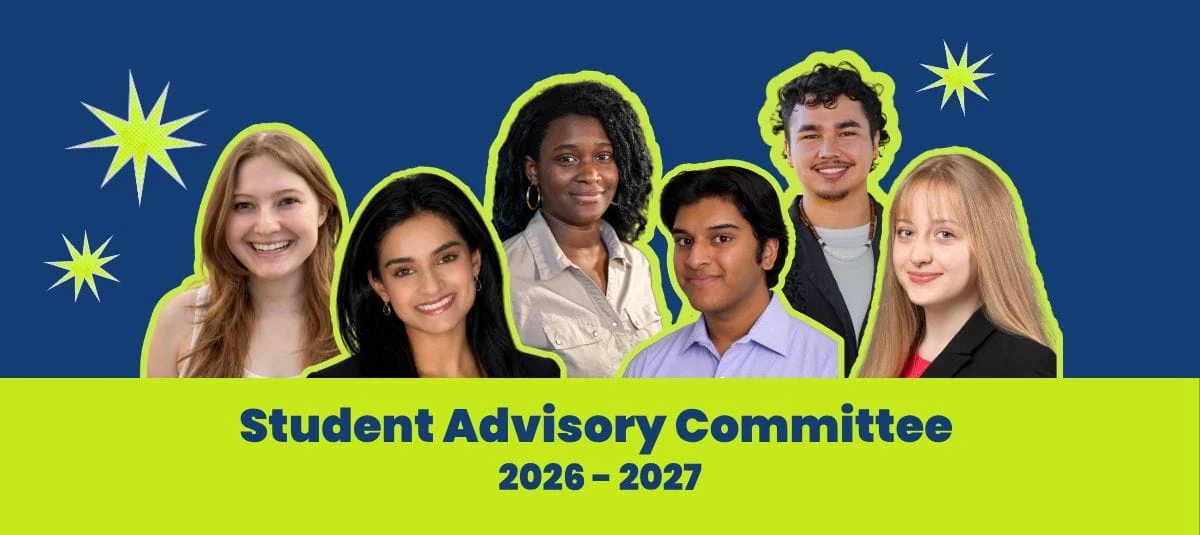
WASHINGTON, D.C. — In an era where the mental health of youth and young adults has become a cornerstone of public health discourse, Active Minds, the nation’s premier nonprofit organization supporting mental health awareness and education for students, has officially announced its 2026-2027 Student Advisory Committee (SAC). This cohort of young leaders represents the vanguard of Gen Z activism, tasked with bridging the gap between national mental health policy and the lived experiences of students on the ground.
The SAC serves as the primary student voice for Active Minds, providing critical insights to the national staff on a wide array of initiatives, from program planning and chapter management to the execution of the organization’s high-profile National Conference. As the mental health landscape continues to evolve under the pressures of social, economic, and academic stressors, these student leaders are positioned to shape the future of peer-to-peer advocacy across the country.
Main Facts: The Architecture of Student-Led Advocacy
The Active Minds Student Advisory Committee is not merely a figurehead body; it is a functional advisory board that integrates student perspectives into the highest levels of organizational decision-making. The 2026-2027 cohort consists of individuals who have demonstrated exceptional leadership in their respective campus chapters and communities. These leaders are chosen for their ability to communicate complex mental health issues through media forums, advise on community building, and drive the promotion of national programs.

This year’s committee is characterized by its multidisciplinary approach. The members are not only students of psychology and social work but also innovators in computer science, public health, molecular biology, and global policy. This diversity of academic background reflects a growing trend in the mental health movement: the recognition that mental wellness is inextricably linked to every facet of society, from artificial intelligence and medical practice to legislative reform and reproductive justice.
The SAC’s mandate for the 2026-2027 term includes:
- National Representation: Serving as spokespeople in national media outlets to destigmatize mental health struggles.
- Strategic Advising: Assisting the Active Minds national staff in developing engagement strategies that resonate with a diverse Gen Z demographic.
- Chapter Management: Providing guidance to over 600 Active Minds chapters worldwide to ensure local efforts are sustainable and impactful.
- Event Planning: Playing a pivotal role in the curation of the Active Minds National Conference, an annual gathering of thousands of mental health advocates.
Chronology: The Evolution of the SAC and the 2026-2027 Selection
The Student Advisory Committee was established to ensure that Active Minds remained a "youth-powered" organization. Over the last decade, the committee has evolved from a small feedback group into a sophisticated leadership development program. The selection process for the 2026-2027 cohort began in late 2025, involving a rigorous review of candidates who have shown long-term commitment to the Active Minds mission.
The timeline for the current cohort’s tenure is strategically aligned with several major milestones in the mental health calendar. Throughout late 2026, the SAC will focus on "Back to School" wellness initiatives, addressing the "transition anxiety" that many students face. Moving into 2027, the committee will spearhead the "V-A-R" (Validate, Appreciate, Refer) campaign, a signature Active Minds program designed to teach everyday people how to have supportive conversations.

The 2026-2027 term will culminate in the National Conference, where the SAC will present their year-long findings on student engagement and help set the agenda for the following academic cycle.
Profiles in Leadership: Meet the 2026-2027 Cohort
The strength of the SAC lies in the individual expertise of its members. Each student brings a unique lens to the committee, ensuring that the national strategy is inclusive of various identities and academic disciplines.
Kailani Goggans (Salem College)
Kailani Goggans, a student of Psychological Science and Public Health at Salem College, exemplifies the intersection of clinical interest and grassroots activism. As President of Active Minds at Salem College, as well as leader of Students for Reproductive Freedom and Siblings Demand Justice, Goggans understands the systemic nature of wellness. Her goal of obtaining an MD/MPH is rooted in a desire to bridge the gap between medical practice and community policy, ensuring that clinical care is informed by social advocacy.
Dionisio (Dio) Taitano-Samora (Colorado State University Pueblo)
Dionisio Taitano-Samora brings a vital perspective as a first-generation Chicano-CHamoru student. Majoring in Public Health with minors in Spanish and Leadership Studies, his work focuses on educational equity. By serving on the Youth Advisory Board for "Young Invincibles," Taitano-Samora has already influenced Colorado state policy regarding healthcare access and workforce development. His future research into STEM education’s connection to public health aims to dismantle barriers for students of color.

Rhea Makkuni (Johns Hopkins University)
Representing the technological frontier of mental health, Rhea Makkuni is a Molecular and Cellular Biology and Computer Science student at Johns Hopkins. Her work in the PALS Lab at the JHU School of Medicine involves applying artificial intelligence to mood disorder research. As Chapter President, Makkuni translates these high-level scientific insights into community-based efforts, addressing fragmented care systems and the stigma that prevents students from utilizing available resources.
Amy Senkerik (Arizona State University)
Amy Senkerik, a student at Barrett, the Honors College at ASU, is a veteran of the Active Minds Mental Health Advocacy Institute. Her background is remarkably diverse, spanning global health research as a Fulbright Scholar to front-line service as an Emergency Medical Technician. Her involvement in cancer-neuroscience research at the Mayo Clinic and Cedars-Sinai adds a rigorous clinical dimension to her advocacy, while her experience speaking at Congressional Briefings highlights her capability in the policy arena.
Arjun Nair (Virginia Commonwealth University)
Arjun Nair is a member of the Guaranteed Medical Admissions Program at VCU, focusing on Biology. His leadership is centered on the compassionate care of marginalized populations, specifically those with substance use disorders and those needing HIV prevention services. By serving on the Student Advisory Board of the American Academy of HIV Medicine, Nair brings a specialized focus on behavioral health and its intersection with infectious disease care to the SAC.
Ivanna Sintes-Klein (University of Texas at Austin)
Ivanna Sintes-Klein is a powerhouse of organizational founding and peer support. At UT Austin, she founded the Teddy Bear Hospital USA chapter, using play to alleviate children’s medical anxiety. Her history at Texas State University, where she founded "Bobcat C.A.R.E.," demonstrates her ability to build mental health infrastructure from the ground up. As a Longhorn SHARE Support Specialist, she is trained in peer-to-peer mental health first aid, a cornerstone of the Active Minds model.

Supporting Data: The Urgent Need for Student Voices
The appointment of the 2026-2027 SAC comes at a time when data suggests a critical need for peer-led intervention. According to recent surveys by the Healthy Minds Network, nearly 40% of college students report experiencing significant depression, yet a large percentage still cite "stigma" or "not knowing where to go" as barriers to seeking help.
Active Minds’ internal data suggests that students are significantly more likely to seek help when encouraged by a peer than by a faculty member or administrator. This "peer-to-peer" model is the engine of the SAC’s work. By empowering leaders like those in the 2026-2027 cohort, Active Minds leverages the social networks of Gen Z to create a "culture of caring" that traditional institutional frameworks often struggle to replicate.
Furthermore, the diversity of this year’s cohort addresses a documented gap in mental health equity. Data from the National Alliance on Mental Illness (NAMI) shows that students of color and first-generation students often face unique stressors and have lower rates of service utilization. The inclusion of leaders like Taitano-Samora and Goggans ensures that Active Minds’ national programming is culturally competent and inclusive of these lived experiences.
Official Responses: A Vision for the Future
While official statements from Active Minds national leadership emphasize the "integral role" of the SAC, the sentiment among the students themselves is one of urgent responsibility.

"The SAC is the heartbeat of our national strategy," says an Active Minds representative. "We don’t just listen to these students; we follow their lead. They are the ones on campus, in the labs, and in the community. They know what Gen Z needs because they are Gen Z."
In his personal mission statement, Arjun Nair noted that he hopes to "strengthen connections among campus chapters and empower youth to become mental health champions." This sentiment is echoed by Ivanna Sintes-Klein, who emphasizes the importance of "creating spaces where students feel comfortable asking for help."
Implications: Moving Beyond Awareness
The selection of the 2026-2027 Student Advisory Committee signals a shift in the mental health movement from "awareness" to "action." While the early years of mental health advocacy focused on simply starting the conversation, this cohort is focused on systemic change.
The implications of their work are three-fold:

- Policy Integration: With members like Senkerik and Taitano-Samora who have experience in legislative briefing and policy boards, the SAC will likely push for more robust mental health protections at both the state and federal levels.
- Technological Advancement: The presence of researchers like Makkuni suggests that Active Minds will increasingly explore how digital tools and AI can be used to support mental health without sacrificing the human element of peer support.
- Holistic Health: By including students with interests in reproductive justice, HIV prevention, and pediatric anxiety, the SAC is redefining mental health not as an isolated issue, but as a component of total health and social justice.
As the 2026-2027 academic year approaches, the eyes of the mental health community will be on these six leaders. Their ability to mobilize thousands of their peers will be a determining factor in whether the current mental health crisis sees a turning point toward recovery and resilience.
For those looking to engage with their local representatives or learn more about the committee’s initiatives, Active Minds encourages outreach via their national chapter office. The work of the SAC is a reminder that while the challenges facing today’s students are significant, the leadership rising to meet them is equally formidable.