










As the global population ages, the intersection of financial stability and long-term care has become a critical focal point for millions of families. October, designated as Financial Planning and Long-Term Care Planning Month, provides the perfect backdrop to address these complex challenges. In the latest installment of the Caregiving Club On Air podcast (Season 6, Episode 75), host and corporate gerontologist Sherri Snelling sat down with industry expert Ted Butler, the host of the Voice of Reverse Mortgage podcast from Mutual of Omaha, to demystify one of the most misunderstood financial tools available to older adults.
The Evolution of the Reverse Mortgage
For decades, the reverse mortgage was viewed with skepticism, often misunderstood as a "last resort" financial product. However, as economic landscapes have shifted and the demographics of aging have evolved, this perspective is changing.
During the podcast, Ted Butler explained that the reverse mortgage has transitioned from a niche product into a strategic component of retirement planning. A reverse mortgage allows homeowners aged 62 and older to convert a portion of their home equity into tax-free cash, without the burden of monthly mortgage payments. While the loan must eventually be repaid—typically when the homeowner moves, sells the home, or passes away—the flexibility it provides has become a lifeline for many seniors, particularly solo agers and women over 70 who often face unique financial pressures in their later years.

The Demographic Shift: Why Now?
The rise in the popularity of reverse mortgages is not accidental. Several factors are driving this trend:
- The "Solo Ager" Phenomenon: A growing number of older adults are aging without a spouse or children. These individuals often lack the traditional informal caregiving support network, necessitating higher liquid assets to pay for professional in-home care or facility-based support.
- Increased Life Expectancy: With people living longer, the risk of "outliving one’s money" has become a primary concern. Home equity represents the largest asset for most Americans over 65; tapping into this "frozen" wealth is increasingly seen as a rational move.
- The Cost of Care: Long-term care services—whether it be assisted living or in-home nursing—are prohibitively expensive. Many families find themselves caught in the "Sandwich Generation" dilemma, where they are financially supporting both children and aging parents. A reverse mortgage can provide the necessary capital to cover health-related costs without liquidating other retirement accounts.
Chronology of Financial Planning Awareness
The conversation between Snelling and Butler underscored that financial planning is not a one-time event but a continuous process. Throughout the month of October, experts emphasize a chronological approach to aging:
- Early Retirement (Ages 60–65): The window for establishing a baseline for home equity and discussing housing stability with adult children.
- Mid-Retirement (Ages 65–75): A critical period where, according to Butler, many families should evaluate their "Caregiving Contingency Plan." This includes assessing whether the current home is conducive to aging-in-place and whether supplemental income is needed for future care.
- Late Retirement (Age 75+): The period where liquidity becomes paramount. This is often when the benefits of a reverse mortgage, such as a line of credit that grows over time, provide the greatest security for unexpected medical expenses.
Supporting Data: Why the "Caregiving Club" Matters
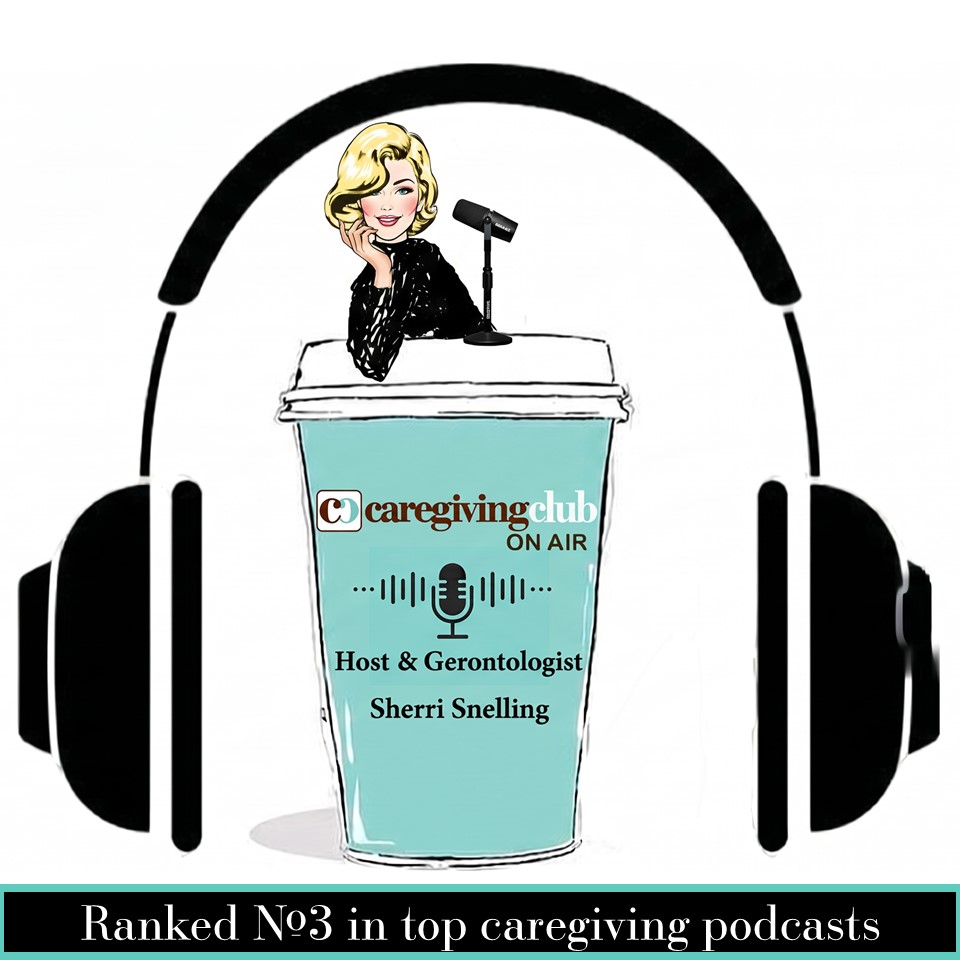
The Caregiving Club On Air podcast has recently been recognized as a top-tier resource, hitting the #3 spot on Feedspot’s ranking of the top 80 caregiving podcasts. This milestone reflects the growing hunger for high-quality, actionable information in the caregiving space.

As Sherri Snelling noted, the data is clear: professional caregiving is becoming a workforce crisis. With more employees leaving the workforce to care for aging relatives, the financial impact on families is compounding. By integrating financial tools like reverse mortgages into the planning conversation, families can reduce the emotional and financial strain that often leads to caregiver burnout.
Expert Perspectives: Official Responses and Industry Guidance
Ted Butler’s expertise, backed by his work with Mutual of Omaha, offers a pragmatic look at the product. He emphasizes that while a reverse mortgage is a powerful tool, it is not a "magic bullet." Potential borrowers must consider:
- Financial Literacy: Understanding interest accrual and how the loan impacts estate planning is vital.
- Communication: Butler stressed the importance of involving heirs in the decision-making process. Transparency prevents friction later, ensuring that all family members understand how the home equity is being utilized.
- Professional Counseling: Every potential reverse mortgage borrower is required to undergo counseling through an FHA-approved agency. This acts as a protective barrier, ensuring the borrower understands the obligations and alternatives.
Implications for the Future of Caregiving
The implications of this episode are far-reaching. As the Caregiving Club expands its reach—moving its popular Caregiver Wellness News and Well Home Design segments to a dedicated YouTube channel—the mission remains consistent: to provide a holistic view of the caregiving experience.
The integration of financial planning, such as the strategic use of home equity, into the broader dialogue of "healthy aging" represents a shift toward more proactive, rather than reactive, caregiving. For the millions of Americans navigating this landscape, the advice from experts like Butler and Snelling serves as a roadmap to maintain independence and dignity, regardless of the challenges posed by aging.
Resources for Further Planning
For those interested in diving deeper into these topics, the following resources are recommended:
- The Voice of Reverse Mortgage: Mutual of Omaha’s official platform for education on home equity products.
- The Elder Care Locator: A public service of the U.S. Administration on Aging, accessible at eldercare.gov or by calling 1-800-677-1116. This is an essential tool for finding local support services.
- Caregiving Club YouTube Channel: A hub for video-based education on wellness, home design, and workplace advocacy.
- Self-Care in 7 Minutes: A video series designed for time-strapped caregivers to prioritize their own health.
- "Me Time Monday" by Sherri Snelling: A guide focused on the mental and emotional well-being of the caregiver, highlighting that one cannot pour from an empty cup.
Conclusion
As we look toward the future of long-term care, the conversation is shifting from "What will happen to me?" to "How can I prepare for my future?" By leveraging financial education and tools like reverse mortgages, older adults and their families can navigate the complexities of aging with greater confidence. Whether it is through listening to podcasts, subscribing to expert channels, or seeking professional counseling, the key to successful caregiving lies in preparation, transparency, and a commitment to continuous learning.

For more information on the topics discussed, please visit the Caregiving Club’s official website and subscribe to their YouTube channel for bi-weekly updates on caregiving news, research, and resource development.