








For many individuals living with Ehlers-Danlos Syndrome (EDS), the diagnostic journey is a marathon, not a sprint. Patients often spend years—sometimes decades—navigating a maze of specialists, misdiagnoses, and physical exhaustion before finally receiving a name for their condition. However, as many in the community have discovered, receiving an official diagnosis is not the finish line; it is merely the starting point.
Once the initial shock or relief of the diagnosis fades, the reality of life with a systemic connective tissue disorder sets in. Patients are immediately faced with the daunting task of trialing, failing, and fine-tuning an array of management strategies. To shed light on this complex transition, we surveyed over 100 people living with EDS to answer a fundamental question: "What is the one thing that has helped you most since your diagnosis?" The results offer a roadmap for those feeling adrift in the early stages of their journey.
The Chronology of Management: From Diagnosis to Daily Living
The journey for an EDS patient typically unfolds in distinct phases. Initially, there is the Diagnostic Phase, defined by advocacy and the struggle to be heard by medical professionals. This is often followed by the Integration Phase, where the patient must reconcile their clinical label with their daily reality.
The survey responses suggest that the most successful patients are those who move from passive care—relying entirely on external medical guidance—to active, self-directed management. This transition involves a chronological shift:
- Validation: Seeking community and psychological acceptance to process the diagnosis.
- Specialization: Identifying a "medical home" or a core team of providers who understand hypermobility.
- Stabilization: Implementing physical therapies and mobility aids to protect joints.
- Optimization: Utilizing targeted medications, supplements, and lifestyle modifications to manage systemic flares.
Supporting Data: The Hierarchy of Helpful Interventions
When we look at the data, a clear hierarchy emerges regarding what provides the most tangible relief. While individual needs vary based on the specific type of EDS and comorbidities, the following table ranks the most frequently cited tools and approaches.
| Category | Primary Focus |
|---|---|
| Community Support | Peer-led groups, shared experiences, "Zebras" support network. |
| Specialized Care | EDS-literate physicians, POTS/MCAS specialists. |
| Physical Therapy | Hypermobility-aware PT, neuro-based, pelvic floor focus. |
| Mobility Aids | Custom bracing, wheelchairs, power-assist devices. |
| Compression | Full-body garments, abdominal wraps, SI belts. |
| Pharmacology | Low-dose naltrexone (LDN), MCAS stabilizers. |
| Home Management | Heating pads, K-tape, pacing, HR monitoring. |
Analysis: Key Pillars of Symptom Management
1. The Power of the "Zebra" Community
The most frequently mentioned factor for success was community connection. For patients living in relative isolation—or those whose primary care physicians remain skeptical—the EDS community provides an essential, albeit anecdotal, database of knowledge. Whether through global online forums or local support groups, finding "Zebras" (a term often used to identify EDS patients based on the medical school mantra, "When you hear hoofbeats, think horses, not zebras") serves two functions: it provides practical tips that clinical literature often misses, and it mitigates the profound loneliness associated with chronic, invisible illness.
2. The Search for the "Unicorn" Provider
The data indicates that while finding an EDS specialist is the "gold standard," it is rarely the reality. Instead, respondents emphasized the importance of finding doctors who possess intellectual humility. The most effective healthcare relationships reported were those where the provider, while perhaps not an expert in connective tissue disorders, remained open to patient-led research and collaborated on treatment plans. Patients noted that having a doctor willing to learn about comorbid conditions like Mast Cell Activation Syndrome (MCAS) or Dysautonomia (POTS) was more impactful than finding a top-tier surgeon who lacked a holistic understanding of systemic hypermobility.
3. Redefining Physical Therapy
One of the most nuanced findings involves the role of physical therapy. For the uninitiated, traditional graded exercise can be counterproductive, even dangerous, for an EDS patient. Respondents noted that generic weightlifting often led to subluxations or flare-ups. Instead, successful outcomes were tied to practitioners who understood proprioceptive training, isometric strengthening, and neuro-based physical therapy. The shift from "pushing through the pain" to "listening to the body’s signals" was a recurring theme in reports of long-term stability.
4. Overcoming the Stigma of Mobility Aids
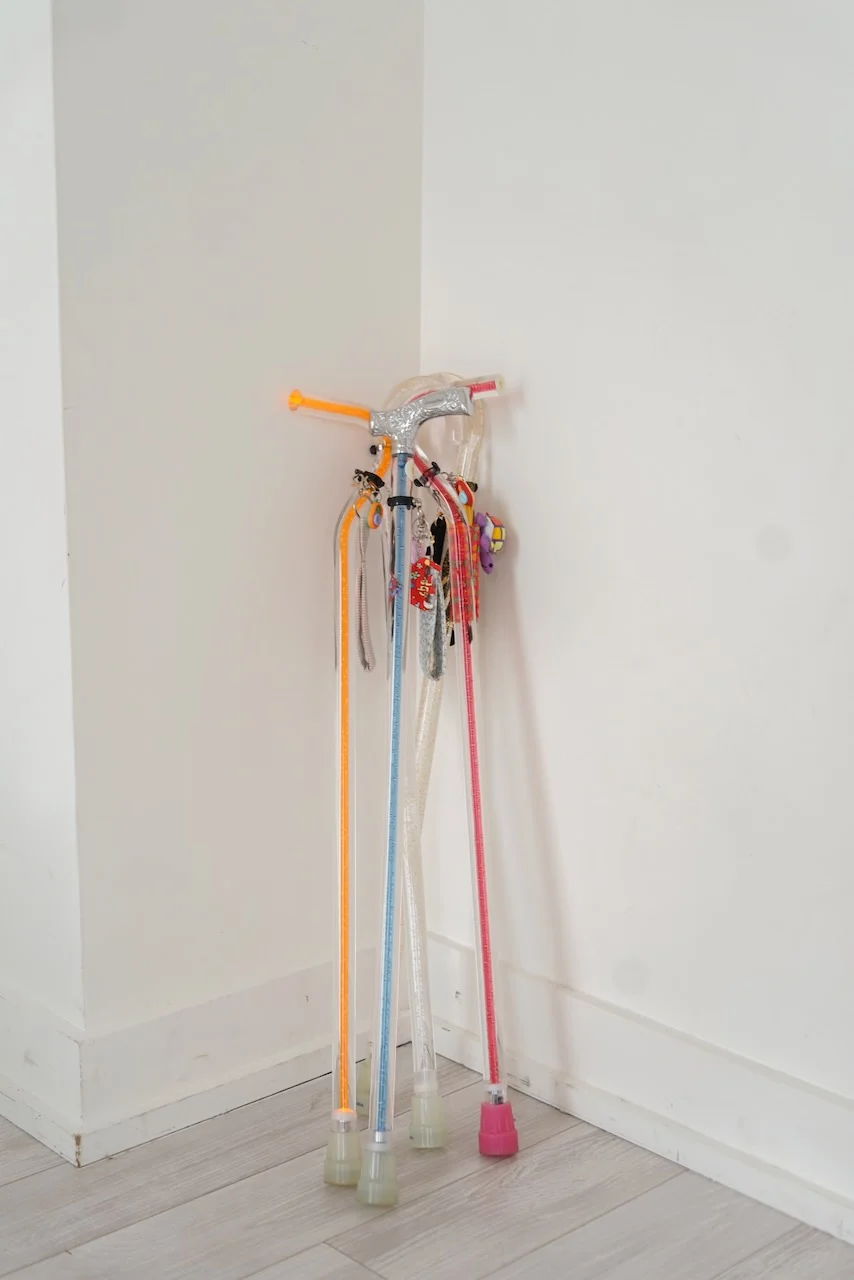
There is a profound psychological hurdle that many patients must clear: the shame associated with mobility aids. Whether it is a cane, a custom brace, or a wheelchair, these devices are often viewed as symbols of "giving up." However, the survey data paints a different picture. For those who adopted them, these tools were described as engines of independence. By reducing the energy expenditure required to walk or hold a joint in place, these aids allowed patients to participate in social and professional life with significantly less pain.
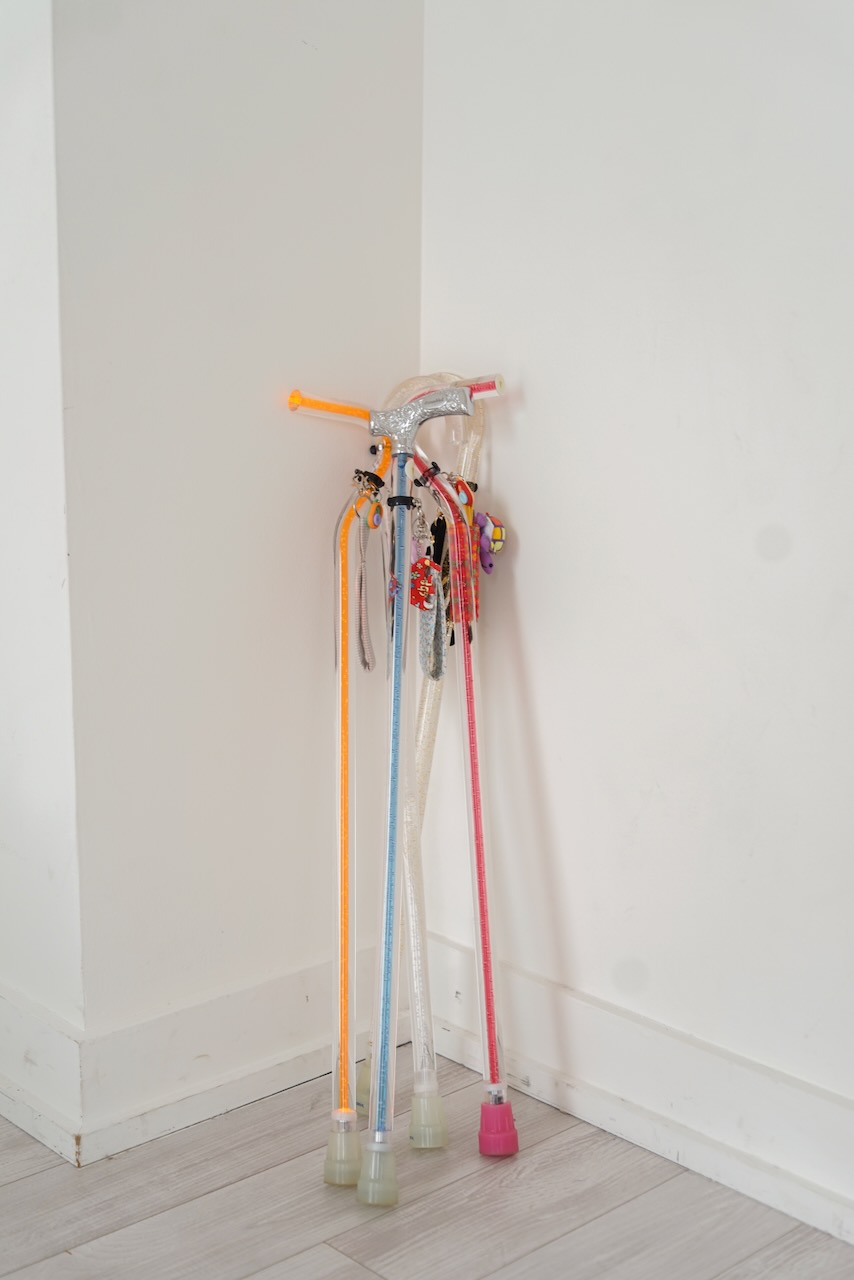
5. The Pharmacological Landscape
While medications were ranked lower than lifestyle and support systems, Low-Dose Naltrexone (LDN) stood out as a recurring point of interest. Used off-label for its anti-inflammatory properties and its potential to quiet the nervous system, it was frequently cited as a tool that provided a "baseline" of relief. Additionally, patients highlighted the importance of treating secondary conditions—such as MCAS—to prevent the systemic inflammation that often exacerbates joint instability.
Implications for Future Care
The findings from this survey have significant implications for how we approach chronic illness management.
First, the medical model must shift toward patient-centered advocacy. When the majority of patients state that they learn more from peers than from clinical appointments, it signals a gap in medical education. There is a pressing need for more standardized, accessible information for primary care providers so that the burden of education does not fall entirely on the patient.
Second, the integration of mental health and physical management is non-negotiable. The theme of "validation" appeared throughout the responses. The psychological toll of being told that one is "too sensitive" or that their pain is "all in their head" is a significant barrier to effective treatment. Providing patients with the tools to accept their diagnosis and the necessity of their aids is just as important as the physical therapy itself.
Third, the role of technology is expanding. From using Apple Watches to monitor heart rate variability (vital for those with dysautonomia) to utilizing specialized apps for tracking symptom flares, technology is empowering patients to become data-driven managers of their own health.
Conclusion: A Living Process
The journey of living with Ehlers-Danlos syndrome is dynamic. What helps a patient in their first year post-diagnosis may evolve as their body changes or as new research emerges. The consensus from our respondents is clear: there is no "one size fits all" cure. Instead, management is an iterative, experimental process.
For those recently diagnosed, the takeaway is one of hope, tempered by reality. You are not "crazy," your pain is legitimate, and you do not have to navigate this alone. By building a team of supportive providers, finding a community that understands your lived experience, and embracing the tools that offer you autonomy, you can move from a state of reactive survival to a more stable, empowered way of life.
Disclaimer: This article reflects the personal experiences and collective insights of individuals living with Ehlers-Danlos syndrome. It is for informational purposes only and does not constitute medical advice. Treatment plans for EDS are highly individual; please consult with a qualified healthcare professional, ideally one with experience in connective tissue disorders, before initiating any new therapies, medications, or lifestyle changes.
By Tayler Goectau, Clinical Research Coordinator and Disability Advocate. October 2026.