









By Medical News Desk
In partnership with WinkNews.com
For millions of Americans, the simple act of taking a walk, grocery shopping, or caring for a loved one has become a daunting physical challenge. Spinal stenosis, a degenerative condition characterized by the narrowing of the spinal canal, acts as a silent thief of independence. However, for residents of Southwest Florida, a sophisticated, minimally invasive procedure is offering a new lease on life, effectively turning the tide against chronic back and leg pain.
Main Facts: The Burden of Spinal Stenosis
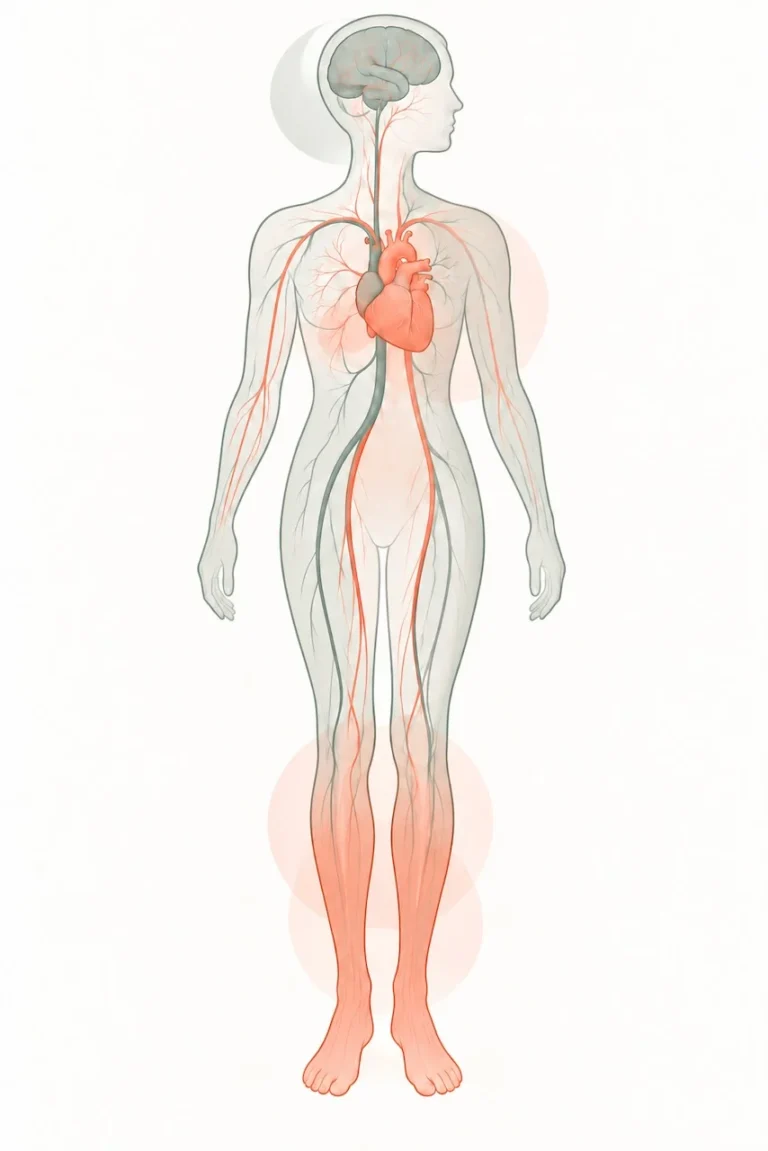
Spinal stenosis is a prevalent condition that occurs when the spaces within the spine narrow, placing undue pressure on the spinal cord and the nerves that travel through the column. This compression often manifests as radiating pain, numbness, muscle weakness, and a profound difficulty in maintaining an upright posture or walking for extended periods.
According to data from the American Academy of Orthopedic Surgeons (AAOS), approximately 30 million Americans are currently living with spinal stenosis. While the condition can affect individuals of any age, it is disproportionately prevalent among the "Baby Boomer" generation, as years of wear and tear on the vertebrae and discs culminate in structural changes.
In Southwest Florida, patients like Bernard Uhlmann and Karen Nagel have experienced firsthand the debilitating nature of this condition. For Uhlmann, the experience was defined by "really severe pain in my legs," which acted as a physical barrier to basic mobility. Nagel echoed these sentiments, describing the psychological and physical exhaustion of living with chronic discomfort: "It’s really hard to drag yourself around when you can’t do anything."
The primary breakthrough offering relief is the Superion Indirect Decompression System, manufactured by Vertiflex. This small, implantable device is designed to act as a spacer, effectively opening the spinal canal to alleviate nerve impingement without the need for invasive, open-back surgery.
Chronology: From FDA Approval to Regional Adoption
The medical journey toward this treatment option reached a critical milestone in 2015, when the U.S. Food and Drug Administration (FDA) granted approval for the Superion device. Designed as a conservative alternative to traditional laminectomy—a more extensive surgery involving the removal of bone or ligament—the Superion system offered a middle ground for patients who had failed to respond to physical therapy or epidural injections but were not yet candidates for major spinal fusion.
By 2016, the technology arrived in Port Charlotte, Florida, where Dr. Robert Ball began integrating the procedure into his practice. Over the past several years, the procedure has evolved from a novel intervention into a standard of care for specific patient populations in the region.
The timeline of a patient’s experience with the Superion system is notably accelerated compared to traditional spinal interventions:
- Evaluation: A thorough diagnostic process to confirm that symptoms are strictly caused by nerve compression related to stenosis.
- The Procedure: Utilizing a minimally invasive approach, the device is inserted through a small incision. The entire process typically lasts about an hour.
- Recovery: Because the procedure avoids major tissue disruption, the majority of patients are able to walk out of the medical office on the very same day.
- Integration: Over the following weeks, the device maintains the necessary space within the spinal column, allowing for long-term relief of symptoms.
Supporting Data: Why the Procedure Works
The mechanism of the Superion device is rooted in "indirect decompression." In a patient with lumbar spinal stenosis, the spinal canal becomes congested. When the patient stands or walks, the spine is further compressed, exacerbating the "pinching" of the nerves.
The Superion implant acts as an extension blocker. By keeping the vertebrae in a slightly extended position, the device prevents the ligaments from buckling into the spinal canal. Clinical data associated with the Vertiflex system has demonstrated significant improvement in patient-reported outcomes, including a marked reduction in leg pain and an increased capacity for walking distances that were previously impossible.
Dr. Robert Ball emphasizes the simplicity and efficacy of the technique. "It spreads things out so your nerves don’t get pinched," Dr. Ball explains. The clinical data suggests that by alleviating the source of the compression, the body’s inflammatory response is reduced, and the patient’s functional quality of life is restored.
Furthermore, the procedure is designed with flexibility in mind. Unlike fusion surgeries, which permanently alter the anatomy of the spine, the Superion implant is completely reversible. This provides a safety net for patients who might be hesitant about permanent, irreversible surgical changes to their skeletal structure.
Official Responses and Medical Perspectives
When evaluating the viability of any surgical intervention, physicians and patients alike must weigh the potential for recovery against the inherent risks of the procedure. Dr. Ball maintains a transparent approach regarding the risks associated with the Superion procedure.
"Any time there is an incision or injection made, there’s the risk of infection or bleeding," Dr. Ball states. However, because the procedure is minimally invasive and does not involve the aggressive removal of bone, the complication rate is significantly lower than that of traditional open-back surgical decompression.
For patients, the clinical decision often hinges on the trade-off between the brief recovery period and the long-term potential for independence. Karen Nagel, who sought the procedure while serving as the primary caregiver for her ailing husband, noted that the speed of the recovery was the deciding factor. "My husband is very sick, and I have to take care of him, so I had to get right back in the swing of things," she remarked.
Bernard Uhlmann, reflecting on his own positive experience, expressed a high degree of confidence in the procedure’s results. "I would do it again in a quick minute, because the results are very good," he stated. This anecdotal success is backed by the fact that the procedure is widely accepted by insurance carriers and is covered under Medicare, making it an accessible option for the aging demographic that characterizes much of Southwest Florida’s population.
Implications: The Future of Spinal Care in Florida
The presence of this specialized care in Port Charlotte holds significant implications for the local healthcare landscape. Vertiflex has identified Port Charlotte as the exclusive hub for this specific procedure in Southwest Florida, centralizing a high-demand service for a region with a high concentration of elderly residents.
Expanding Access to Mobility
The broader implication of this technology is the shift toward "outpatient-first" spinal care. As medicine continues to trend away from lengthy hospital stays and toward minimally invasive interventions, procedures like the Superion implant serve as a blueprint for the future. By reducing the reliance on general anesthesia and prolonged hospital recovery, healthcare providers can lower costs while simultaneously improving patient outcomes.
The Impact on Quality of Life
For the individual, the restoration of mobility is not merely a physical improvement—it is a restoration of agency. Chronic pain is a major contributor to depression and social isolation among seniors. When a patient regains the ability to walk to the mailbox, participate in family gatherings, or care for a loved one, the secondary benefits to mental health are profound.
A Call for Continued Awareness
Despite the success stories, many residents in the region remain unaware that a minimally invasive solution exists for their chronic pain. As medical practices in the area continue to promote education regarding spinal stenosis, the hope is that more patients will seek evaluation earlier in the progression of their condition. Early intervention not only prevents the physical decline associated with a sedentary lifestyle but also ensures that patients can remain active and independent for as long as possible.
In conclusion, the Superion procedure represents a convergence of engineering and medicine that directly addresses the needs of a vulnerable population. By bridging the gap between conservative physical therapy and aggressive surgical fusion, the medical community in Port Charlotte is ensuring that residents of Southwest Florida do not have to settle for a life defined by pain. Through continued investment in these technologies and a commitment to patient-centered care, the burden of spinal stenosis is being lifted, one patient at a time.