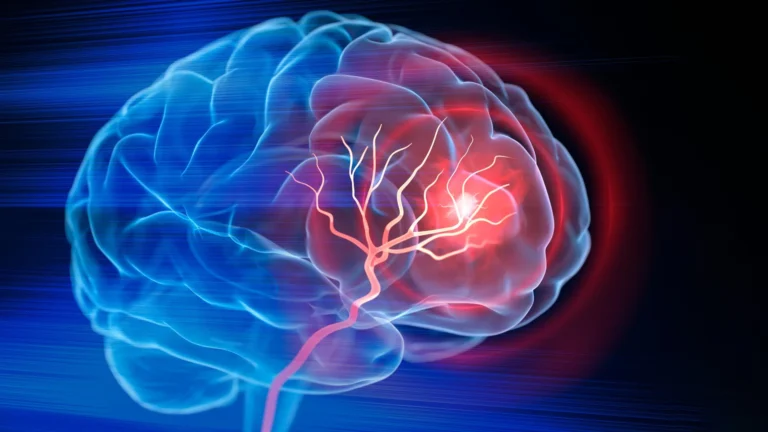






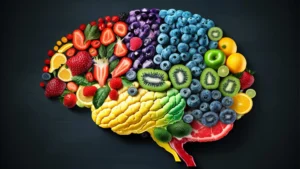


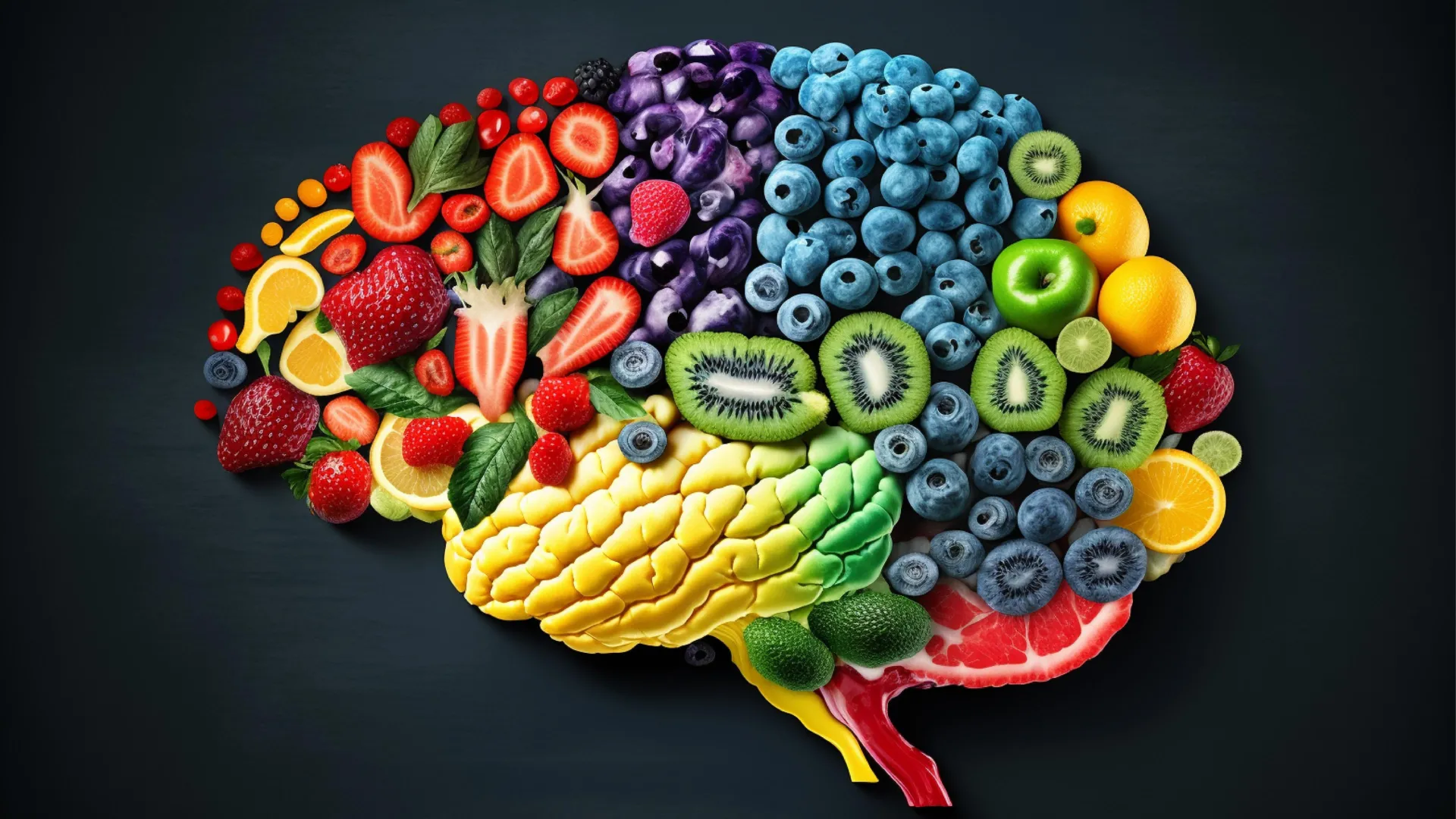
In the ongoing quest to stave off the cognitive decline associated with aging, scientists have long looked to the plate for answers. A compelling new study published in the Journal of Neurology, Neurosurgery & Psychiatry suggests that a specific dietary regimen—the MIND diet—may act as a biological buffer against the structural decay of the brain. By combining the heart-healthy principles of the Mediterranean diet with the blood-pressure-lowering strategies of the DASH (Dietary Approaches to Stop Hypertension) protocol, the MIND diet appears to offer a potent defense against the subtle, yet devastating, physical changes that occur in the brain over time.
Main Facts: The Protective Power of Nutrition
The research provides significant evidence that high adherence to the MIND diet is associated with the preservation of grey matter—the brain tissue responsible for essential functions such as memory, learning, decision-making, and information processing. Furthermore, the study links this dietary pattern to a reduction in the enlargement of the brain’s ventricles. Ventricles are the fluid-filled cavities within the brain; as neurodegeneration occurs and brain tissue shrinks, these spaces naturally expand. By curbing this expansion, the diet appears to help maintain the structural integrity of the organ itself.
The MIND diet (Mediterranean-DASH Intervention for Neurodegenerative Delay) is not a restrictive fad but a structured eating pattern. It prioritizes the consumption of:
- Green leafy vegetables and other vegetables
- Berries (notably linked to specific structural benefits)
- Whole grains, nuts, and beans
- Fish and poultry
- Olive oil
- Moderate wine consumption
Conversely, the regimen advises individuals to strictly limit their intake of butter, margarine, cheese, red meat, pastries, sweets, and fried fast foods. While the Mediterranean and DASH diets are well-established for cardiovascular health, the MIND diet was specifically engineered by researchers to focus on the unique nutritional needs of an aging brain.
Chronology: A Longitudinal Look at Brain Health
To reach these conclusions, researchers turned to the Framingham Heart Study Offspring cohort (FOS), a massive, multi-generational study that has provided invaluable insights into human health since the mid-20th century. The researchers tracked 1,647 participants, all of whom were middle-aged or older at the start of the study, with an average age of 60.
The study design was rigorous, spanning several decades of data collection:
- 1991–2001: Participants completed food frequency questionnaires (FFQs) to establish their baseline dietary habits.
- 1999–2019: Each participant underwent at least two MRI brain scans to monitor structural changes. Crucially, none of the participants showed evidence of stroke or dementia at the time of their first MRI, allowing researchers to study "normal" aging processes rather than existing pathology.
- Ongoing Monitoring: Health evaluations were conducted every four to eight years, providing a comprehensive view of how dietary scores correlated with physical changes in the brain over an average follow-up period of 12 years.
Supporting Data: Quantifying the "Brain Age" Gap
The statistical results of the study offer a concrete look at how food impacts biology. Across the group, the researchers observed standard age-related changes: a decrease in total brain volume, including grey and white matter, and an increase in cerebrospinal fluid and ventricular volumes. They also tracked "white matter hyperintensities"—bright spots on MRI scans that often serve as markers for small-vessel brain damage.
However, the divergence between those who followed the MIND diet and those who did not was striking:
- Grey Matter Preservation: For every 3-point increase in a participant’s MIND diet score, there was a measurable slowing of grey matter loss (0.279 cm³/year). This equates to roughly 20% less age-related decline, or the physiological equivalent of delaying brain aging by 2.5 years.
- Ventricular Stability: A 3-point rise in the diet score was also linked to a slower expansion of total ventricular volume, representing 8% less tissue loss and about one year of "younger" brain structure.
Interestingly, certain foods appeared to act as "heavy lifters." Berry consumption was strongly correlated with slower ventricular enlargement, while poultry intake was linked to both slower ventricular expansion and reduced grey matter loss. Conversely, high consumption of sweets and fried fast foods was associated with accelerated hippocampal atrophy—the part of the brain central to memory—and faster ventricular expansion.
Official Responses and Unexpected Findings
Science rarely offers a linear path, and this study produced a few "unconventional" results that researchers are still working to interpret. For example, while the MIND diet generally promotes whole grains, the researchers found that higher whole-grain intake in this specific cohort was associated with faster losses in grey matter and hippocampal volume.
Perhaps more surprisingly, cheese consumption appeared to have a protective effect, correlating with slower declines in grey matter and fewer white matter hyperintensities. These findings highlight the complexity of nutritional science, where individual components of a diet may interact with metabolism in ways that are not yet fully understood.
The authors of the study suggest a biological mechanism: "MIND-recommended foods rich in antioxidants, such as berries, and high-quality protein sources like poultry may reduce oxidative stress and mitigate neuronal damage. Conversely, fried fast foods, often high in unhealthy fats, trans fats, and advanced glycation end-products, may contribute to inflammation and vascular damage."
Implications for Public Health and Longevity
The implications of this study extend far beyond the laboratory. As the global population ages, the prevalence of neurodegenerative conditions like Alzheimer’s and Parkinson’s is expected to rise. If a dietary intervention can delay brain aging by even a few years, the public health impact could be monumental, potentially reducing the lifetime risk of cognitive impairment for millions.
The researchers noted that the benefits of the MIND diet appeared even more pronounced in older participants and those who maintained regular physical activity and a healthy body weight. This suggests that the diet should not be viewed in isolation, but rather as one pillar of a broader, brain-healthy lifestyle.
Limitations and Future Directions
Despite the robustness of the data, the researchers are careful to emphasize that this is an observational study. It cannot definitively prove a causal link—that is, it does not confirm that the diet caused the slower brain changes, only that the two are strongly associated. Furthermore, the reliance on food frequency questionnaires introduces the possibility of "recall bias," where participants may misremember their eating habits.
Additionally, the cohort was predominantly White, meaning the findings may not be generalizable across all ethnic and socioeconomic backgrounds. Future research will need to replicate these findings in more diverse populations and ideally through randomized controlled trials, which could provide more definitive evidence of causality.
Final Thoughts
While we cannot stop the clock, the research suggests we may be able to adjust the "metabolic speed" at which our brains age. By choosing berries over pastries and poultry over fried foods, we may be doing more than just managing our waistlines; we are potentially safeguarding the physical architecture of our minds. As the scientific community continues to explore the gut-brain axis and the role of systemic inflammation, the MIND diet stands out as a practical, accessible, and scientifically backed strategy for promoting lifelong cognitive vitality.
For the average adult, the message is clear: what you put on your plate today could very well determine the resilience of your brain in the decades to come.